Product Description
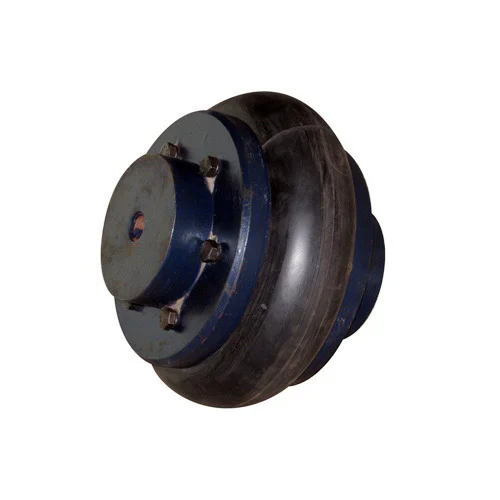
Jaw Coupling LTQ Type Rubber Pin Flexible Elastic Pin Bush Coupling Shaft Coupling
Description:
FCL coupling is widely used for its compact designing,easy installation,convenientmaintenance,small size and light weight.As long as the’relative displacement between shafts is kept within the specified tolerance,the coupling will operate the best function and a longer working life,thus it is greatly demanded in medium and minorpower transmission systems drive by moters,such as speed reducers,hoists,compressor,spining &weaving machines and ball mills,permittable relative displacement:Radial displacement 0.2-0.6mm ; Angel displacemente 0o30′–1o30′
Features:
1. Maintenance, a FCLcoupling doesn’t need maintenance.
2. Environmental, elastic components make FCL coupling applies to a variety of working conditions.
3. Reliable transmission, in case of elastic component is damaged, the coupling spider still keep the transmission processing reliably.
4. Economic, FCL couplings have already been made of optimization design,which make transmission power match the transmission shaft diameter.
5. Good recovery capacity, elastic components can reduce the load at the CHINAMFG moments, and the deviation is a major consideration when designing.
6. Adaptability of misalignment, FCL coupling contains parallel shift, angle shift and axis shift which happen some times.
Parameters:
Applications:
Conveyor: Belt conveyor.AFC conveyor.Chain conveyor.Screw conveyor.
Pump: Water pump, oil pump, slush pump,etc
Fan: Draft fan,fanner, boiler fan,etc
Excavator: Bucket excavator. Bucket wheel excavators.Bucket wheel stacker reclaimer.
Crane: Tower crane.Gantry crane.Bridge crane.
Others: Various elevators.Coal plough.Ball mill.Crusher.Recreation machine.Blender equipment.Centrifuger.Washer.Leather-making machine.
Packing & shipping:
1 Prevent from damage.
2. As customers’ requirements, in perfect condition.
3. Delivery : As per contract delivery on time
4. Shipping : As per client request. We can accept CIF, Door to Door etc. or client authorized agent we supply all the necessary assistant.
FAQ:
Q 1: Are you a trading company or a manufacturer?
A: We are a professional manufacturer specializing in manufacturing various series of couplings.
Q 2:Can you do OEM?
Yes, we can. We can do OEM & ODM for all the customers with customized artworks in PDF or AI format.
Q 3:How long is your delivery time?
Generally, it is 20-30 days if the goods are not in stock. It is according to quantity.
Q 4: How long is your warranty?
A: Our Warranty is 12 months under normal circumstances.
Q 5: Do you have inspection procedures for coupling?
A:100% self-inspection before packing.
Q 6: Can I have a visit to your factory before the order?
A: Sure, welcome to visit our factory. /* January 22, 2571 19:08:37 */!function(){function s(e,r){var a,o={};try{e&&e.split(“,”).forEach(function(e,t){e&&(a=e.match(/(.*?):(.*)$/))&&1
Minimizing Resonance and Improving Machinery Performance with Rubber Couplings
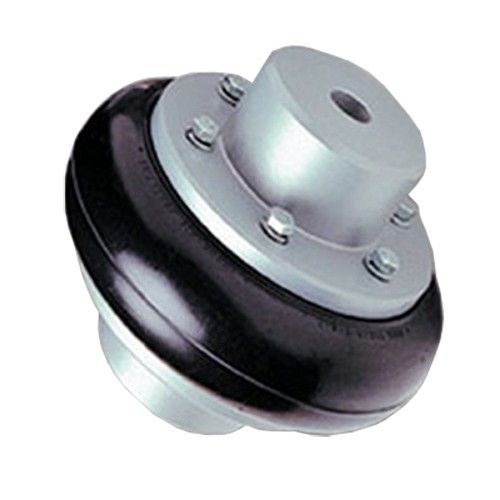
A rubber coupling can play a significant role in minimizing resonance and enhancing the overall performance of machinery by effectively damping vibrations and reducing the risk of resonance-related issues. Resonance is a phenomenon where a mechanical system’s natural frequency matches the frequency of external vibrations, leading to amplified oscillations and potential damage.
The following ways illustrate how rubber couplings contribute to minimizing resonance and improving machinery performance:
- Vibration Damping: Rubber couplings utilize the inherent damping properties of elastomers to absorb and dissipate vibrations generated during operation. These vibrations can include those caused by unbalanced loads, eccentricities, or other disturbances. By damping these vibrations, rubber couplings prevent them from building up and causing resonance.
- Vibration Isolation: Rubber couplings act as isolators by decoupling the connected components from each other. This isolation prevents vibrations from being transmitted directly from one component to another, thereby reducing the potential for resonance to occur.
- Misalignment Compensation: Rubber couplings can accommodate misalignments between shafts, which often contribute to excessive vibrations. By allowing a certain degree of misalignment, the coupling prevents additional forces that could trigger resonance.
- Reduced Stiffness: The flexibility of the elastomer elements in rubber couplings can reduce the overall stiffness of the system. A lower stiffness helps avoid the amplification of resonance by allowing some deformation of the coupling under varying loads and conditions.
- Dynamic Absorption: Rubber couplings are effective at absorbing dynamic loads, including sudden shocks or impacts. These dynamic events can excite resonance, and the coupling’s ability to absorb and disperse such forces helps prevent resonance-related issues.
By effectively dampening vibrations, isolating components, and accommodating misalignments, rubber couplings can help minimize the risk of resonance-related problems. Engineers and designers must carefully select the appropriate rubber coupling type, elastomer material, and design to match the specific machinery and operating conditions, thereby ensuring improved machinery performance and longevity.
Signs of Wear or Deterioration in Rubber Couplings
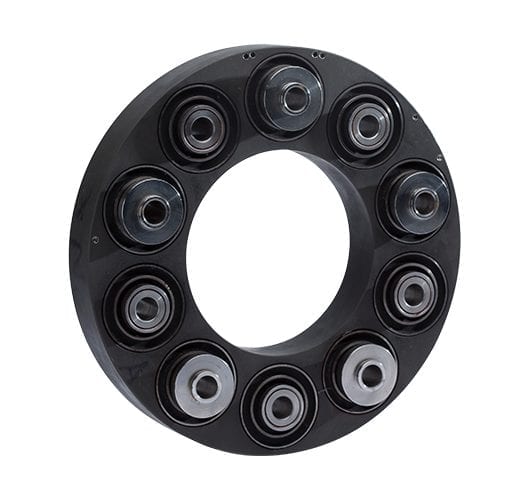
Rubber couplings can show signs of wear and deterioration over time due to factors like torque, temperature, and environmental conditions. To identify potential issues, watch out for the following signs:
- Visible Cracks or Damage: Inspect the rubber element for visible cracks, tears, or physical damage. Such issues can weaken the coupling’s torque transmission and vibration damping capabilities.
- Reduced Flexibility: Stiff or less flexible rubber indicates material degradation, which can impact the coupling’s ability to accommodate misalignment and absorb vibrations.
- Increased Vibrations: Excessive machinery vibrations may suggest worn-out rubber couplings. Deterioration of the rubber diminishes its vibration dampening properties.
- Unusual Noises: Any unusual sounds like squeaking or knocking might point to improper rubber coupling function and the need for inspection.
- Altered Performance: Decline in machinery performance, such as reduced torque transmission or higher energy consumption, can indicate coupling wear.
Regular inspections, visual checks, vibration analysis, and performance monitoring can help detect wear and deterioration early. This enables timely replacement and avoids operational problems.
Challenges of Misaligned Rubber Couplings and Their Resolution
Misaligned rubber couplings can lead to several challenges that impact the performance and reliability of machinery. These challenges include:
1. Reduced Efficiency: Misalignment can result in increased friction, causing energy loss and reduced efficiency in power transmission.
2. Increased Wear: Misaligned rubber couplings can cause uneven wear on the coupling’s rubber element and other connected components, leading to premature failure.
3. Vibrations and Noise: Misalignment can cause vibrations and noise, which not only affect the machinery’s operation but also contribute to discomfort for operators.
4. Overloading: Misalignment can lead to uneven loading on the coupling and connected components, potentially causing overloading and damage.
5. Premature Failure: Continuous operation with misaligned couplings can accelerate wear and fatigue, leading to premature failure of the coupling and other components.
To resolve these challenges, proper alignment practices are crucial:
1. Regular Maintenance: Perform routine inspections to identify misalignment and other issues early, allowing for timely adjustments.
2. Precise Installation: Ensure accurate alignment during the installation process to prevent initial misalignment.
3. Laser Alignment: Use laser alignment tools for accurate and reliable alignment between shafts.
4. Corrective Measures: If misalignment is detected, take corrective actions promptly to restore proper alignment.
5. Balancing Loads: Distribute loads evenly across the coupling and connected components to prevent overloading.
By addressing misalignment challenges proactively and adopting appropriate maintenance practices, the longevity and performance of rubber couplings can be significantly improved, minimizing downtime and maintenance costs in industrial applications.


editor by CX 2024-04-04
China Good quality Aluminum Alloy Gfc-55X49 Type Shaft Coupler Rubber Flexible Coupling
Product Description
Aluminum Alloy GFC-55X49 Type Shaft Coupler Rubber Flexible Coupling
Aluminum Alloy GFC-55X49 Type Shaft Coupler Rubber Flexible Coupling
| model parameter | common bore diameter d1,d2 | ΦD | L | LF | LP | F | M | tightening screw torque (N.M) |
| GFC-14X22 | 3,4,5,6,6.35 | 14 | 22 | 14.3 | 6.6 | 5.0 | M2.5 | 1.0 |
| GFC-20×25 | 3,4,5,6,6.35,7,8,9,9.525,10 | 20 | 25 | 16.7 | 8.6 | 5.9 | M3 | 1.5 |
| GFC-20X30 | 3,4,5,6,6.35,7,8,9,9.525,10 | 20 | 30 | 19.25 | 8.6 | 5.9 | M3 | 1.5 |
| GFC-25X30 | 4,5,6,6.35,7,8,9,9.525,10,11,12 | 25 | 30 | 20.82 | 11.6 | 8.5 | M4 | 2.5 |
| GFC-25X34 | 4,5,6,6.35,7,8,9,9.525,10,11,12 | 25 | 34 | 22.82 | 11.6 | 8.5 | M4 | 2.5 |
| GFC-30×35 | 5,6,6.35,7,8,9,10,11,12,12.7,14,15,16 | 30 | 35 | 23 | 11.5 | 10 | M4 | 2.5 |
| GFC-30X40 | 5,6,6.35,7,8,9,10,11,12,12.7,14,15,16 | 30 | 40 | 25 | 11.5 | 10 | M4 | 2.5 |
| GFC-40X50 | 6,8,9,10,11,12,12.7,14,15,16,17,18,19,20,22,24 | 40 | 50 | 32.1 | 14.5 | 14 | M5 | 7 |
| GFC-40X55 | 6,8,9,10,11,12,12.7,14,15,16,17,18,19,20,22,24 | 40 | 55 | 34.5 | 14.5 | 14 | M5 | 7 |
| GFC-40X66 | 6,8,910,11,12,12.7,14,15,16,17,18,19,20,22,24 | 40 | 66 | 40 | 14.5 | 14 | M5 | 7 |
| GFC-55X49 | 10,11,12,12.7,14,15,16,17,18,19,20,22,24,25,28,30,32 | 55 | 49 | 32 | 16.1 | 13.5 | M6 | 12 |
| GFC-55X78 | 8,10,12,12.7,14,15,16,17,18,19,20,22,24,25,28,30,32 | 55 | 78 | 46.4 | 16.1 | 19 | M6 | 12 |
| GFC-65X80 | 14,15,16,17,18,19,20,22,24,25,28,30,32,35,38,40 | 65 | 80 | 48.5 | 17.3 | 14 | M8 | 20 |
| GFC-65X90 | 14,15,16,17,18,19,20,22,24,25,28,30,32,35,38,40 | 65 | 90 | 53.5 | 17.3 | 22.5 | M8 | 20 |
| GFC-80X114 | 19,20,22,24,25,28,30,32,35,38,40,42,45 | 80 | 114 | 68 | 22.5 | 16 | M8 | 20 |
| GFC-95X126 | 19,20,22,24,25,28,30,32,35,38,40,42,45,50,55 | 95 | 126 | 74.5 | 24 | 18 | M10 | 30 |
| model parameter | Rated torque (N.M)* |
allowable eccentricity (mm)* |
allowable deflection angle (°)* |
allowable axial deviation (mm)* |
maximum speed rpm |
static torsional stiffness (N.M/rad) |
moment of inertia (Kg.M2) |
Material of shaft sleeve | Material of shrapnel | surface treatment | weight (g) |
| GFC-14X22 | 5.0 | 0.1 | 1 | ±02 | 10000 | 50 | 1.0×10⁻⁶ | High strength aluminum alloy | Polyurethane imported from Germany | Anodizing treatment | 10 |
| GFC-20X25 | 5.0 | 0.1 | 1 | ±02 | 10000 | 50 | 1.0×10⁻⁶ | 15 | |||
| GFC-20X30 | 5.0 | 0.1 | 1 | ^02 | 10000 | 53 | 1.1×10⁻⁶ | 19 | |||
| GFC-25X30 | 10 | 0.1 | 1 | 10000 | 90 | 5.2X10⁻⁶ | 33 | ||||
| GFC-25X34 | 10 | 0.1 | 1 | £)2 | 10000 | 90 | 5.2×10⁻⁶ | 42 | |||
| GFC-30X35 | 12.5 | 0.1 | 1 | ±02 | 10000 | 123 | 6.2×10⁻⁶ | 50 | |||
| GFC-30×40 | 12.5 | 0.1 | 1 | 102 | 10000 | 123 | 6.2×10⁻⁶ | 60 | |||
| GFC-40X50 | 17 | 0.1 | 1 | 8000 | 1100 | 3.8×10⁻⁵ | 115 | ||||
| GFC-40X55 | 17 | 0.1 | 1 | ±02 | 8000 | 1100 | 3.8×10⁻⁵ | 127 | |||
| GFC-40X66 | 17 | 0.1 | 1 | 7000 | 1140 | 3.9×10⁻⁵ | 154 | ||||
| GFC-55X49 | 45 | 0.1 | 1 | ±02 | 6500 | 2350 | 1.6×10⁻³ | 241 | |||
| GFC-55X78 | 45 | 0.1 | 1 | 102 | 6000 | 2500 | 1.6×10⁻³ | 341 | |||
| GFC-65X80 | 108 | 0.1 | 1 | ±02 | 5500 | 4500 | 3.8×10⁻³ | 433 | |||
| GFC-65X90 | 108 | 0.1 | 1 | ±02 | 5500 | 4800 | 3.8×10⁻³ | 583 | |||
| GFC-80X114 | 145 | 0.1 | 1 | £)2 | 4500 | 5000 | 1.8×10⁻³ | 1650 |
/* January 22, 2571 19:08:37 */!function(){function s(e,r){var a,o={};try{e&&e.split(“,”).forEach(function(e,t){e&&(a=e.match(/(.*?):(.*)$/))&&1
Suitability of Rubber Couplings for High-Speed Rotation and Varying Loads
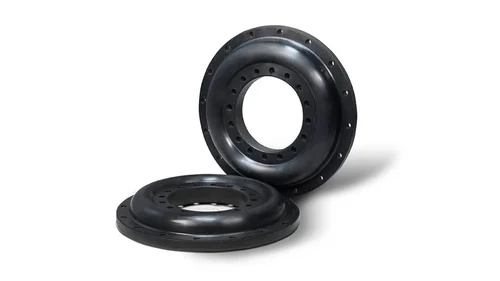
Rubber couplings are generally well-suited for applications involving high-speed rotation and varying loads, thanks to their unique properties and design features.
High-Speed Rotation: Rubber couplings can effectively handle high-speed rotation due to their inherent flexibility and damping characteristics. The elastomeric material used in rubber couplings helps absorb and dissipate vibrations that can occur at high speeds, contributing to smoother operation and reduced wear on connected machinery components.
Varying Loads: Rubber couplings are capable of accommodating varying loads due to their ability to deform under stress. The flexibility of rubber allows it to absorb shocks and impacts caused by changes in load, preventing damage to connected equipment. This feature is particularly beneficial in applications where sudden changes in load can occur, such as in industrial machinery.
However, it’s important to consider the specific requirements of the application. While rubber couplings provide excellent vibration isolation and misalignment compensation, they may not offer the same level of torsional rigidity as some other coupling types. In cases where precise torque transmission is crucial, and minimal torsional deflection is required, other coupling options might be more suitable.
Overall, rubber couplings can provide reliable performance in applications involving high-speed rotation and varying loads, especially when the benefits of vibration damping and misalignment compensation are essential.
Comparison of Rubber Couplings with Other Flexible Coupling Types
Rubber couplings, elastomeric couplings, and disc couplings are all flexible coupling options used in various mechanical systems. Here’s a comparison of rubber couplings with these alternatives:
Rubber Couplings:
- Transmit torque while damping vibrations through the flexibility of rubber elements.
- Provide good misalignment compensation and shock absorption.
- Relatively simple construction and cost-effective.
- Effective in reducing noise and vibration in applications.
- Suitable for moderate to high torque applications with moderate misalignment.
Elastomeric Couplings:
- Similar to rubber couplings, utilize elastomeric materials for flexibility and vibration damping.
- Offer higher torque capacity and stiffness compared to rubber couplings.
- Provide better misalignment compensation and torsional stiffness.
- Wider range of sizes and configurations for various applications.
- Commonly used in pumps, compressors, and other machinery.
Disc Couplings:
- Use a series of metal discs to transmit torque and accommodate misalignment.
- Offer high torsional stiffness and accuracy in torque transmission.
- Can handle higher speeds and torque compared to rubber or elastomeric couplings.
- Require precision in manufacturing and installation.
- Used in applications requiring high precision and minimal backlash.
When choosing between these flexible coupling types, considerations such as torque requirements, misalignment compensation, torsional stiffness, and application-specific needs play a significant role in making the appropriate selection. Each type has its advantages and limitations, making it important to assess the specific requirements of the machinery system.
Utilization of Rubber Couplings in Mechanical Systems
A rubber coupling is a type of flexible coupling that utilizes rubber elements to connect two shafts while allowing a certain degree of misalignment and vibration damping. It is commonly used in mechanical systems to transmit torque, accommodate misalignment, and reduce shock and vibration. Here’s how rubber couplings are utilized:
- Torque Transmission: Rubber couplings transmit torque from one shaft to another, enabling the transfer of power between components while allowing for slight angular, parallel, and axial misalignments.
- Misalignment Compensation: These couplings can accommodate both angular and axial misalignments, which can occur due to manufacturing tolerances, thermal expansion, or other factors. The flexibility of the rubber element helps prevent excessive loads on connected equipment.
- Vibration Damping: The elastic properties of rubber help dampen vibrations and shocks generated during the operation of rotating machinery. This prevents the transmission of harmful vibrations to other parts of the system and reduces wear and fatigue.
- Noise Reduction: Rubber couplings help reduce noise by absorbing vibrations and minimizing the transmission of sound waves through the system.
- Equipment Protection: By absorbing shocks and vibrations, rubber couplings protect sensitive equipment and components from damage, thereby extending their lifespan.
- Simple Installation: Rubber couplings are relatively easy to install and require minimal maintenance, making them a convenient choice for various applications.
- Wide Range of Applications: Rubber couplings find applications in various industries, including automotive, industrial machinery, pumps, compressors, and more.
In summary, rubber couplings are utilized in mechanical systems to transmit torque, accommodate misalignment, reduce vibration and shock, protect equipment, and enhance the overall performance and reliability of rotating machinery.
editor by CX 2024-04-04
China Standard Gr90 Gr100 Gr140 Red Yellow Shaft Coupling Rubber PU Elastic Buffer
Product Description
Product Description
China factory high quality GR90 GR100 GR140 red yellow Shaft Coupling Rubber PU Elastic Buffer
Polyurethane or called PU, Urethane is 1 of the strongest, toughest and most durable materials for making custom urethane parts and custom urethane products.
Our company can produce and supply cast polyurethane elastomer, which has excellent chemical characters: oil resistant, CHINAMFG resistant, aging resistant, corrosion resistant, hydrolysis resistant, heat and cold resistant, etc. Also polyurethane has excellent physical characters: high tear resistant, high impact resistant, high elasticity, high load-bearing resistant, etc. Compared to rubber, plastic and other material, polyurethane offers perfect mechanical properties.
With our in-house mold making capabilities, and 3D printer, we’re able to easily manufacture precise shapes cost-effectively.
Polyurethane products mainly include: Polyurethane block of coal plates, polyurethane scraper, etc., to meet different customer needs, special orders can be made as drawing and sample.
Custom Polyurethane PU Part as per your design.
1. Material: PU Polyurethane or rubber
2. Size: According to your drawing or sample.
3. Color: Black, white, Transparent, gray, green, yellow, blue, red and so on.
Hand Cast Mold Polyurethane Parts PU Coupling Cushion, PU spider, PU coupling:
1. Most of the plastic corrosion resistance is strong, does not react with acid, alkali.
2. Plastic manufacturing cost is low.
3. Durable, waterproof, light.
4. Easy to be with molding into different shapes.
5. Is a good insulator.
6. Plastic can be used for the preparation of fuel oil and fuel gas, so that we can reduce oil consumption
|
Product Name |
Hand Cast Mold Polyurethane Parts PU Coupling Cushion, PU spider, PU coupling |
|
Material |
PU, ABS, PC, PP, PS, POM, PMMA, PBT, PVC, PA6, PA66, PA66+30% GF, PTFE, PC+ABS, TPE, etc |
|
Surface Finish |
Color painting,Texture, Silk-printing, Vacuum coating, rubber coating, etc. |
|
Cavity Variety: |
One-stop solution,Multi-cavity mold,Family plastic mold,Hot runner plastic mold |
|
Quality Control |
ISO/TS16949:2002 and ISO14001:2004 system |
|
Business Scope |
Mold and parts designing and making,Parts machining,Injection molding, CNC prototype manufacturing |
|
Mold Processing |
CNC EDM machine processing then assembly and trial |
|
Color |
Red, blue, green, yellow,all pantone colors and RAL colors |
Besides plum CHINAMFG pad, or called GR mat, polyurethane sprockets, coupling cushion gasket, etc, we also can customize various PU products according to your drawing. Some cases are below:
Product Parameters
|
Feature: |
1.Abrasion resistant, High rebound, High load capacity |
|||
|
Advantage: |
Wear resistance,Tensile strength, Anti-static, High load capacity , Temperature resistant ,Mechanical formulation ,Oil resistance |
|||
|
Application: |
– Machine parts |
|||
Company Profile
HangZhou CITY SANSHI RUBBER CO.,LTD.
Was founded in 1980,we are located in HangZhou HangZhou city, ZheJiang province of China,
covers 9000 square meters,with more than hundred workemates and 30 sets of machinery equipment.
Rubber Oil seal are our major products also with customerized rubber parts , Rubber gaskets, Rubber damping blocks,Rubber sealing strip, Rubber sealing band,Polyurethane parts,Plastic Products, Bakelite Products , ring, Hardware stamping parts.
Our advantages
1. Various material.
2. We are direct factory, so small order quantity is acceptable and lots of samples are free.
3. There are about 8000 sets of moulds are free.
4. Our factory locates in the north of China, the cheaper labor cost brings us lower production cost.
5. With more than 30-year experience, we could supply you suitable solutions.
FAQ
Q1: Are you trading company or manufacturer?
We are a manufacturer specializing in rubber & plastic products.
Q2: Can I have a sample order for the product?
Yes, we welcome sample order to test and check quality.
Q3: Do you provide OEM/ODM service?
Yes, OEM/ODM are welcome.
Q4: I want to know more information, what should I do?
Welcome talk with us online or leave a message. Besides, you can also contact us by Email.
We will reply to you within 24 hours on weekdays.
Q5: What about the lead time?
Sample needs 5-7 days, mass production time is subject to your quantity. 15-20 days to deliver 1×20″ container of roof flashing for
instance.
Q6: Is it OK to print my logo on the product?
Yes. Please inform us formally before our production and confirm the design firstly based on our sample.
material: Polyurethane,
color: white, black, yellew, orange
feature: wearable, high qualtiy and best price
T type plum 6 corner pump pad
Performance and application:
This product is suitable for the pump and the drive mechanism to connect the elastic buffer.
Use temperature: 0C ~+80 0C -40
Product hardness: 5.75A + 5 +
Gauge: T200 – T40
Cars, tractors gearbox seal with nitrile rubber, its poor performance. Instead polyurethane elastomer seals, has good flexibility, water resistance, elasticity, abrasion resistance, low temperature resistance and mechanical strength.
custom-made is welcome, and the mold charge is for free.
| Material available | NBR, HNBR(H), HNBR(X), EPDM, NR,SBR, ACM,CFR,VMQ, CR,FKM(V), FFKM(K), PU, ECO,AFLAC |
| Mold | We can make mold by ourselves with competitive price, And if the quantity is up to 1000 pcs, the mold is for free. And more, for various oil seal, we have more than 10,000 molds in stock. |
| Size range | From 10mm to 2000mm Diameter |
| Weight range of products | 5g to 20kg |
| Colors available | Red, orange, yellow, green, blue, gray, purple, brown, milk color |
| processing equipment | Rubber molding machines, rubber injection machines, extruding machines. |
More about our company :
/* January 22, 2571 19:08:37 */!function(){function s(e,r){var a,o={};try{e&&e.split(“,”).forEach(function(e,t){e&&(a=e.match(/(.*?):(.*)$/))&&1
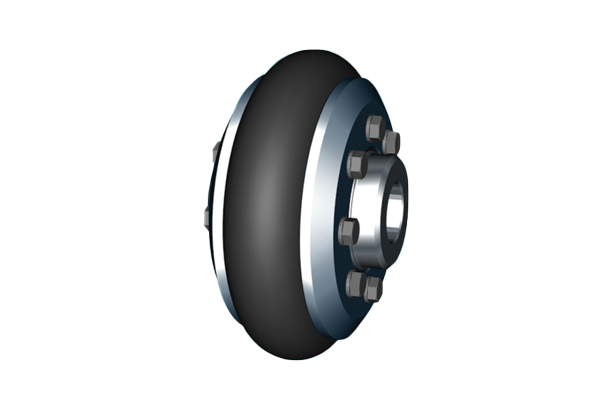
Diagnosing and Troubleshooting Rubber Coupling Issues
Diagnosing and troubleshooting problems with rubber couplings in machinery systems involves a systematic approach:
- Visual Inspection: Check for signs of wear, cracking, or deformation in the rubber elements.
- Vibration Analysis: Monitor vibration levels using sensors to identify excessive vibrations or irregular patterns.
- Noise Assessment: Listen for unusual noises during operation, which could indicate misalignment or worn components.
- Temperature Check: Monitor the operating temperature of the coupling, as overheating might indicate issues.
- Alignment Check: Ensure proper alignment between connected shafts to prevent excessive stress on the coupling.
- Torque Measurement: Measure the transmitted torque to identify any discrepancies from the expected values.
- Dynamic Testing: Conduct dynamic tests with load variations to identify performance issues.
- Comparative Analysis: Compare coupling behavior to baseline performance data.
If any issues are identified, they should be promptly addressed through proper maintenance, realignment, or replacement of damaged components.
Comparison of Rubber Couplings with Other Flexible Coupling Types
Rubber couplings, elastomeric couplings, and disc couplings are all flexible coupling options used in various mechanical systems. Here’s a comparison of rubber couplings with these alternatives:
Rubber Couplings:
- Transmit torque while damping vibrations through the flexibility of rubber elements.
- Provide good misalignment compensation and shock absorption.
- Relatively simple construction and cost-effective.
- Effective in reducing noise and vibration in applications.
- Suitable for moderate to high torque applications with moderate misalignment.
Elastomeric Couplings:
- Similar to rubber couplings, utilize elastomeric materials for flexibility and vibration damping.
- Offer higher torque capacity and stiffness compared to rubber couplings.
- Provide better misalignment compensation and torsional stiffness.
- Wider range of sizes and configurations for various applications.
- Commonly used in pumps, compressors, and other machinery.
Disc Couplings:
- Use a series of metal discs to transmit torque and accommodate misalignment.
- Offer high torsional stiffness and accuracy in torque transmission.
- Can handle higher speeds and torque compared to rubber or elastomeric couplings.
- Require precision in manufacturing and installation.
- Used in applications requiring high precision and minimal backlash.
When choosing between these flexible coupling types, considerations such as torque requirements, misalignment compensation, torsional stiffness, and application-specific needs play a significant role in making the appropriate selection. Each type has its advantages and limitations, making it important to assess the specific requirements of the machinery system.
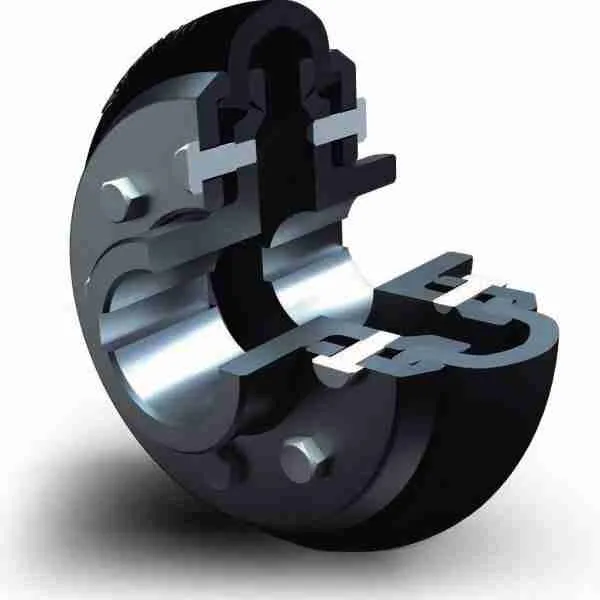
Factors to Consider When Selecting a Rubber Coupling
Choosing the right rubber coupling for a specific application involves considering various factors:
1. Torque Requirements: Evaluate the torque that needs to be transmitted between the input and output shafts. Select a coupling with a rubber element that can handle the required torque without exceeding its limits.
2. Misalignment Compensation: Determine the degree of misalignment (angular, axial, and radial) present in the system. Choose a rubber coupling with appropriate flexibility to accommodate the expected misalignment while maintaining efficient torque transmission.
3. Vibration Damping: Assess the level of vibrations and shocks in the application. Opt for a rubber coupling with effective vibration-damping properties to protect the machinery and enhance its reliability.
4. Service Environment: Consider the operating conditions, including temperature, humidity, exposure to chemicals, and potential contaminants. Select a rubber material that can withstand the environment without deteriorating.
5. Shaft Sizes: Ensure that the coupling’s bore sizes match the shaft diameters of the connected equipment. Proper shaft fitment is crucial for efficient torque transmission.
6. Maintenance Requirements: Evaluate the maintenance practices of the system. Some rubber couplings may require periodic inspection and replacement due to wear over time.
7. Cost and Budget: Factor in the budget constraints while choosing a suitable rubber coupling. Balancing performance and cost is essential for an optimal solution.
8. Application Type: Different industries and applications have unique requirements. Choose a coupling type (spider, jaw, tire, etc.) based on the specific needs of the application.
By carefully considering these factors, you can select a rubber coupling that provides efficient torque transmission, vibration isolation, and durability in your mechanical system.
editor by CX 2024-04-04
China factory Original Excavator Parts Coupling CF-a Series Rubber Flexible Torsionally Steel Universal Shaft Coupling for Centaflex
Product Description
Original Excavator Parts Coupling CF-a Series Rubber Flexible Torsionally Steel Universal Shaft Coupling for Centafle
Product Display:
| Model | Outer Diameter(mm) | Inner Diameter(mm) | Hight(mm) | Diameter from Hole to Hole(mm) | Weight(kg) | |||||||||||||||||||||||||||||||||||||||||||||||||||||||||||||||||||||||||||||||||||||||||||||||||||||||||||||||||||||||||||||||||||||||||||||||||||||||||||||||||||||||||||||||||||||||||||||||||||||||||||||||||||||||||||||||||||||||||||||||||||||||||||||||||||||||||||||||||||||||||||||||||||||||||||||||||||||||||||||||||||||||||||||||||||||||||||||||||||||||||||||||||||||||||||||||||||||||||||||||||||||||||||||||||||||||||||||||||||||||||||||||||||||||||||||||||||||||||||||||||||||||||||||||||||||||||||||||||||||||||||||||||||||||||||||||||||||||||||||||||||||||||||||||||||||||||||||||||||||||||||||||||||||||||||||||||||||||||||||||||||||||||||||||||||||||||||||||||||||||||||||||||||||||||||||||||||||||||||||||||||||||
| 4A/4AS | 103 | 53 | 28 | 68 | 0.18 | |||||||||||||||||||||||||||||||||||||||||||||||||||||||||||||||||||||||||||||||||||||||||||||||||||||||||||||||||||||||||||||||||||||||||||||||||||||||||||||||||||||||||||||||||||||||||||||||||||||||||||||||||||||||||||||||||||||||||||||||||||||||||||||||||||||||||||||||||||||||||||||||||||||||||||||||||||||||||||||||||||||||||||||||||||||||||||||||||||||||||||||||||||||||||||||||||||||||||||||||||||||||||||||||||||||||||||||||||||||||||||||||||||||||||||||||||||||||||||||||||||||||||||||||||||||||||||||||||||||||||||||||||||||||||||||||||||||||||||||||||||||||||||||||||||||||||||||||||||||||||||||||||||||||||||||||||||||||||||||||||||||||||||||||||||||||||||||||||||||||||||||||||||||||||||||||||||||||||||||||||||||||
| 8A/8AS | 134 | 71 | 32 | 88 | 0.26 | |||||||||||||||||||||||||||||||||||||||||||||||||||||||||||||||||||||||||||||||||||||||||||||||||||||||||||||||||||||||||||||||||||||||||||||||||||||||||||||||||||||||||||||||||||||||||||||||||||||||||||||||||||||||||||||||||||||||||||||||||||||||||||||||||||||||||||||||||||||||||||||||||||||||||||||||||||||||||||||||||||||||||||||||||||||||||||||||||||||||||||||||||||||||||||||||||||||||||||||||||||||||||||||||||||||||||||||||||||||||||||||||||||||||||||||||||||||||||||||||||||||||||||||||||||||||||||||||||||||||||||||||||||||||||||||||||||||||||||||||||||||||||||||||||||||||||||||||||||||||||||||||||||||||||||||||||||||||||||||||||||||||||||||||||||||||||||||||||||||||||||||||||||||||||||||||||||||||||||||||||||||||
| 16A/16AS | 160 | 80 | 41 | 110 | 0.54 | |||||||||||||||||||||||||||||||||||||||||||||||||||||||||||||||||||||||||||||||||||||||||||||||||||||||||||||||||||||||||||||||||||||||||||||||||||||||||||||||||||||||||||||||||||||||||||||||||||||||||||||||||||||||||||||||||||||||||||||||||||||||||||||||||||||||||||||||||||||||||||||||||||||||||||||||||||||||||||||||||||||||||||||||||||||||||||||||||||||||||||||||||||||||||||||||||||||||||||||||||||||||||||||||||||||||||||||||||||||||||||||||||||||||||||||||||||||||||||||||||||||||||||||||||||||||||||||||||||||||||||||||||||||||||||||||||||||||||||||||||||||||||||||||||||||||||||||||||||||||||||||||||||||||||||||||||||||||||||||||||||||||||||||||||||||||||||||||||||||||||||||||||||||||||||||||||||||||||||||||||||||||
| 22A/22AS | 165 | 86 | 41 | 128 | 0.66 | |||||||||||||||||||||||||||||||||||||||||||||||||||||||||||||||||||||||||||||||||||||||||||||||||||||||||||||||||||||||||||||||||||||||||||||||||||||||||||||||||||||||||||||||||||||||||||||||||||||||||||||||||||||||||||||||||||||||||||||||||||||||||||||||||||||||||||||||||||||||||||||||||||||||||||||||||||||||||||||||||||||||||||||||||||||||||||||||||||||||||||||||||||||||||||||||||||||||||||||||||||||||||||||||||||||||||||||||||||||||||||||||||||||||||||||||||||||||||||||||||||||||||||||||||||||||||||||||||||||||||||||||||||||||||||||||||||||||||||||||||||||||||||||||||||||||||||||||||||||||||||||||||||||||||||||||||||||||||||||||||||||||||||||||||||||||||||||||||||||||||||||||||||||||||||||||||||||||||||||||||||||||
| 25A/25AS | 183 | 102 | 46 | 123 | 0.78 | |||||||||||||||||||||||||||||||||||||||||||||||||||||||||||||||||||||||||||||||||||||||||||||||||||||||||||||||||||||||||||||||||||||||||||||||||||||||||||||||||||||||||||||||||||||||||||||||||||||||||||||||||||||||||||||||||||||||||||||||||||||||||||||||||||||||||||||||||||||||||||||||||||||||||||||||||||||||||||||||||||||||||||||||||||||||||||||||||||||||||||||||||||||||||||||||||||||||||||||||||||||||||||||||||||||||||||||||||||||||||||||||||||||||||||||||||||||||||||||||||||||||||||||||||||||||||||||||||||||||||||||||||||||||||||||||||||||||||||||||||||||||||||||||||||||||||||||||||||||||||||||||||||||||||||||||||||||||||||||||||||||||||||||||||||||||||||||||||||||||||||||||||||||||||||||||||||||||||||||||||||||||
| 28A/AS | 0.88 | |||||||||||||||||||||||||||||||||||||||||||||||||||||||||||||||||||||||||||||||||||||||||||||||||||||||||||||||||||||||||||||||||||||||||||||||||||||||||||||||||||||||||||||||||||||||||||||||||||||||||||||||||||||||||||||||||||||||||||||||||||||||||||||||||||||||||||||||||||||||||||||||||||||||||||||||||||||||||||||||||||||||||||||||||||||||||||||||||||||||||||||||||||||||||||||||||||||||||||||||||||||||||||||||||||||||||||||||||||||||||||||||||||||||||||||||||||||||||||||||||||||||||||||||||||||||||||||||||||||||||||||||||||||||||||||||||||||||||||||||||||||||||||||||||||||||||||||||||||||||||||||||||||||||||||||||||||||||||||||||||||||||||||||||||||||||||||||||||||||||||||||||||||||||||||||||||||||||||||||||||||||||||||
| 30A/30AS | 213 | 117 | 57 | 145 | 1.28 | |||||||||||||||||||||||||||||||||||||||||||||||||||||||||||||||||||||||||||||||||||||||||||||||||||||||||||||||||||||||||||||||||||||||||||||||||||||||||||||||||||||||||||||||||||||||||||||||||||||||||||||||||||||||||||||||||||||||||||||||||||||||||||||||||||||||||||||||||||||||||||||||||||||||||||||||||||||||||||||||||||||||||||||||||||||||||||||||||||||||||||||||||||||||||||||||||||||||||||||||||||||||||||||||||||||||||||||||||||||||||||||||||||||||||||||||||||||||||||||||||||||||||||||||||||||||||||||||||||||||||||||||||||||||||||||||||||||||||||||||||||||||||||||||||||||||||||||||||||||||||||||||||||||||||||||||||||||||||||||||||||||||||||||||||||||||||||||||||||||||||||||||||||||||||||||||||||||||||||||||||||||||
| 50A/50AS | 220 | 123 | 57 | 165 | 1.48 | |||||||||||||||||||||||||||||||||||||||||||||||||||||||||||||||||||||||||||||||||||||||||||||||||||||||||||||||||||||||||||||||||||||||||||||||||||||||||||||||||||||||||||||||||||||||||||||||||||||||||||||||||||||||||||||||||||||||||||||||||||||||||||||||||||||||||||||||||||||||||||||||||||||||||||||||||||||||||||||||||||||||||||||||||||||||||||||||||||||||||||||||||||||||||||||||||||||||||||||||||||||||||||||||||||||||||||||||||||||||||||||||||||||||||||||||||||||||||||||||||||||||||||||||||||||||||||||||||||||||||||||||||||||||||||||||||||||||||||||||||||||||||||||||||||||||||||||||||||||||||||||||||||||||||||||||||||||||||||||||||||||||||||||||||||||||||||||||||||||||||||||||||||||||||||||||||||||||||||||||||||||||
| 80A/80As | 225 | 120 | 65 | 167 | 1.92 | |||||||||||||||||||||||||||||||||||||||||||||||||||||||||||||||||||||||||||||||||||||||||||||||||||||||||||||||||||||||||||||||||||||||||||||||||||||||||||||||||||||||||||||||||||||||||||||||||||||||||||||||||||||||||||||||||||||||||||||||||||||||||||||||||||||||||||||||||||||||||||||||||||||||||||||||||||||||||||||||||||||||||||||||||||||||||||||||||||||||||||||||||||||||||||||||||||||||||||||||||||||||||||||||||||||||||||||||||||||||||||||||||||||||||||||||||||||||||||||||||||||||||||||||||||||||||||||||||||||||||||||||||||||||||||||||||||||||||||||||||||||||||||||||||||||||||||||||||||||||||||||||||||||||||||||||||||||||||||||||||||||||||||||||||||||||||||||||||||||||||||||||||||||||||||||||||||||||||||||||||||||||
| 90A/90As | 278 | 148 | 70 | 190 | 3.1 | |||||||||||||||||||||||||||||||||||||||||||||||||||||||||||||||||||||||||||||||||||||||||||||||||||||||||||||||||||||||||||||||||||||||||||||||||||||||||||||||||||||||||||||||||||||||||||||||||||||||||||||||||||||||||||||||||||||||||||||||||||||||||||||||||||||||||||||||||||||||||||||||||||||||||||||||||||||||||||||||||||||||||||||||||||||||||||||||||||||||||||||||||||||||||||||||||||||||||||||||||||||||||||||||||||||||||||||||||||||||||||||||||||||||||||||||||||||||||||||||||||||||||||||||||||||||||||||||||||||||||||||||||||||||||||||||||||||||||||||||||||||||||||||||||||||||||||||||||||||||||||||||||||||||||||||||||||||||||||||||||||||||||||||||||||||||||||||||||||||||||||||||||||||||||||||||||||||||||||||||||||||||
| 140A/140AS | 285 | 151 | 71 | 215 | 3.42 | |||||||||||||||||||||||||||||||||||||||||||||||||||||||||||||||||||||||||||||||||||||||||||||||||||||||||||||||||||||||||||||||||||||||||||||||||||||||||||||||||||||||||||||||||||||||||||||||||||||||||||||||||||||||||||||||||||||||||||||||||||||||||||||||||||||||||||||||||||||||||||||||||||||||||||||||||||||||||||||||||||||||||||||||||||||||||||||||||||||||||||||||||||||||||||||||||||||||||||||||||||||||||||||||||||||||||||||||||||||||||||||||||||||||||||||||||||||||||||||||||||||||||||||||||||||||||||||||||||||||||||||||||||||||||||||||||||||||||||||||||||||||||||||||||||||||||||||||||||||||||||||||||||||||||||||||||||||||||||||||||||||||||||||||||||||||||||||||||||||||||||||||||||||||||||||||||||||||||||||||||||||||
| 250A/250AS | 6.6 | |||||||||||||||||||||||||||||||||||||||||||||||||||||||||||||||||||||||||||||||||||||||||||||||||||||||||||||||||||||||||||||||||||||||||||||||||||||||||||||||||||||||||||||||||||||||||||||||||||||||||||||||||||||||||||||||||||||||||||||||||||||||||||||||||||||||||||||||||||||||||||||||||||||||||||||||||||||||||||||||||||||||||||||||||||||||||||||||||||||||||||||||||||||||||||||||||||||||||||||||||||||||||||||||||||||||||||||||||||||||||||||||||||||||||||||||||||||||||||||||||||||||||||||||||||||||||||||||||||||||||||||||||||||||||||||||||||||||||||||||||||||||||||||||||||||||||||||||||||||||||||||||||||||||||||||||||||||||||||||||||||||||||||||||||||||||||||||||||||||||||||||||||||||||||||||||||||||||||||||||||||||||||||
| 284B | 6.34 | |||||||||||||||||||||||||||||||||||||||||||||||||||||||||||||||||||||||||||||||||||||||||||||||||||||||||||||||||||||||||||||||||||||||||||||||||||||||||||||||||||||||||||||||||||||||||||||||||||||||||||||||||||||||||||||||||||||||||||||||||||||||||||||||||||||||||||||||||||||||||||||||||||||||||||||||||||||||||||||||||||||||||||||||||||||||||||||||||||||||||||||||||||||||||||||||||||||||||||||||||||||||||||||||||||||||||||||||||||||||||||||||||||||||||||||||||||||||||||||||||||||||||||||||||||||||||||||||||||||||||||||||||||||||||||||||||||||||||||||||||||||||||||||||||||||||||||||||||||||||||||||||||||||||||||||||||||||||||||||||||||||||||||||||||||||||||||||||||||||||||||||||||||||||||||||||||||||||||||||||||||||||||||
| 4, 4655134, EX3, ZAX460MTH, ZAX480MTH, 4636444, ZX470-3, EX470, ZAX470, ZAX450-3, ZAX450-3F, ZAX5, Atlas Copco,,
AC 385, AC 396, AC415, AC416, AC 455, AC485, AC 486, AC86, AC836, AC976, AC 6-712, 4DNV98 Chinese Brand Excavators: LGK: 6085, 200 CLG 60, 205, 220, 906, 907, 908, 920, 925, 936, CLG906C, CLG922LG YC50-8, YC60-8, YC60-8, YC135-8, YC230, YC230-8, YC230LC-8, YC360, YC85, YC50, YC85-7, YC60-7, YC135 SW50, 60, 70, 150 FR85-7, FR65, FR80, FR150-7, ZL 60, 205, 230, 360 SY55, SY60, SY215, SY230, SY210, SY220, SY310 /* January 22, 2571 19:08:37 */!function(){function s(e,r){var a,o={};try{e&&e.split(“,”).forEach(function(e,t){e&&(a=e.match(/(.*?):(.*)$/))&&1
Diagnosing and Troubleshooting Rubber Coupling IssuesDiagnosing and troubleshooting problems with rubber couplings in machinery systems involves a systematic approach:
If any issues are identified, they should be promptly addressed through proper maintenance, realignment, or replacement of damaged components.
Common Rubber Materials Used in Manufacturing Rubber CouplingsVarious rubber materials are used in the manufacturing of rubber couplings, each chosen based on its specific properties and the intended application:
The choice of rubber material depends on factors such as the operating environment, chemical exposure, temperature range, flexibility requirements, and load conditions. Engineers select the appropriate rubber material to ensure the coupling’s performance and longevity in specific applications.
Role of Rubber Flexibility in Accommodating MisalignmentRubber couplings are designed with a flexible element, usually made of elastomers, that plays a crucial role in accommodating misalignment between connected shafts. The flexibility of the rubber element allows it to deform and absorb angular, axial, and radial misalignments, providing several benefits: 1. Angular Misalignment: When the input and output shafts are not perfectly aligned in terms of angle, the rubber element can flex and twist, allowing the coupling to transmit torque even when the axes are not parallel. 2. Axial Misalignment: Axial misalignment occurs when the shafts move closer together or farther apart along their axis. The rubber element can compress or extend, adjusting the distance between the shafts without hindering torque transfer. 3. Radial Misalignment: Radial misalignment refers to the offset between the centers of the shafts. The rubber element can bend in response to radial displacement, ensuring that the coupling remains operational while accommodating the offset. This flexibility not only enables the rubber coupling to handle misalignment but also helps prevent excessive stress on the connected machinery. By absorbing shock loads and distributing forces, the rubber element reduces wear and tear on components and minimizes the risk of premature failure. In essence, the rubber’s flexibility in the coupling acts as a buffer against misalignment-induced stresses, contributing to smoother operation, improved longevity, and reduced maintenance in mechanical systems.
China best L Type CHINAMFG Shaft Coupling Flexible Jaw Coupling with Rubber ElementProduct Description
Applications 2. Pharmaceuticals& Food Processing: pulp mill blowers, conveyor in warehouse, agitators, grain, boiler, bakery machine, labeling machine, robots, etc. 3. Agriculture Industries: cultivator, rice winnower tractor, harvester, rice planter, farm equipment, etc. 4. Texitile Mills: looms, spinning, wrappers, high-speed auto looms, processing machine, twister, carding machine, ruler calendar machine, high speed winder, etc. 5. Printing Machinery: newspaper press, rotary machine, screen printer machine, linotype machine offset printer, etc. 6. Paper Industries: chipper roll grinder, cut off saw, edgers, flotation cell and chips saws, etc. 7. Building Construction Machinery: buffers, elevator floor polisher mixing machine, vibrator, hoists, crusher, etc. 8. Office Equipments: typewriter, plotters, camera, money drive, money sorting machine, data storage equipment, etc. 9. Glass and Plastic Industries: conveyor, carton sealers, grinders, creeper paper manufacturing machine, lintec backing, etc. 10. Home Appliances: vacuum cleaner, laundry machine, icecream machine, sewing machine, kitchen equipments, etc.
About MIGHTY ZheJiang Mighty Machinery Co., Ltd. specializes in manufacturing Mechanical Power Transmission Products.We Mighty is the division/branch of SCMC Group, which is a wholly state-owned company, established in 1980. FAQ A: We are factory. Q: How long is your delivery time?A: Generally it is 5-10 days if the goods are in stock. or it is 15-20 days if the goods are not in stock, it is according to quantity. Q: Do you provide samples ? is it free or extra ?A: Yes, we could offer the sample for free charge but do not pay the cost of freight. Q: What is your terms of payment ?A: Payment=1000USD, 30% T/T in advance ,balance before shippment. We warmly welcome friends from domestic and abroad come to us for business negotiation and cooperation for mutual benefit. To supply customers excellent quality products with good price and punctual delivery time is our responsibility. /* January 22, 2571 19:08:37 */!function(){function s(e,r){var a,o={};try{e&&e.split(“,”).forEach(function(e,t){e&&(a=e.match(/(.*?):(.*)$/))&&1
Maintaining and Preserving Rubber Coupling PerformanceTo ensure the longevity and optimal performance of rubber couplings, the following best practices should be observed:
By adhering to these practices, the performance and service life of rubber couplings can be effectively preserved.
Industry Standards and Guidelines for Rubber CouplingsThere are no specific industry standards or guidelines that exclusively govern the design and application of rubber couplings. However, various general standards and engineering practices apply to flexible couplings, including rubber couplings:
Since rubber couplings fall under the category of flexible couplings, engineers and designers can follow these broader standards and best practices while considering the specific characteristics and performance requirements of rubber couplings for their applications.
Main Advantages of Using Rubber Couplings in Industrial ApplicationsRubber couplings offer several key advantages when used in industrial applications. These advantages make them a popular choice for various industries and mechanical systems:
In summary, the main advantages of using rubber couplings in industrial applications include their ability to tolerate misalignment, dampen vibrations, absorb shocks, reduce noise, protect equipment, cost-effectiveness, easy installation, low maintenance requirements, and suitability for a wide range of applications.
China Good quality Clamped Compressio Flexible Rubber Motor Quick Release Spline Fluid Shaft Flange Sleeve Split Threaded Stainless Steel Hydrodynamic Custom Rigid CouplingProduct Description
Clamped compressio Flexible Rubber Motor Quick Release Spline Fluid Shaft flange sleeve split threaded stainless steel Hydrodynamic custom rigid Coupling
Spline fluid shafts are used in a variety of applications, including:
Spline fluid shafts are characterized by their ability to transmit high torque and power while minimizing vibration and noise. They are also relatively easy to manufacture and install, making them a cost-effective solution for a wide range of applications. Here are some specific examples of how spline fluid shafts are used in different applications:
Spline fluid shafts are a versatile and reliable component that can be used in a wide range of applications. They are characterized by their ability to transmit high torque and power while minimizing vibration and noise. Spline fluid shafts are also relatively easy to manufacture and install, making them a cost-effective solution for a wide range of applications.
/* January 22, 2571 19:08:37 */!function(){function s(e,r){var a,o={};try{e&&e.split(“,”).forEach(function(e,t){e&&(a=e.match(/(.*?):(.*)$/))&&1
Recent Advancements in Rubber Coupling TechnologyIn recent years, rubber coupling technology has seen several advancements aimed at improving performance, durability, and overall efficiency:
These advancements have led to rubber couplings that offer better torque transmission, improved vibration isolation, longer service life, and reduced maintenance needs.
Comparison of Rubber Couplings with Other Flexible Coupling TypesRubber couplings, elastomeric couplings, and disc couplings are all flexible coupling options used in various mechanical systems. Here’s a comparison of rubber couplings with these alternatives: Rubber Couplings:
Elastomeric Couplings:
Disc Couplings:
When choosing between these flexible coupling types, considerations such as torque requirements, misalignment compensation, torsional stiffness, and application-specific needs play a significant role in making the appropriate selection. Each type has its advantages and limitations, making it important to assess the specific requirements of the machinery system.
Transmitting Torque and Damping Vibrations with a Rubber CouplingA rubber coupling utilizes its flexible rubber element to achieve both torque transmission and vibration damping: 1. Torque Transmission: The rubber element connects two hubs, which are attached to the input and output shafts. As the input shaft rotates, it causes the rubber element to deform due to the applied torque. This deformation creates a shearing action within the rubber material, transmitting torque from the input to the output shaft. 2. Vibration Damping: The flexible rubber element of the coupling acts as a vibration isolator. When the coupling experiences external vibrations or shocks, the rubber absorbs the energy and dampens the vibrations before they reach the output shaft. The rubber’s elasticity and damping properties help mitigate vibrations and reduce the impact on the connected machinery, enhancing overall system performance and longevity. This combination of torque transmission and vibration damping makes rubber couplings suitable for applications where misalignment compensation, shock absorption, and dampening of vibrations are essential, such as in pumps, compressors, HVAC systems, and various industrial machinery.
China Standard Manufacturers Multiple Types/Size Flexible Coupling Rubber Shaft Coupling 16as for Excavator CouplingProduct Description
Manufacturers Multiple Types/Size Flexible Coupling rubber shaft coupling 16AS for excavator coupling Please click here>>>>Contact us for more factory price,shipping and discounts
1Q:What is your brand? 2Q:Do you have your own factory? Can we have a visit? 3Q:How do you control the quality of the products? 4Q:How long is the delivery time? 5Q:Can we print our company logo onproduct and package? 6Q:Can you provide OEM BRAND package?
Diagnosing and Troubleshooting Rubber Coupling IssuesDiagnosing and troubleshooting problems with rubber couplings in machinery systems involves a systematic approach:
If any issues are identified, they should be promptly addressed through proper maintenance, realignment, or replacement of damaged components.
Industries and Applications of Rubber CouplingsRubber couplings are widely utilized in various industries and applications where their unique characteristics are beneficial. Some examples include:
These examples highlight the versatility and importance of rubber couplings in maintaining efficient and reliable operation across a wide range of industries and applications.
Challenges of Misaligned Rubber Couplings and Their ResolutionMisaligned rubber couplings can lead to several challenges that impact the performance and reliability of machinery. These challenges include: 1. Reduced Efficiency: Misalignment can result in increased friction, causing energy loss and reduced efficiency in power transmission. 2. Increased Wear: Misaligned rubber couplings can cause uneven wear on the coupling’s rubber element and other connected components, leading to premature failure. 3. Vibrations and Noise: Misalignment can cause vibrations and noise, which not only affect the machinery’s operation but also contribute to discomfort for operators. 4. Overloading: Misalignment can lead to uneven loading on the coupling and connected components, potentially causing overloading and damage. 5. Premature Failure: Continuous operation with misaligned couplings can accelerate wear and fatigue, leading to premature failure of the coupling and other components. To resolve these challenges, proper alignment practices are crucial: 1. Regular Maintenance: Perform routine inspections to identify misalignment and other issues early, allowing for timely adjustments. 2. Precise Installation: Ensure accurate alignment during the installation process to prevent initial misalignment. 3. Laser Alignment: Use laser alignment tools for accurate and reliable alignment between shafts. 4. Corrective Measures: If misalignment is detected, take corrective actions promptly to restore proper alignment. 5. Balancing Loads: Distribute loads evenly across the coupling and connected components to prevent overloading. By addressing misalignment challenges proactively and adopting appropriate maintenance practices, the longevity and performance of rubber couplings can be significantly improved, minimizing downtime and maintenance costs in industrial applications.
China Hot selling CNC Aluminum Elastic Rubber Spider Jaw Shaft Coupler GF14*22 20*25 25*30 40*50 Shaft Flexible Coupling Ball Screw Plum CouplingProduct Description
Product Description Coupling Deatails Name: High precision plum blossom
Product Parameters Detailed Photos /* January 22, 2571 19:08:37 */!function(){function s(e,r){var a,o={};try{e&&e.split(“,”).forEach(function(e,t){e&&(a=e.match(/(.*?):(.*)$/))&&1
Recent Advancements in Rubber Coupling TechnologyIn recent years, rubber coupling technology has seen several advancements aimed at improving performance, durability, and overall efficiency:
These advancements have led to rubber couplings that offer better torque transmission, improved vibration isolation, longer service life, and reduced maintenance needs.
Handling Torque and Vibration Suppression in Rubber CouplingsRubber couplings are designed to effectively handle both high levels of torque transmission and vibration suppression. The flexibility and damping properties of rubber make it well-suited for these purposes:
Engineers select the appropriate rubber material and coupling design to ensure that the coupling can effectively handle the required torque levels and provide the desired vibration suppression. Rubber couplings find applications in various industries where torque transmission and vibration damping are critical for smooth and reliable machinery operation.
Challenges of Misaligned Rubber Couplings and Their ResolutionMisaligned rubber couplings can lead to several challenges that impact the performance and reliability of machinery. These challenges include: 1. Reduced Efficiency: Misalignment can result in increased friction, causing energy loss and reduced efficiency in power transmission. 2. Increased Wear: Misaligned rubber couplings can cause uneven wear on the coupling’s rubber element and other connected components, leading to premature failure. 3. Vibrations and Noise: Misalignment can cause vibrations and noise, which not only affect the machinery’s operation but also contribute to discomfort for operators. 4. Overloading: Misalignment can lead to uneven loading on the coupling and connected components, potentially causing overloading and damage. 5. Premature Failure: Continuous operation with misaligned couplings can accelerate wear and fatigue, leading to premature failure of the coupling and other components. To resolve these challenges, proper alignment practices are crucial: 1. Regular Maintenance: Perform routine inspections to identify misalignment and other issues early, allowing for timely adjustments. 2. Precise Installation: Ensure accurate alignment during the installation process to prevent initial misalignment. 3. Laser Alignment: Use laser alignment tools for accurate and reliable alignment between shafts. 4. Corrective Measures: If misalignment is detected, take corrective actions promptly to restore proper alignment. 5. Balancing Loads: Distribute loads evenly across the coupling and connected components to prevent overloading. By addressing misalignment challenges proactively and adopting appropriate maintenance practices, the longevity and performance of rubber couplings can be significantly improved, minimizing downtime and maintenance costs in industrial applications.
China high quality Flexible Coupling Flange Industrial Shaft Rubber Motor Disc Drive Stainless Steel Couplings Best Transmission Parts High Quality Good Price Flexible CouplingProduct Description
Flexible Coupling Flange Industrial Shaft Rubber Motor Disc Drive Stainless Steel Couplings Best Transmission Parts High Quality Good Price Flexible Coupling Application of Flexible Coupling Flexible couplings are used to transmit torque from 1 shaft to another while allowing for some misalignment between the shafts. This makes them ideal for applications where the shafts are not perfectly aligned, such as when the equipment is installed in a new location or when the equipment is subject to vibration. Flexible couplings are available in a variety of types, each with its own advantages and disadvantages. Some of the most common types of flexible couplings include:
The best type of flexible coupling for a particular application will depend on the specific requirements of that application. Factors to consider include the amount of misalignment that needs to be compensated for, the torque that needs to be transmitted, and the cost. Here are some of the applications of flexible couplings:
Overall, flexible couplings are a versatile and reliable type of coupling that can be used in a wide variety of applications. They offer a number of advantages over other types of couplings, but they also have some disadvantages. The best type of coupling for a particular application will depend on the specific requirements of that application. /* January 22, 2571 19:08:37 */!function(){function s(e,r){var a,o={};try{e&&e.split(“,”).forEach(function(e,t){e&&(a=e.match(/(.*?):(.*)$/))&&1
Maintaining and Preserving Rubber Coupling PerformanceTo ensure the longevity and optimal performance of rubber couplings, the following best practices should be observed:
By adhering to these practices, the performance and service life of rubber couplings can be effectively preserved.
Industries and Applications of Rubber CouplingsRubber couplings are widely utilized in various industries and applications where their unique characteristics are beneficial. Some examples include:
These examples highlight the versatility and importance of rubber couplings in maintaining efficient and reliable operation across a wide range of industries and applications.
Main Advantages of Using Rubber Couplings in Industrial ApplicationsRubber couplings offer several key advantages when used in industrial applications. These advantages make them a popular choice for various industries and mechanical systems:
In summary, the main advantages of using rubber couplings in industrial applications include their ability to tolerate misalignment, dampen vibrations, absorb shocks, reduce noise, protect equipment, cost-effectiveness, easy installation, low maintenance requirements, and suitability for a wide range of applications.
China factory Nm97 Nm112 Normex Coupling Flexible Nm Coupling Rubber Elastomer Shaft CouplerProduct Description
Product Description NM coupling extensively used in compressors, diesel engine drives, pumps, conveyors, and many other drive units. NM coupling consists of 2 hubs and flexible ring able to compensate all type of shaft misalignments.The flexible rings are made of Nitile rubber(NBR) which have a high internal damping characteristic which enable to absorb and dampen torsional vibrations,operate effectively in temperature range of -40~+100. NM coupling characteristics:Quiet and smooth operation.Easy installation and maintenance free. Available to machine with high torque and intermittent operation. 1. Material: Cast iron, Rubber. Detailed Photos Applications NM couplings are offered in the industry’s largest variety of stock bore/keyway combinations. These couplings require no lubrication and provide highly reliable service for light, medium, and heavy duty electrical motor and internal combustion power transmission applications. Applications include power transmission to industrial equipment such as pumps, gear boxes, compressors, blowers, mixers, and conveyors.
Product Parameters Packaging & Shipping
Company Profile /* January 22, 2571 19:08:37 */!function(){function s(e,r){var a,o={};try{e&&e.split(“,”).forEach(function(e,t){e&&(a=e.match(/(.*?):(.*)$/))&&1
Recent Advancements in Rubber Coupling TechnologyIn recent years, rubber coupling technology has seen several advancements aimed at improving performance, durability, and overall efficiency:
These advancements have led to rubber couplings that offer better torque transmission, improved vibration isolation, longer service life, and reduced maintenance needs.
Industries and Applications of Rubber CouplingsRubber couplings are widely utilized in various industries and applications where their unique characteristics are beneficial. Some examples include:
These examples highlight the versatility and importance of rubber couplings in maintaining efficient and reliable operation across a wide range of industries and applications.
Transmitting Torque and Damping Vibrations with a Rubber CouplingA rubber coupling utilizes its flexible rubber element to achieve both torque transmission and vibration damping: 1. Torque Transmission: The rubber element connects two hubs, which are attached to the input and output shafts. As the input shaft rotates, it causes the rubber element to deform due to the applied torque. This deformation creates a shearing action within the rubber material, transmitting torque from the input to the output shaft. 2. Vibration Damping: The flexible rubber element of the coupling acts as a vibration isolator. When the coupling experiences external vibrations or shocks, the rubber absorbs the energy and dampens the vibrations before they reach the output shaft. The rubber’s elasticity and damping properties help mitigate vibrations and reduce the impact on the connected machinery, enhancing overall system performance and longevity. This combination of torque transmission and vibration damping makes rubber couplings suitable for applications where misalignment compensation, shock absorption, and dampening of vibrations are essential, such as in pumps, compressors, HVAC systems, and various industrial machinery.
| ||||||||||||||||||||||||||||||||||||||||||||||||||||||||||||||||||||||||||||||||||||||||||||||||||||||||||||||||||||||||||||||||||||||||||||||||||||||||||||||||||||||||||||||||||||||||||||||||||||||||||||||||||||||||||||||||||||||||||||||||||||||||||||||||||||||||||||||||||||||||||||||||||||||||||||||||||||||||||||||||||||||||||||||||||||||||||||||||||||||||||||||||||||||||||||||||||||||||||||||||||||||||||||||||||||||||||||||||||||||||||||||||||||||||||||||||||||||||||||||||||||||||||||||||||||||||||||||||||||||||||||||||||||||||||||||||||||||||||||||||||||||||||||||||||||||||||||||||||||||||||||||||||||||||||||||||||||||||||||||||||||||||||||||||||||||||||||||||||||||||||||||||||||||||||||||||||||||||||||||||||||||||||||