Product Description
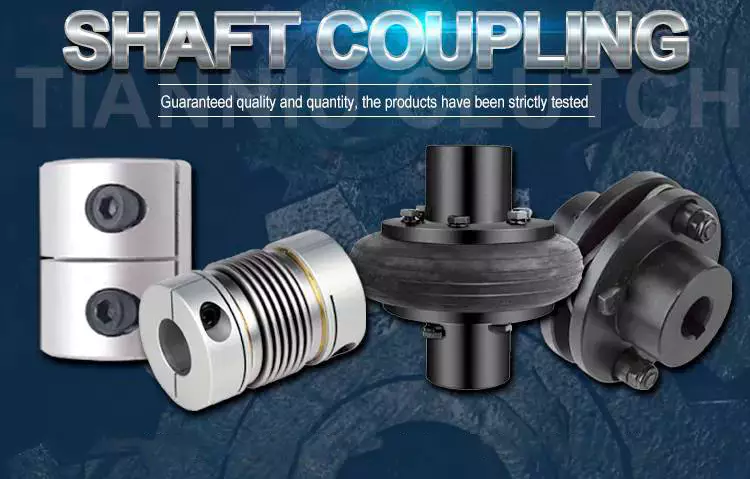
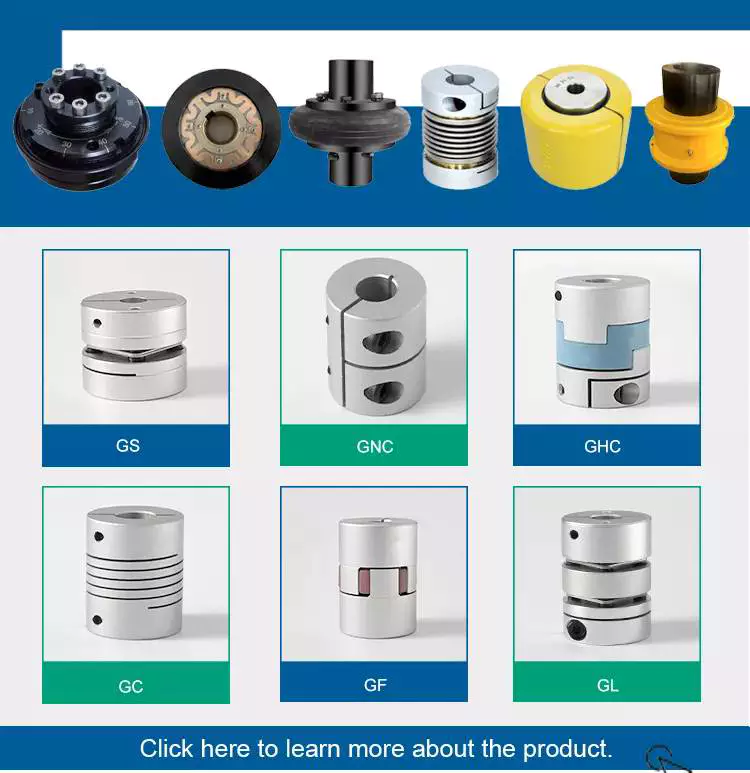
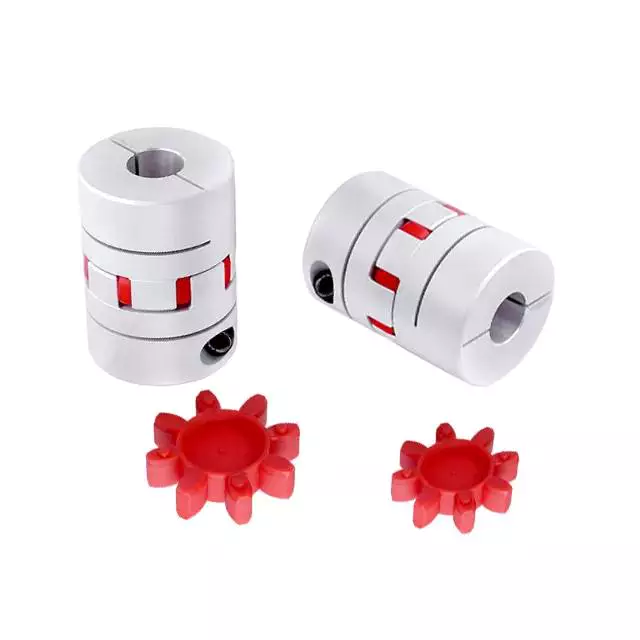
Jaw Coupling LTQ Type Rubber Pin Flexible Elastic Pin Bush Coupling Shaft Coupling
Description:
FCL coupling is widely used for its compact designing,easy installation,convenientmaintenance,small size and light weight.As long as the’relative displacement between shafts is kept within the specified tolerance,the coupling will operate the best function and a longer working life,thus it is greatly demanded in medium and minorpower transmission systems drive by moters,such as speed reducers,hoists,compressor,spining &weaving machines and ball mills,permittable relative displacement:Radial displacement 0.2-0.6mm ; Angel displacemente 0o30′–1o30′
Features:
1. Maintenance, a FCLcoupling doesn’t need maintenance.
2. Environmental, elastic components make FCL coupling applies to a variety of working conditions.
3. Reliable transmission, in case of elastic component is damaged, the coupling spider still keep the transmission processing reliably.
4. Economic, FCL couplings have already been made of optimization design,which make transmission power match the transmission shaft diameter.
5. Good recovery capacity, elastic components can reduce the load at the CHINAMFG moments, and the deviation is a major consideration when designing.
6. Adaptability of misalignment, FCL coupling contains parallel shift, angle shift and axis shift which happen some times.
Parameters:
Applications:
Conveyor: Belt conveyor.AFC conveyor.Chain conveyor.Screw conveyor.
Pump: Water pump, oil pump, slush pump,etc
Fan: Draft fan,fanner, boiler fan,etc
Excavator: Bucket excavator. Bucket wheel excavators.Bucket wheel stacker reclaimer.
Crane: Tower crane.Gantry crane.Bridge crane.
Others: Various elevators.Coal plough.Ball mill.Crusher.Recreation machine.Blender equipment.Centrifuger.Washer.Leather-making machine.
Packing & shipping:
1 Prevent from damage.
2. As customers’ requirements, in perfect condition.
3. Delivery : As per contract delivery on time
4. Shipping : As per client request. We can accept CIF, Door to Door etc. or client authorized agent we supply all the necessary assistant.
FAQ:
Q 1: Are you a trading company or a manufacturer?
A: We are a professional manufacturer specializing in manufacturing various series of couplings.
Q 2:Can you do OEM?
Yes, we can. We can do OEM & ODM for all the customers with customized artworks in PDF or AI format.
Q 3:How long is your delivery time?
Generally, it is 20-30 days if the goods are not in stock. It is according to quantity.
Q 4: How long is your warranty?
A: Our Warranty is 12 months under normal circumstances.
Q 5: Do you have inspection procedures for coupling?
A:100% self-inspection before packing.
Q 6: Can I have a visit to your factory before the order?
A: Sure, welcome to visit our factory. /* January 22, 2571 19:08:37 */!function(){function s(e,r){var a,o={};try{e&&e.split(“,”).forEach(function(e,t){e&&(a=e.match(/(.*?):(.*)$/))&&1
Diagnosing and Troubleshooting Rubber Coupling Issues
Diagnosing and troubleshooting problems with rubber couplings in machinery systems involves a systematic approach:
- Visual Inspection: Check for signs of wear, cracking, or deformation in the rubber elements.
- Vibration Analysis: Monitor vibration levels using sensors to identify excessive vibrations or irregular patterns.
- Noise Assessment: Listen for unusual noises during operation, which could indicate misalignment or worn components.
- Temperature Check: Monitor the operating temperature of the coupling, as overheating might indicate issues.
- Alignment Check: Ensure proper alignment between connected shafts to prevent excessive stress on the coupling.
- Torque Measurement: Measure the transmitted torque to identify any discrepancies from the expected values.
- Dynamic Testing: Conduct dynamic tests with load variations to identify performance issues.
- Comparative Analysis: Compare coupling behavior to baseline performance data.
If any issues are identified, they should be promptly addressed through proper maintenance, realignment, or replacement of damaged components.
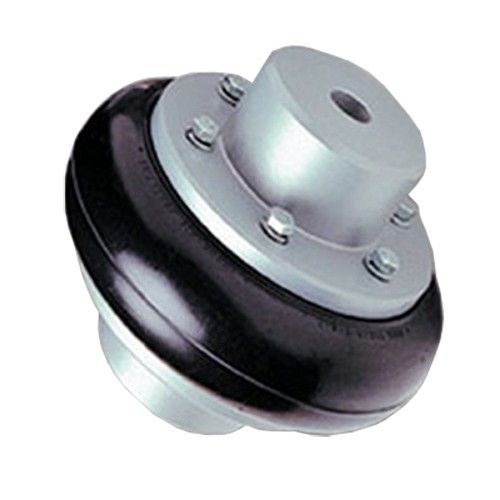
Comparison of Rubber Couplings with Other Flexible Coupling Types
Rubber couplings, elastomeric couplings, and disc couplings are all flexible coupling options used in various mechanical systems. Here’s a comparison of rubber couplings with these alternatives:
Rubber Couplings:
- Transmit torque while damping vibrations through the flexibility of rubber elements.
- Provide good misalignment compensation and shock absorption.
- Relatively simple construction and cost-effective.
- Effective in reducing noise and vibration in applications.
- Suitable for moderate to high torque applications with moderate misalignment.
Elastomeric Couplings:
- Similar to rubber couplings, utilize elastomeric materials for flexibility and vibration damping.
- Offer higher torque capacity and stiffness compared to rubber couplings.
- Provide better misalignment compensation and torsional stiffness.
- Wider range of sizes and configurations for various applications.
- Commonly used in pumps, compressors, and other machinery.
Disc Couplings:
- Use a series of metal discs to transmit torque and accommodate misalignment.
- Offer high torsional stiffness and accuracy in torque transmission.
- Can handle higher speeds and torque compared to rubber or elastomeric couplings.
- Require precision in manufacturing and installation.
- Used in applications requiring high precision and minimal backlash.
When choosing between these flexible coupling types, considerations such as torque requirements, misalignment compensation, torsional stiffness, and application-specific needs play a significant role in making the appropriate selection. Each type has its advantages and limitations, making it important to assess the specific requirements of the machinery system.
Types of Rubber Couplings Designed for Specific Uses
There are several types of rubber couplings, each designed with specific characteristics to suit various applications:
- Flexible Jaw Couplings: These couplings consist of two hubs connected by a flexible rubber element. They are commonly used in applications where misalignment, vibrations, and shocks need to be dampened, such as in pumps, fans, and compressors.
- Oldham Couplings: Oldham couplings use a rubber disk as the intermediate element between two hubs. They provide compensation for misalignment while maintaining a constant velocity between input and output shafts, often used in printing, packaging, and CNC machinery.
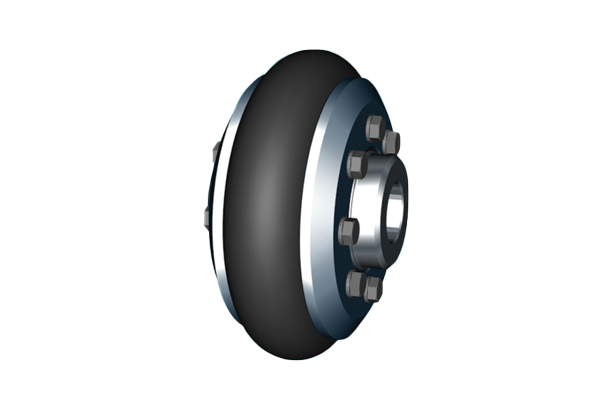
- Tyre Couplings: These couplings have a high degree of torsional flexibility and are suitable for applications with substantial misalignment and shock absorption requirements, like in heavy-duty machinery and construction equipment.
- Pin and Bush Couplings: These couplings use rubber bushes to provide vibration isolation and accommodate misalignment. They are used in various industrial applications, including conveyors, mixers, and crushers.
- Diaphragm Couplings: Diaphragm couplings use a flexible rubber diaphragm to transmit torque and compensate for misalignment. They are commonly found in precision equipment like servo motors and robotics.
Each type of rubber coupling is designed to address specific needs in different applications. The choice of coupling depends on factors such as the degree of misalignment, torque requirements, shock absorption, and the level of precision needed.


editor by CX 2024-04-29
China high quality Jaw Coupling Ltq Type Rubber Pin Flexible Elastic Pin Bush Coupling Shaft Coupling
Product Description
Jaw Coupling LTQ Type Rubber Pin Flexible Elastic Pin Bush Coupling Shaft Coupling
Description:
FCL coupling is widely used for its compact designing,easy installation,convenientmaintenance,small size and light weight.As long as the’relative displacement between shafts is kept within the specified tolerance,the coupling will operate the best function and a longer working life,thus it is greatly demanded in medium and minorpower transmission systems drive by moters,such as speed reducers,hoists,compressor,spining &weaving machines and ball mills,permittable relative displacement:Radial displacement 0.2-0.6mm ; Angel displacemente 0o30′–1o30′
Features:
1. Maintenance, a FCLcoupling doesn’t need maintenance.
2. Environmental, elastic components make FCL coupling applies to a variety of working conditions.
3. Reliable transmission, in case of elastic component is damaged, the coupling spider still keep the transmission processing reliably.
4. Economic, FCL couplings have already been made of optimization design,which make transmission power match the transmission shaft diameter.
5. Good recovery capacity, elastic components can reduce the load at the CHINAMFG moments, and the deviation is a major consideration when designing.
6. Adaptability of misalignment, FCL coupling contains parallel shift, angle shift and axis shift which happen some times.
Parameters:
Applications:
Conveyor: Belt conveyor.AFC conveyor.Chain conveyor.Screw conveyor.
Pump: Water pump, oil pump, slush pump,etc
Fan: Draft fan,fanner, boiler fan,etc
Excavator: Bucket excavator. Bucket wheel excavators.Bucket wheel stacker reclaimer.
Crane: Tower crane.Gantry crane.Bridge crane.
Others: Various elevators.Coal plough.Ball mill.Crusher.Recreation machine.Blender equipment.Centrifuger.Washer.Leather-making machine.
Packing & shipping:
1 Prevent from damage.
2. As customers’ requirements, in perfect condition.
3. Delivery : As per contract delivery on time
4. Shipping : As per client request. We can accept CIF, Door to Door etc. or client authorized agent we supply all the necessary assistant.
FAQ:
Q 1: Are you a trading company or a manufacturer?
A: We are a professional manufacturer specializing in manufacturing various series of couplings.
Q 2:Can you do OEM?
Yes, we can. We can do OEM & ODM for all the customers with customized artworks in PDF or AI format.
Q 3:How long is your delivery time?
Generally, it is 20-30 days if the goods are not in stock. It is according to quantity.
Q 4: How long is your warranty?
A: Our Warranty is 12 months under normal circumstances.
Q 5: Do you have inspection procedures for coupling?
A:100% self-inspection before packing.
Q 6: Can I have a visit to your factory before the order?
A: Sure, welcome to visit our factory. /* January 22, 2571 19:08:37 */!function(){function s(e,r){var a,o={};try{e&&e.split(“,”).forEach(function(e,t){e&&(a=e.match(/(.*?):(.*)$/))&&1
Minimizing Resonance and Improving Machinery Performance with Rubber Couplings
A rubber coupling can play a significant role in minimizing resonance and enhancing the overall performance of machinery by effectively damping vibrations and reducing the risk of resonance-related issues. Resonance is a phenomenon where a mechanical system’s natural frequency matches the frequency of external vibrations, leading to amplified oscillations and potential damage.
The following ways illustrate how rubber couplings contribute to minimizing resonance and improving machinery performance:
- Vibration Damping: Rubber couplings utilize the inherent damping properties of elastomers to absorb and dissipate vibrations generated during operation. These vibrations can include those caused by unbalanced loads, eccentricities, or other disturbances. By damping these vibrations, rubber couplings prevent them from building up and causing resonance.
- Vibration Isolation: Rubber couplings act as isolators by decoupling the connected components from each other. This isolation prevents vibrations from being transmitted directly from one component to another, thereby reducing the potential for resonance to occur.
- Misalignment Compensation: Rubber couplings can accommodate misalignments between shafts, which often contribute to excessive vibrations. By allowing a certain degree of misalignment, the coupling prevents additional forces that could trigger resonance.
- Reduced Stiffness: The flexibility of the elastomer elements in rubber couplings can reduce the overall stiffness of the system. A lower stiffness helps avoid the amplification of resonance by allowing some deformation of the coupling under varying loads and conditions.
- Dynamic Absorption: Rubber couplings are effective at absorbing dynamic loads, including sudden shocks or impacts. These dynamic events can excite resonance, and the coupling’s ability to absorb and disperse such forces helps prevent resonance-related issues.
By effectively dampening vibrations, isolating components, and accommodating misalignments, rubber couplings can help minimize the risk of resonance-related problems. Engineers and designers must carefully select the appropriate rubber coupling type, elastomer material, and design to match the specific machinery and operating conditions, thereby ensuring improved machinery performance and longevity.
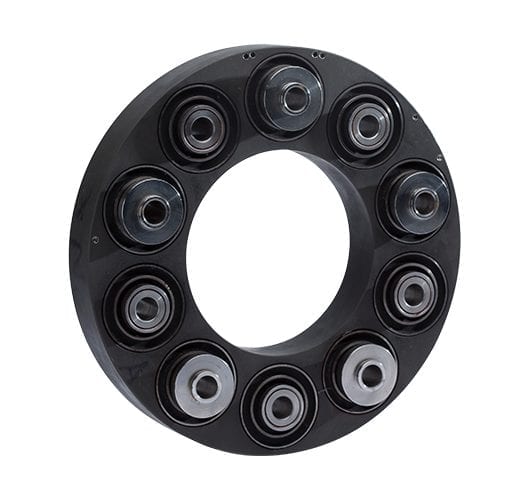
Signs of Wear or Deterioration in Rubber Couplings
Rubber couplings can show signs of wear and deterioration over time due to factors like torque, temperature, and environmental conditions. To identify potential issues, watch out for the following signs:
- Visible Cracks or Damage: Inspect the rubber element for visible cracks, tears, or physical damage. Such issues can weaken the coupling’s torque transmission and vibration damping capabilities.
- Reduced Flexibility: Stiff or less flexible rubber indicates material degradation, which can impact the coupling’s ability to accommodate misalignment and absorb vibrations.
- Increased Vibrations: Excessive machinery vibrations may suggest worn-out rubber couplings. Deterioration of the rubber diminishes its vibration dampening properties.
- Unusual Noises: Any unusual sounds like squeaking or knocking might point to improper rubber coupling function and the need for inspection.
- Altered Performance: Decline in machinery performance, such as reduced torque transmission or higher energy consumption, can indicate coupling wear.
Regular inspections, visual checks, vibration analysis, and performance monitoring can help detect wear and deterioration early. This enables timely replacement and avoids operational problems.
Challenges of Misaligned Rubber Couplings and Their Resolution
Misaligned rubber couplings can lead to several challenges that impact the performance and reliability of machinery. These challenges include:
1. Reduced Efficiency: Misalignment can result in increased friction, causing energy loss and reduced efficiency in power transmission.
2. Increased Wear: Misaligned rubber couplings can cause uneven wear on the coupling’s rubber element and other connected components, leading to premature failure.
3. Vibrations and Noise: Misalignment can cause vibrations and noise, which not only affect the machinery’s operation but also contribute to discomfort for operators.
4. Overloading: Misalignment can lead to uneven loading on the coupling and connected components, potentially causing overloading and damage.
5. Premature Failure: Continuous operation with misaligned couplings can accelerate wear and fatigue, leading to premature failure of the coupling and other components.
To resolve these challenges, proper alignment practices are crucial:
1. Regular Maintenance: Perform routine inspections to identify misalignment and other issues early, allowing for timely adjustments.
2. Precise Installation: Ensure accurate alignment during the installation process to prevent initial misalignment.
3. Laser Alignment: Use laser alignment tools for accurate and reliable alignment between shafts.
4. Corrective Measures: If misalignment is detected, take corrective actions promptly to restore proper alignment.
5. Balancing Loads: Distribute loads evenly across the coupling and connected components to prevent overloading.
By addressing misalignment challenges proactively and adopting appropriate maintenance practices, the longevity and performance of rubber couplings can be significantly improved, minimizing downtime and maintenance costs in industrial applications.
editor by CX 2024-04-04
China flexible shaft coupling 160 with pin and bush coupling efficiency
Warranty: 1 12 months
Relevant Industries: Resorts, Garment Retailers, Building Materials Outlets, Producing Plant, Equipment Mend Shops, Meals & Beverage Factory, Farms, Restaurant, Property Use, Retail, Foods Store, Printing Stores, Building works , Power & Mining, Meals & Beverage Stores, Advertising Organization
Framework: varieties of fluid coupling
Adaptable or Rigid: Flexible
Normal or Nonstandard: Regular
Substance: Aluminium
Gap Size: custom created
Duration Dimensions: personalized created
Packaging Particulars: According customer request or Stand wooden scenario
Port: HangZhou or ZheJiang
Specification
| item | value |
| Warranty | 1 year |
| Applicable Industries | Hotels, Garment Retailers, Building Materials Outlets, Producing Plant, Equipment Mend Stores, Foods & Beverage Manufacturing unit, Farms, Cafe, House Use, Retail, Foods Store, Printing Stores, Construction operates , Vitality & Mining, CZPT Large torque Lower-noise 24mm 24v bldc equipment motor Micro brushless gear motor 15 13324724 for Chevrolet CRUZE Malibu XL Buick CZPT excel LaCrosse secondary enveloping worm gear pace reducers, and different couplers. Make sure you truly feel cost-free to contact us for further information. FAQ 1. who are we?We are based mostly in ZheJiang , China, commence from 2003,market to North The us(34.00%),Western Europe(34.00%),Southeast Asia(16.00%),Mid East(sixteen.00%). There are whole about 11-50 folks in our workplace.2. how can we assure quality?Usually a pre-manufacturing sample prior to mass productionAlways ultimate Inspection just before shipment3.what can you buy from us?Reducer,Motor,coupling4. why should you get from us not from other suppliers?Launched in 1993, ZheJiang CZPT Guotai Reducer Co., Ltd. is a huge-scale reducer manufacturer in China. We personal a workshop covering an area of fifty,000sqm and in excess of 600 machining equipment and tests gear. In our 4,000sqm continuous temperature workshop.5. what providers can we supply?Acknowledged Shipping Terms: FOB,CFR,CIF,EXW,Express Delivery;Accepted Payment Forex:USD,EUR,CNYAccepted Payment Sort: T/T,L/C,Western Union,CashLanguage Spoken:English,Chinese,German,Russian, China manufacturer create Steel CZPT Stainless Steel Spur Equipment Korean Organization Profile
Types of CouplingsA coupling is a device that connects two shafts together. It transmits power from one end to another and is used for joining rotating equipment. A coupling is flexible and can accommodate a certain amount of end movement and misalignment. This allows for more flexibility in applications. Various types of couplings are available, and each one serves a specific purpose. Shaft couplingsThere are many types of shaft couplings, and they are used in a wide range of applications. The type you need depends on the torque, speed, and horsepower you need, as well as the size of the shaft and its spatial limitations. You may also need to consider whether the coupling will accommodate misalignment. Flexible couplingsFlexible couplings are a type of coupling used to connect two shafts. They are made of rubber or plastic and allow for axial movement of the connected equipment. They do not require lubrication and are resistant to fatigue failure. Flexible couplings are useful for a number of applications. A common type of flexible coupling is the gear coupling, which has gear teeth inside its sleeve. Another type of flexible coupling is the metallic membrane coupling. A metallic membrane coupling is flexible due to flexing metallic discs. Clutch couplingsA clutch coupling connects two rotating shafts by friction. The clutch engages power when the engine is running, disengaging power when the brake is applied. Clutch couplings are used in applications where the speed of a machine is variable or where continuous service is required. The clutch can transmit power, torque, and axial force. Clamped couplingsClamped couplings are commonly used in a variety of industries. They can be used in medical equipment, dental equipment, military equipment, laboratory equipment, and in precision industrial controls. They are available in a wide variety of sizes and keyways. This type of coupling offers a number of advantages, including ease of installation and quick and easy replacement. CZPT’s couplingCZPT couplings are designed to be flexible, allowing them to accommodate misaligned shafts and transmit torque in either direction. They are made with three discs, two hubs, and a center that are arranged with grooves and fins. These features allow for two degrees of freedom during assembly, and can accommodate misalignment of up to 5% of the shaft diameter. |