Product Description
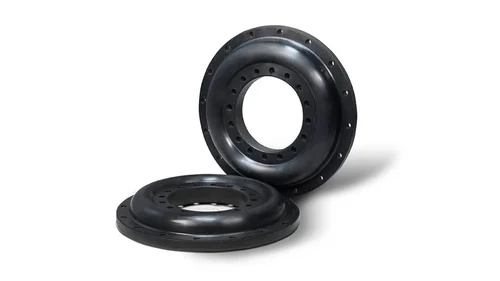
Air Compressor Parts Shaft Rubber Flexible Coupling 16136885 2906571 290657100
Part number 1
HRC150
Part number 2
HRC180
Part number 3
HRC230
Part number 4
HRC280
Part number 5
1615-4362-00
Part number 6
1613958500
Part number 7
1615436200
Part number 8
290657100
Part number 9
295711601
Part number 10
1615418409
Part number 11
1613688500
Material
Plastic
HS Code
8421310000
Transport Package
Netural packing or according to client requirements
Company Profile
FAQ
1.Are you a factory or trading company?
HangZhou Sange Filter Co.,Ltd is a professional filters manufacturer/factory, specialized in filters field for 12 years.
2.Can I mix different items in 1 container?
Yes, different items can be mixed up in 1 full container.
3. What is your terms of payment?
T/T 30% as deposit, and balance paid before delivery(We’ll show you the all pictures of the products and packages before paying the balance)
4.How about your delivery time and delivery item?
Generally, it will take 5 to 7 working days after receiving your advance payment. The specific delivery time depends on the quantity of your order.
Deliver item:DDP
5.Can you produce according to the samples?
Yes, we can produce by your samples or drawings.
6.What is your sample policy?
We have 2 kinds of samples.
1) Free sample : Sample is free for the standard product, customer only pay courier cost.
2) Charged sample : for the customized product, the customer should pay both sample and courier fees.
3)Other negotiable situation.
7. Do you test all your goods before delivery?
A: Yes, we will have 100% test and double check before delivery.
8. How do you make our business long-term and good relationship?
(1) We keep good quality and competitive price to ensure our customers benefit ;
(2) We respect every customer as our friend and we sincerely do business and make friends with them, no matter where they come from.
9.After -sales service
We have QC department to guarantee the quality before delivery, If the products have any quality problems, our company will be responsible for it.
Besides, we can provide certificate as per different regions and countries required.
10.What kind of package?
Neutral brown carton cases or customized carton cases as your requirements.
Suitability of Rubber Couplings for High-Speed Rotation and Varying Loads
Rubber couplings are generally well-suited for applications involving high-speed rotation and varying loads, thanks to their unique properties and design features.
High-Speed Rotation: Rubber couplings can effectively handle high-speed rotation due to their inherent flexibility and damping characteristics. The elastomeric material used in rubber couplings helps absorb and dissipate vibrations that can occur at high speeds, contributing to smoother operation and reduced wear on connected machinery components.
Varying Loads: Rubber couplings are capable of accommodating varying loads due to their ability to deform under stress. The flexibility of rubber allows it to absorb shocks and impacts caused by changes in load, preventing damage to connected equipment. This feature is particularly beneficial in applications where sudden changes in load can occur, such as in industrial machinery.
However, it’s important to consider the specific requirements of the application. While rubber couplings provide excellent vibration isolation and misalignment compensation, they may not offer the same level of torsional rigidity as some other coupling types. In cases where precise torque transmission is crucial, and minimal torsional deflection is required, other coupling options might be more suitable.
Overall, rubber couplings can provide reliable performance in applications involving high-speed rotation and varying loads, especially when the benefits of vibration damping and misalignment compensation are essential.
Industry Standards and Guidelines for Rubber Couplings
There are no specific industry standards or guidelines that exclusively govern the design and application of rubber couplings. However, various general standards and engineering practices apply to flexible couplings, including rubber couplings:
- ISO 14691: This standard provides guidelines for the installation, use, and maintenance of industrial flexible couplings, which include rubber couplings.
- AGMA 9005: The American Gear Manufacturers Association (AGMA) standard provides information on selecting lubricants and lubrication methods for flexible couplings, ensuring proper performance and longevity.
- API 671: This API standard specifies the requirements for special-purpose couplings used in petroleum, chemical, and gas industry services, which can include rubber couplings for specific applications.
- Manufacturer Recommendations: Many rubber coupling manufacturers provide guidelines, specifications, and installation instructions for their products, helping users select the right coupling and use it correctly.
Since rubber couplings fall under the category of flexible couplings, engineers and designers can follow these broader standards and best practices while considering the specific characteristics and performance requirements of rubber couplings for their applications.
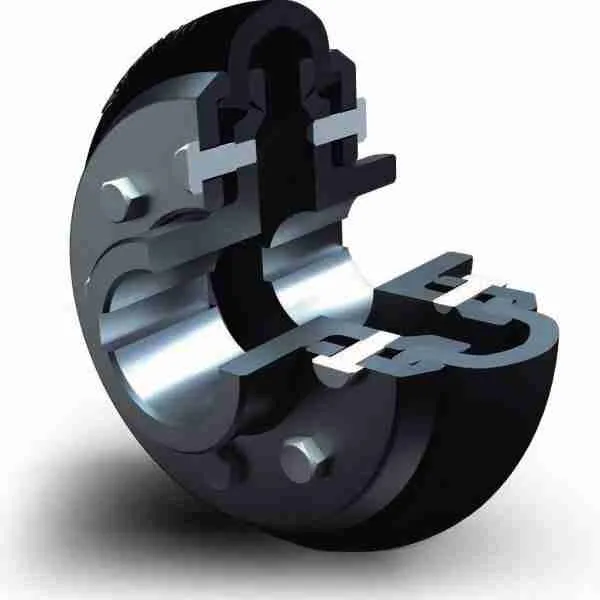
Factors to Consider When Selecting a Rubber Coupling
Choosing the right rubber coupling for a specific application involves considering various factors:
1. Torque Requirements: Evaluate the torque that needs to be transmitted between the input and output shafts. Select a coupling with a rubber element that can handle the required torque without exceeding its limits.
2. Misalignment Compensation: Determine the degree of misalignment (angular, axial, and radial) present in the system. Choose a rubber coupling with appropriate flexibility to accommodate the expected misalignment while maintaining efficient torque transmission.
3. Vibration Damping: Assess the level of vibrations and shocks in the application. Opt for a rubber coupling with effective vibration-damping properties to protect the machinery and enhance its reliability.
4. Service Environment: Consider the operating conditions, including temperature, humidity, exposure to chemicals, and potential contaminants. Select a rubber material that can withstand the environment without deteriorating.
5. Shaft Sizes: Ensure that the coupling’s bore sizes match the shaft diameters of the connected equipment. Proper shaft fitment is crucial for efficient torque transmission.
6. Maintenance Requirements: Evaluate the maintenance practices of the system. Some rubber couplings may require periodic inspection and replacement due to wear over time.
7. Cost and Budget: Factor in the budget constraints while choosing a suitable rubber coupling. Balancing performance and cost is essential for an optimal solution.
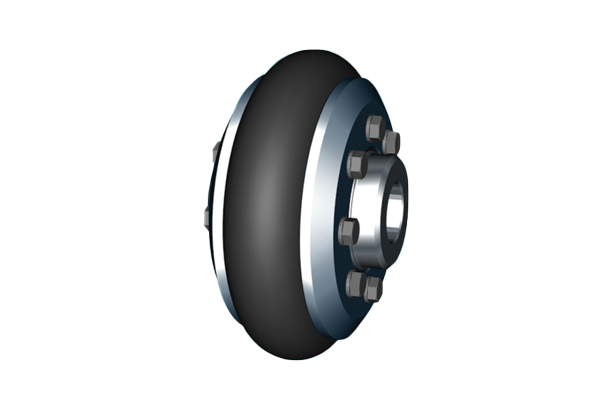
8. Application Type: Different industries and applications have unique requirements. Choose a coupling type (spider, jaw, tire, etc.) based on the specific needs of the application.
By carefully considering these factors, you can select a rubber coupling that provides efficient torque transmission, vibration isolation, and durability in your mechanical system.


editor by CX 2023-11-16
China supplier Rge14-90 Flexible Rubber Shaft Jaw Steel Coupling for Auto Parts
Product Description
Quick Details
| Applicable Industries:
Building Material Shops, Manufacturing Plant, Machinery Repair Shops, Food & Beverage Factory, Construction works , Energy & Mining, Other |
Customized support:
OEM, ODM |
| Type:Jaw Coupling | Surface treatment: BLACK |
| Place of Origin:ZheJiang , China | Brand Name:REACHJY, REACHJY |
| Application:transmission | |
| Certification:Reach | |
Diagnosing and Troubleshooting Rubber Coupling Issues
Diagnosing and troubleshooting problems with rubber couplings in machinery systems involves a systematic approach:
- Visual Inspection: Check for signs of wear, cracking, or deformation in the rubber elements.
- Vibration Analysis: Monitor vibration levels using sensors to identify excessive vibrations or irregular patterns.
- Noise Assessment: Listen for unusual noises during operation, which could indicate misalignment or worn components.
- Temperature Check: Monitor the operating temperature of the coupling, as overheating might indicate issues.
- Alignment Check: Ensure proper alignment between connected shafts to prevent excessive stress on the coupling.
- Torque Measurement: Measure the transmitted torque to identify any discrepancies from the expected values.
- Dynamic Testing: Conduct dynamic tests with load variations to identify performance issues.
- Comparative Analysis: Compare coupling behavior to baseline performance data.
If any issues are identified, they should be promptly addressed through proper maintenance, realignment, or replacement of damaged components.
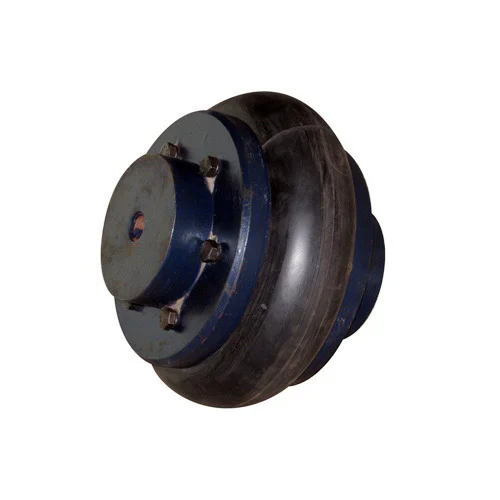
Common Rubber Materials Used in Manufacturing Rubber Couplings
Various rubber materials are used in the manufacturing of rubber couplings, each chosen based on its specific properties and the intended application:
- Neoprene: Known for its oil and chemical resistance, neoprene rubber is used in couplings that require durability and resistance to harsh environments.
- Nitrile: Nitrile rubber offers excellent oil and fuel resistance, making it suitable for applications in machinery that involve contact with lubricants.
- Natural Rubber: Natural rubber provides good elasticity and flexibility, making it suitable for couplings requiring high levels of shock and vibration absorption.
- EPDM: Ethylene Propylene Diene Monomer (EPDM) rubber offers good resistance to weather, ozone, and aging, making it suitable for outdoor or high-temperature applications.
- Polyurethane: Polyurethane rubber offers high abrasion resistance and can handle higher load capacities, making it suitable for heavy-duty applications.
The choice of rubber material depends on factors such as the operating environment, chemical exposure, temperature range, flexibility requirements, and load conditions. Engineers select the appropriate rubber material to ensure the coupling’s performance and longevity in specific applications.
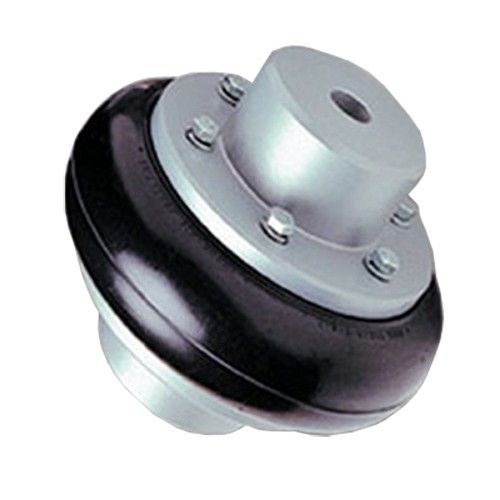
Main Advantages of Using Rubber Couplings in Industrial Applications
Rubber couplings offer several key advantages when used in industrial applications. These advantages make them a popular choice for various industries and mechanical systems:
- Misalignment Tolerance: Rubber couplings can accommodate angular, parallel, and axial misalignments between connected shafts, reducing the need for precise alignment during installation and operation.
- Vibration Damping: The rubber elements of these couplings absorb and dampen vibrations, minimizing the transmission of vibrations and shocks to other components. This helps prevent damage, wear, and noise generation.
- Shock Absorption: In systems where sudden shocks or impacts occur, rubber couplings absorb and cushion the impact, protecting connected components from damage.
- Noise Reduction: The ability to dampen vibrations also contributes to noise reduction, creating quieter operation environments for machinery and equipment.
- Equipment Protection: Rubber couplings protect sensitive equipment from excessive loads, vibrations, and shocks, enhancing the longevity and reliability of the system.
- Cost-Effectiveness: Compared to some other coupling types, rubber couplings are generally cost-effective to manufacture, purchase, and maintain.
- Easy Installation: The flexibility and design of rubber couplings make them relatively easy to install without the need for specialized tools or complex procedures.
- Minimal Maintenance: Rubber couplings require minimal maintenance and lubrication, reducing downtime and maintenance costs.
- Wide Range of Applications: Rubber couplings are versatile and find applications in various industries, including automotive, power generation, pumps, conveyors, and more.
In summary, the main advantages of using rubber couplings in industrial applications include their ability to tolerate misalignment, dampen vibrations, absorb shocks, reduce noise, protect equipment, cost-effectiveness, easy installation, low maintenance requirements, and suitability for a wide range of applications.
editor by CX 2023-09-27
China SWC-WF Industrial Parts Cardan Shaft for Rolling Mill coupling capacitance
Framework: Common
Flexible or Rigid: Adaptable
Standard or Nonstandard: Normal
Substance: Metal
Design Quantity: SWC-WF
Certification: ISO9001:2008
Packaging Particulars: 1. Wrap by Plastic movie then water-resistant paper, last but not least the wooden case. 2. One carton packing was specially for tiny piece. 3. In accordance to clients’ requirement.
Port: ZheJiang port, China
Common description
A common joint, (universal coupling, U-joint, Cardan joint, Hardy-Spicer joint, or Hooke’s joint) is a joint or coupling in a rigid rod that allows the rod to ‘bend’ in any path, and is frequently utilised in shafts that transmit rotary movement. It is made up of a pair of hinges found near together, oriented at 90° to every other, linked by a cross shaft. The universal joint is not a continual velocity joint.
No equipment aspect other than a cardan shaft allows electrical power transmission of torque in between specifically offset driving and driven shafts whose position can be modified during procedure.
Spatial angular movement and alterations of axial length are ensured by innovative constructional factors.
Thus, cardan shafts have grow to be an indispensable transmission ingredient in automotive engineering and market.
Cardan shafts offer
##### » multifunctional application
##### » superb efficiency
##### » Flex coupling with spider utilized in between motor and reducer substantial trustworthiness
##### » low servicing
##### » effortless use
They are an integral element in virtually all industries with mechanical drives.
Influence oneself that our goods will resolve your generate difficulties to your complete gratification.
Selection and use of cardan shafts
Cardan shafts currently being utilised for various applications. So it is unattainable to select their dimensions and forecast their life span with trustworthy accuracy with just 1 standard rule. The common failure possibilities for roller bearings implement to cardan shafts as effectively.
The measurement of the cardan shaft ought to be decided on so that its optimum momentary torque ranking, is not more compact than the greatest torque to be transmitted in your application. Additionally parameters like deflection angle, pace, size, running conditions (kind of travel, temperature, dust and so forth.) ought to be deemed. Therefore remember to refer to our technical questionnaire. Our specialists will assess your information presented in this questionnaire, to uncover the best option for your application. If you want more in depth calculations like figuring out lifetime, steadiness etc. make sure you get in touch with us.
Installation directions
All anti- corrosion paint must be taken off cautiously from the cardan shaft flanges just before the shaft is put in. Anti- corrosion agent on the cardan mounting flanges decreases frictional adhesion (not with flange yokes with staggered tooth arrangement).
Cardan shaft upkeep
It is required to grease the transferring parts of a cardan shaft at particular intervals to eliminate employed lubricant and international make a difference, if any, and replenishing the lubricant.
Lubrication is essential following cleaning with high force or a steam jet.
General notes
» The set up of cardan shafts calls for experience and cautious workmanship!
» Substitute CZPT type TS-A adaptable jaw coupling Be sure to comply with manufacturer’s instructions forinstallation and repair.
» Components to be mounted in common drives should bein best operating buy and accepted for the distinct application in hand.
» Make certain that cardan shaft locating centres are properly seated and that the flange surfaces are in excellent speak to!
» The operation ratings must in no way be exceeded.
» Do not use large stress (h2o, stream, air) for cleansing to avert hurt of the bearings and sealings!
Particular item description
SWC common coupling/joint is primarily utilised in rolling milll,hoisting and other large machinery.
| Type | D | Nominal torque | Weary torque | Angle | Lmin | Done | Dtwo | D3 | Lm |
| Tn/ | f/ | β/ | (js11) | (H7) | |||||
| kN·m | kN·m | (°)≤ | |||||||
| SWC180WF | one hundred eighty | 12.5 | six.3 | 25 | 560 | one hundred fifty five | one hundred and five | 114 | 110 |
| SWC225WF | 225 | forty | 20 | 15 | 610 | 196 | one hundred thirty five | 152 | a hundred and twenty |
| SWC250WF | 250 | 63 | 31.5 | fifteen | 715 | 218 | 150 | 168 | 140 |
| SWC285WF | 285 | 90 | 45 | fifteen | 810 | 245 | one hundred seventy | 194 | one hundred sixty |
| SWC315WF | 315 | 125 | sixty three | fifteen | 915 | 280 | 185 | 219 | one hundred eighty |
| SWC350WF | 350 | a hundred and eighty | ninety | 15 | 980 | 310 | 210 | 267 | 194 |
| SWC390WF | 390 | 250 | 125 | fifteen | 1100 | 345 | 235 | 267 | 215 |
| SWC440WF | 440 | 355 | one hundred eighty | 15 | 1290 | 390 | 255 | 325 | 260 |
| SWC490WF | 490 | 500 | 250 | fifteen | 1360 | 435 | 275 | 325 | 270 |
| SWC550WF | 550 | 710 | 355 | fifteen | 1510 | 492 | 320 | 426 | 305 |
| SWC620WF | 620 | a thousand | five hundred | fifteen | 1690 | 555 | 380 | 426 | 340 |
Types of Couplings
A coupling is a device that connects two shafts and transmits power from one to the other. Its main purpose is to join two pieces of rotating equipment. It also allows for some degree of misalignment or end movement. Here are a few examples of coupling types: Beam coupling, Flexible coupling, Magnetic coupling, and Shaft coupling.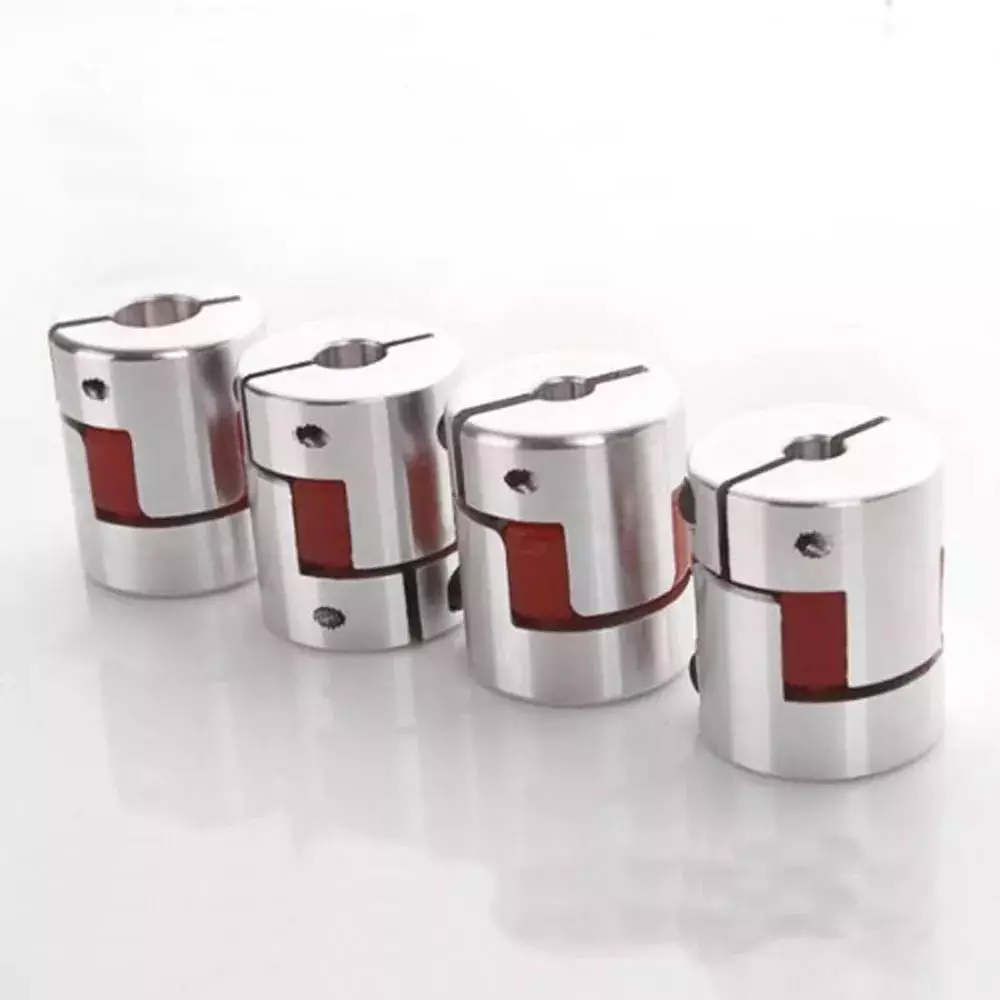
Beam coupling
Beam couplings are used to couple motors and other devices. They are available in several types, including flexible, slit, and rigid beam couplings. Each has unique properties and characteristics. These couplings are best for applications requiring a high level of precision and long life. They are also a practical solution for the connection of stepping and servo motors with screw rods.
Beam couplings are usually made of stainless steel or aluminum alloy, and feature spiral and parallel cut designs. Multiple cuts allow the coupling to accommodate multiple beams and improve angular and parallel misalignment tolerances. Additionally, beam couplings are comparatively cheaper than other types of rotary joints, and they require minimal maintenance.
The materials of a beam coupling should be considered early in the specification process. They are typically made of aluminum or stainless steel, but they can also be manufactured from Delrin, titanium, and other engineering grade materials. Beam couplings are often available in multiple sizes to fit specific shaft diameters.
Beam couplings are a key component of motion control systems. They provide excellent characteristics when used properly, and they are a popular choice for many applications. A thorough understanding of each type of coupling will help to prevent coupling failure and enhance system performance. Therefore, it is important to choose the right coupling for your application.
Various types of beam couplings have unique advantages and disadvantages. The FCR/FSR design has two sets of three beams. It is available in both metric and inch shaft sizes. The FCR/FSR couplings are ideal for light-duty power transmission applications. A metric shaft is more suitable for these applications, while an inch shaft is preferred for heavier duty applications.
Two types of beam couplings are available from Ruland. The Ruland Flexible beam coupling has a multi-helical cut design that offers a greater flexibility than commodity beam couplings. This design allows for higher torque capabilities while minimizing wind-up. In addition, it is also more durable than its commodity counterparts.
Flexible coupling
A flexible coupling is a versatile mechanical connection that allows for the easy coupling of two moving parts. The design of these couplings allows for a variety of stiffness levels and can address a variety of problems, such as torsional vibrations or critical speed. However, there are a number of tradeoffs associated with flexible couplings.
One of the biggest issues is the installation of the coupling, which requires stretching. This problem can be exacerbated by cold temperatures. In such a case, it is vital to install the coupling properly. Using a gear clamp is one of the most important steps in a successful installation. A gear clamp will keep the coupling in place and prevent it from leaking.
Another common type of flexible coupling is the gear coupling. These couplings are composed of two hubs with crowned external gear teeth that mesh with two internally splined flanged sleeves. The massive size of the teeth makes them resemble gears. Gear couplings offer good torque characteristics but require periodic lubrication. These couplings can also be expensive and have a limited number of applications.
Another type of flexible coupling is the SDP/SI helical coupling. These couplings can accommodate axial motion, angular misalignment, and parallel offset. This design incorporates a spiral pattern that makes them flexible. These couplings are available in stainless steel and aluminum.
A flexible coupling has a wide range of applications. Generally, it is used to connect two rotating pieces of equipment. Depending on its design, it can be used to join two pieces of machinery that move in different directions. This type of coupling is a type of elastomeric coupling, which has elastic properties.
There are many types of flexible couplings available for different types of applications. The purpose of a flexible coupling is to transmit rotational power from one shaft to another. It is also useful for transmitting torque. However, it is important to note that not all flexible couplings are created equally. Make sure to use a reputable brand for your coupling needs. It will ensure a reliable connection.
The simplest and most commonly used type of flexible coupling is the grid coupling. This type of coupling uses two hubs with slotted surfaces. The steel grid is allowed to slide along these slots, which gives it the ability to flex. The only limitation of this type of coupling is that it can only tolerate a 1/3 degree misalignment. It can transmit torques up to 3,656 Nm.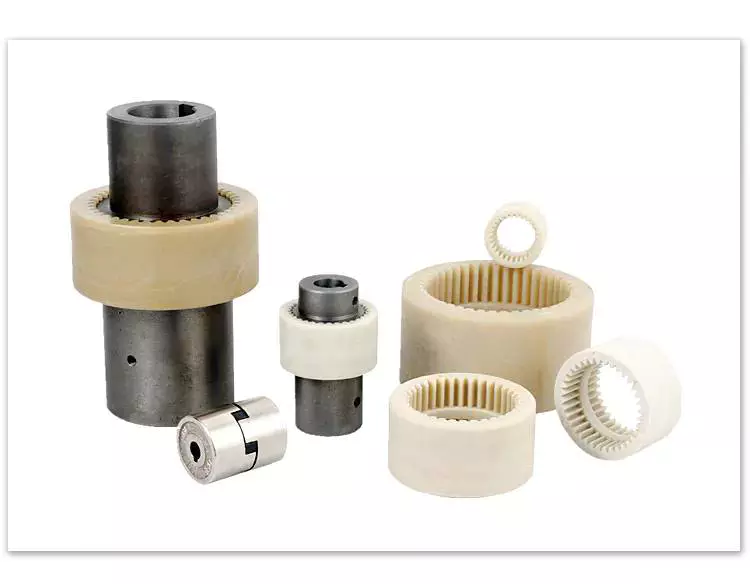
Magnetic coupling
Magnetic coupling is a technique used to transfer torque from one shaft to another using a magnetic field. It is the most common type of coupling used in machinery. It is highly effective when transferring torque from a rotating motor to a rotating shaft. Magnetic couplings can handle high torques and high speeds.
Magnetic coupling is described by the energy difference between a high-spin state and a broken symmetry state, with the former being the energy of a true singlet state. In single-determinant theories, this energy difference is called the Kij. Usually, the broken-symmetry state is a state with two interacting local high-spin centers.
The magnetic coupling device is regarded as a qualitative leap in the reaction still industry. It has solved a number of problems that had plagued the industry, including flammability, explosiveness, and leakage. Magnetic couplings are a great solution for many applications. The chemical and pharmaceutical industries use them for various processes, including reaction stills.
Magnetic couplings are a good choice for harsh environments and for tight spaces. Their enclosed design keeps them fluid and dust-proof. They are also corrosion-resistant. In addition, magnetic couplings are more affordable than mechanical couplings, especially in areas where access is restricted. They are also popular for testing and temporary installations.
Another use for magnetic coupling is in touch screens. While touch screens use capacitive and resistive elements, magnetic coupling has found a cool new application in wireless charging. While the finger tracking on touch screens may seem like a boley job, the process is very sensitive. The devices that use wireless charging need to have very large coils that are locked into resonant magnetic coupling.
Magnetic couplings also help reduce hydraulic horsepower. They cushion starts and reduce alignment problems. They can also improve flow in oversized pumps. A magnetic coupling with an 8 percent air gap can reduce hydraulic HP by approximately 27 percent. In addition, they can be used in aggressive environments. They also help reduce repair costs.
Magnetic couplings are a great choice for pumps and propeller systems because they have the added advantage of being watertight and preventing shaft failure. These systems also have the benefit of not requiring rotating seals.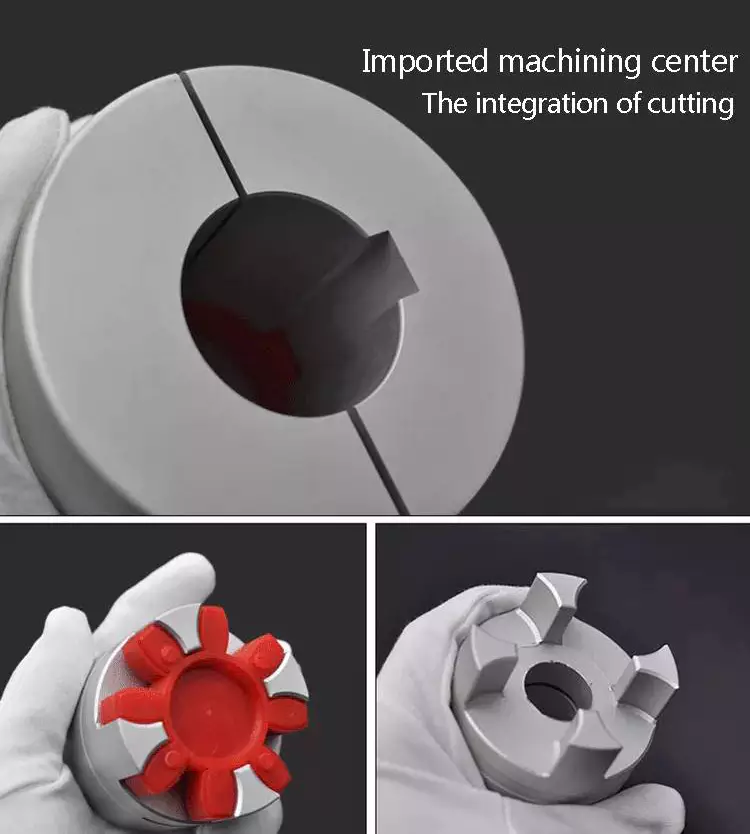
Shaft coupling
A shaft coupling joins two shafts and transmits rotational motion. Generally, shaft couplings allow for some degree of misalignment, but there are also torque limiters. Selecting the right coupling can save you time and money and prevent equipment downtime. Here are the main features to consider when purchasing a coupling for your application.
Shaft couplings should be easy to install and disassemble, transmit full power to the mated shaft, and reduce shock loads. A shaft coupling that does not have projecting parts should be used for machines that move or rotate at high speeds. Some types of shaft couplings are flexible while others are rigid.
Shaft couplings can be used in a variety of applications, including piping systems. They can be used to connect shafts that are misaligned and help maintain alignment. They can also be used for vibration dampening. Shaft couplings also allow shafts to be disconnected when necessary.
Shaft couplings can accommodate a certain amount of backlash, but this backlash must be well within the tolerance set by the system. Extremely high backlash can break the coupling and cause excessive wear and stress. In addition, excessive backlash can lead to erratic alignment readings. To avoid these issues, operators must reduce backlash to less than 2deg.
Shaft couplings are often referred to by different names. Some are referred to as “sliced” couplings while others are known as “slit” couplings. Both types offer high torque and torsional stiffness. These couplings are typically made from metals with various alloys, such as acetal, stainless steel, or titanium.
CZPT Pulley produces shaft couplings for a variety of applications. These products are used in high-power transmission systems. They have several advantages over friction couplings. In addition to minimizing wear, they don’t require lubrication. They are also capable of transmitting high torque and high speeds.
Another type of shaft coupling is the universal coupling. It is used to transmit power to multiple machines with different spindles. Its keyed receiving side and flanges allow it to transmit power from one machine to another.
editor by czh 2023-03-20
China Ever-power Group shaft transmission parts Cross Universal Coupling flexible coupling Heavy-duty Machinery joint coupling coupling and repulsion
Guarantee: 1 several years, 1 Yr
Relevant Industries: Accommodations, Garment Stores, Building Materials Shops, Production Plant, Equipment Fix Retailers, Foods & Beverage Factory, Farms, Cafe, Residence Use, Retail, Car components interior package manufacturing unit sale deal with adhere soft gear knob protect gear established Foodstuff Shop, Printing Outlets, Design works , Energy & Mining, Meals & Beverage Retailers, Advertising and marketing Business
Customized help: OEM
Composition: Universal
Versatile or Rigid: Adaptable
Common or Nonstandard: Standard
Content: Steel, 45 Metal/Stainless Metal/forty two CrMo
Color: Personalized
MOQ: 1 Pcs
Software: Industrial Tools
Surface Remedy: Blackening/Printing/Nitridation
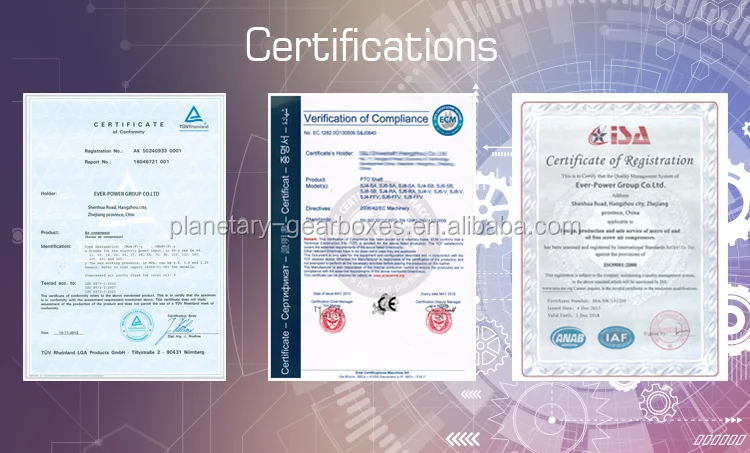
Certification: ISO9001
Packing: Normal Packing
Bore dimensions of hubs: Custom-made
Packaging Details: Picket cage or regular exporting bundle
Port: HangZhou or other major ports in China
At any time-electrical power Team shaft transmission elements Cross Universal Coupling adaptable coupling Hefty-responsibility Machinery joint coupling
| Merchandise Identify | At any time-energy Team shaft transmission elements Cross Common Coupling flexible coupling Weighty-obligation Machinery joint coupling |
| DN mm | 225~1312mm |
| Rated Torque | 2000~11950000N·m |
| Allowable velocity | 1500~3000 RPM |
| Material | 35CrMo/ZG270/forty five# steel/Aluminum alloy |
| Software | Widely utilised in metallurgy, mining, engineering and other fields. |
Merchandise present
Company Info Tools
Application SituationNormal situation of diaphragm coupling used to variable frequency velocity handle gear
JMB sort coupling is used to HangZhou Oilfield Thermal Electrical power Plant
In accordance to the specifications of HangZhou Electric Electrical power Corporation, HangZhou Oilfield Thermal Electrical power Plant must dynamically change the power technology in accordance to the load of the electrical power grid and marketplace need, For Voith VR115 CT Gearbox Program Fluid Retarder FHB400 G27287 Velocity Reducer Fast Transmission Retarder Assembly and carry out the transformation of the frequency converter and the suction supporter. The motor was initially a 1600KW, 730RPM non-frequency variable velocity motor matched by HangZhou Motor Manufacturing unit. The velocity manage manner following shifting the frequency is manual manage. Press the button speed to enhance 10RPM or drop 10RPM. The coupling is still the authentic elastic decoupling coupling, and the elastic de-coupling coupling right after frequency conversion is regularly ruined, which directly has an effect on the normal electrical power technology.
It is identified by means of examination that in the process of frequency conversion pace regulation, the pin of the coupling can not bear the inertia of the speed regulation method (the diameter of the supporter impeller is 3.3 meters) and is reduce off, which has wonderful hurt to the motor and the fan.
Later on, they switched to the JMB460 double-diaphragm wheel-type coupling of our manufacturing unit (patent amount: ZL.99246247.9). Soon after 1 hour of destructive experiment and much more than 1 calendar year of operation check, the products is working quite effectively, and there is no Substitute the diaphragm. 12 units have been rebuilt and the operation is in very good situation.
Other Application Situation
FAQQ: Are you a manufacturing unit or buying and selling company?
A:We’re a immediate manufacturing unit,we have our possess casting foundry and machining manufacturing unit above 25 years.
Q: Do you make custom-made goods based on our design drawings?
A: Sure, BaFang FM G311.230.D 18 24 v 230 w 36v 165w sixteen 16inch electric powered wheelbarrow geared hub motor kit we are a expert metal fabrication manufacturing facility with 20 encounters to make customized products according to clients’ drawings.
Q: Will my drawing be secure right after you get it?
A: Sure, we will not release your layout to third get together unless of course with your permission.
Q: What is the MOQ?
A: Typically we will not established MOQ, but the more, the more affordable. Aside from, we are content to make prototype or sample for customers to make sure good quality normal.
Q: Regardless of whether some samples can be presented?
A: Of course, just require some sample expense and express price,we will supply some parts which we have stock.
Q: How rapidly can my samples be concluded?
A: Normally 5-7 Functioning times
Q: How to offer with the components acquired when they are found to be in inadequate quality?
A: In circumstance of non- conformance, make sure you make contact with us immediately, we will check out the difficulties and have them reworked or fixed at the very first time. If none of these works, CZPT 6R80 computerized transmission gearbox we assistance a refund.
Contact information
Types of Coupling
A coupling is a device used to join two shafts together and transmit power. Its primary function is to join rotating equipment and allows for some end movement and misalignment. This article discusses different types of coupling, including Magnetic coupling and Shaft coupling. This article also includes information on Overload safety mechanical coupling.
Flexible beam coupling
Flexible beam couplings are universal joints that can deal with shafts that are offset or at an angle. They consist of a tube with couplings at both ends and a thin, flexible helix in the middle. This makes them suitable for use in a variety of applications, from motion control in robotics to attaching encoders to shafts.
These couplings are made of one-piece materials and are often made of stainless steel or aluminium alloy. However, they can also be made of acetal or titanium. While titanium and acetal are less common materials, they are still suitable for high-torque applications. For more information about beam couplings, contact CZPT Components.
Flexible beam couplings come in a variety of types and sizes. W series couplings are good for general purpose applications and are relatively economical. Stainless steel versions have increased torque capacity and torsional stiffness. Flexible beam couplings made of aluminum are ideal for servo and reverse motion. They are also available with metric dimensions.
Flexible beam couplings are made of aluminum alloy or stainless steel. Their patented slot pattern provides low bearing load and high torsional rigidity. They have a long operational life. They also require zero maintenance and can handle angular offset. Their advantages outweigh the disadvantages of traditional beam couplings.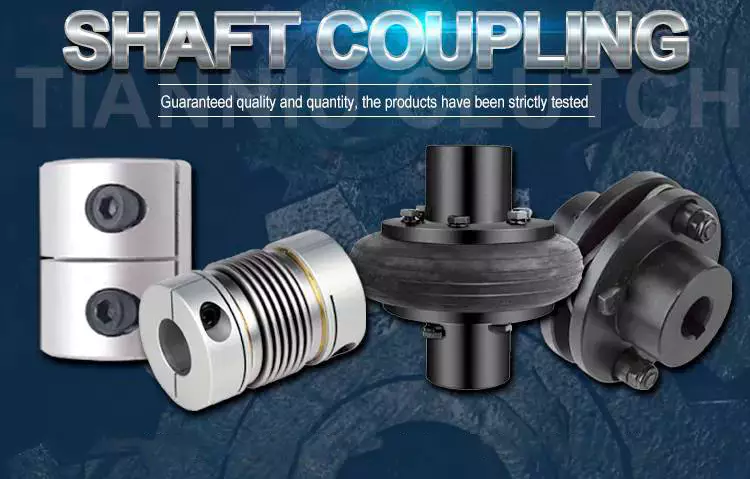
Magnetic coupling
Magnetic coupling transfers torque from one shaft to another using a magnetic field. These couplings can be used on various types of machinery. These types of transmissions are very useful in many situations, especially when you need to move large amounts of weight. The magnetic field is also very effective at reducing friction between the two shafts, which can be extremely helpful if you’re moving heavy items or machinery.
Different magnetic couplings can transmit forces either linearly or rotated. Different magnetic couplings have different topologies and can be made to transmit force in various geometric configurations. Some of these types of couplings are based on different types of materials. For example, a ceramic magnetic material can be used for applications requiring high temperature resistance.
Hybrid couplings are also available. They have a hybrid design, which allows them to operate in either an asynchronous or synchronous mode. Hysterloy is an alloy that is easily magnetized and is used in synchronous couplings. A synchronous magnetic coupling produces a coupled magnetic circuit.
Magnetic coupling is a key factor in many physical processes. In a crystal, molecules exhibit different magnetic properties, depending on their atomic configuration. Consequently, different configurations produce different amounts of magnetic coupling. The type of magnetic coupling a molecule exhibits depends on the exchange parameter Kij. This exchange parameter is calculated by using quantum chemical methods.
Magnetic couplings are most commonly used in fluid transfer pump applications, where the drive shaft is hermetically separated from the fluid. Magnetic couplings also help prevent the transmission of vibration and axial or radial loads through the drive shaft. Moreover, they don’t require external power sources, since they use permanent magnets.
Shaft coupling
A shaft coupling is a mechanical device that connects two shafts. The coupling is designed to transmit full power from one shaft to the other, while keeping the shafts in perfect alignment. It should also reduce transmission of shock loads. Ideally, the coupling should be easy to connect and maintain alignment. It should also be free of projecting parts.
The shaft couplings that are used in machines are typically made of two types: universal coupling and CZPT coupling. CZPT couplings are designed to correct for lateral misalignment and are composed of two flanges with tongues and slots. They are usually fitted with pins. The T1 tongue is fitted into flange A, while the T2 tongue fits into flange B.
Another type of shaft coupling is known as a “sliced” coupling. This type of coupling compensates for inevitable shaft misalignments and provides high torque. Machined slits in the coupling’s outer shell help it achieve high torsional stiffness and excellent flexibility. The design allows for varying engagement angles, making it ideal for many different applications.
A shaft coupling is an important component of any machine. Proper alignment of the two shafts is vital to avoid machine breakdowns. If the shafts are misaligned, extra force can be placed on other parts of the machine, causing vibration, noise, and damage to the components. A good coupling should be easy to connect and should ensure precise alignment of the shaft. Ideally, it should also have no projecting parts.
Shaft couplings are designed to tolerate a certain amount of backlash, but it must be within a system’s threshold. Any angular movement of the shaft beyond this angle is considered excessive backlash. Excessive backlash results in excessive wear, stress, and breakage, and may also cause inaccurate alignment readings. It is therefore imperative to reduce backlash before the shaft alignment process.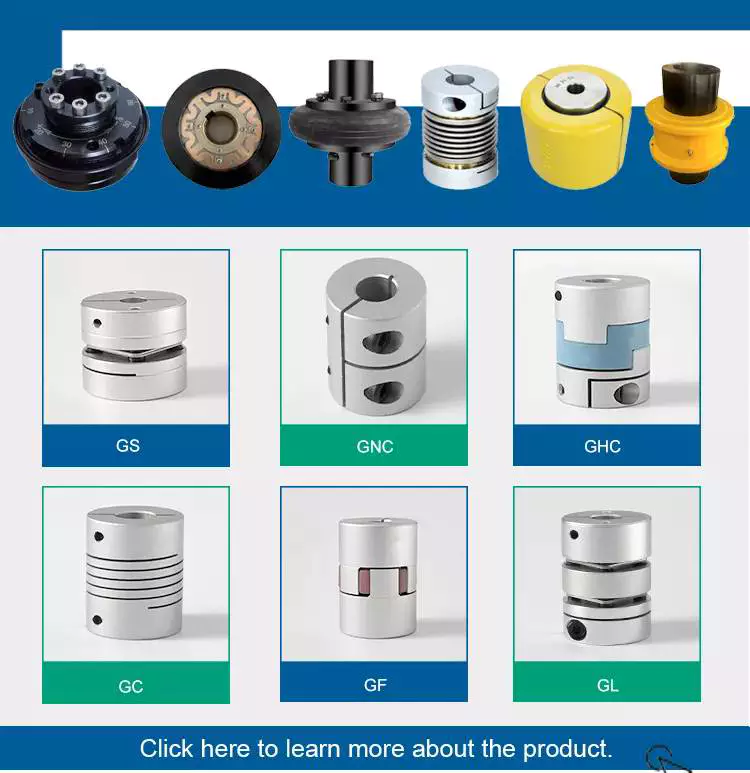
Overload safety mechanical coupling
Overload safety mechanical couplings are devices that automatically disengage when the torque applied to them exceeds a specified limit. They are an efficient way to protect machinery and reduce the downtime associated with repairing damaged machinery. The advantage of overload couplings is their fast reaction time and ease of installation.
Overload safety mechanical couplings can be used in a wide range of applications. Their automatic coupling mechanisms can be used on any face or edge. In addition, they can be genderless, incorporating both male and female coupling features into a single mechanism. This means that they are both safe and gender-neutral.
Overload safety couplings protect rotating power transmission components from overloads. Overload protection devices are installed on electric motors to cut off power if the current exceeds a certain limit. Likewise, fluid couplings in conveyors are equipped with melting plug elements that allow the fluid to escape when the system becomes too hot. Mechanical force transmission devices, such as shear bolts, are designed with overload protection in mind.
A common design of an overload safety mechanical coupling consists of two or more arms and hubs separated by a plastic spider. Each coupling body has a set torque threshold. Exceeding this threshold may damage the spider or damage the jaws. In addition, the spider tends to dampen vibration and absorb axial extension. This coupling style is nearly backlash free, electrically isolating, and can tolerate very little parallel misalignment.
A mechanical coupling may also be a universal joint or jaw-clutch coupling. Its basic function is to connect the driver and driven shafts, and limits torque transfer. These devices are typically used in heavy-duty industries, such as steel plants and rolling mills. They also work well with industrial conveyor systems.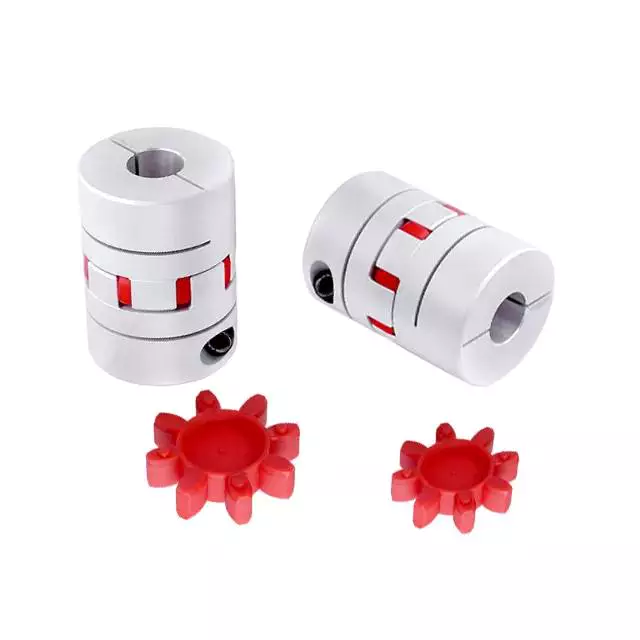
CZPT Pulley
The CZPT Pulley coupling family offers a comprehensive range of couplings for motors of all types. Not only does this range include standard motor couplings, but also servo couplings, which require ultra-precise control. CZPT Pulley couplings are also suitable for engine applications where high shocks and vibrations are encountered.
CZPT Pulley couplings have a “sliced” body structure, which allows for excellent torsional stiffness and strength. They are corrosion-resistant and can withstand high rotational speeds. The couplings’ design also ensures accurate shaft rotation while limiting shaft misalignment.
CZPT Pulley has introduced the CPU Pin Type couplings, which are effective at damping vibration and maintain zero backlash. They are also made from aluminum and are capable of absorbing heat. They come with recessed tightening screws. They can handle speeds up to 4,000 RPM, and are RoHS-compliant.
editor by czh 2023-03-08
China Rubber Gasket Coupling Air Compressor Parts 2903101501 Shaft Coupling coupling beam
Product Description
Product Description:
solution name : Screw air compressor components Rubber Content Flexible Coupling
Rubber gasket coupling Screw air compressor Shaft coupling
shipping:1-3working days right after payment recived.
warranty : 1 yr
Our Merchandise consist of:
Temperature Sensor P.N
one 0571 7107,1 0571 7144,1 0571 7164,1 0571 7101,1 0571 7102,1 0571 7103,1 0571 7105,1 0571 7106,1 0571 7108,1 0571 7141,1 0571 7140,1 0571 7116,1 0571 7155 1 0571 7151,1089958
Telephone/ :
Site:ienyao
|
US $66-67 / Piece | |
1 Piece (Min. Order) |
###
| Customized: | Customized |
|---|---|
| Standard Component: | Standard Component |
| Material: | Rubber |
| Category: | Coupling |
| Product Name: | 1614873800 Rubber Coupling |
| Model Number: | 2903101501 Shaft Coupling |
###
| Customization: |
Available
|
|---|
|
US $66-67 / Piece | |
1 Piece (Min. Order) |
###
| Customized: | Customized |
|---|---|
| Standard Component: | Standard Component |
| Material: | Rubber |
| Category: | Coupling |
| Product Name: | 1614873800 Rubber Coupling |
| Model Number: | 2903101501 Shaft Coupling |
###
| Customization: |
Available
|
|---|
Types of Coupling
A coupling is a device used to join two shafts together and transmit power. Its primary function is to join rotating equipment and allows for some end movement and misalignment. This article discusses different types of coupling, including Magnetic coupling and Shaft coupling. This article also includes information on Overload safety mechanical coupling.
Flexible beam coupling
Flexible beam couplings are universal joints that can deal with shafts that are offset or at an angle. They consist of a tube with couplings at both ends and a thin, flexible helix in the middle. This makes them suitable for use in a variety of applications, from motion control in robotics to attaching encoders to shafts.
These couplings are made of one-piece materials and are often made of stainless steel or aluminium alloy. However, they can also be made of acetal or titanium. While titanium and acetal are less common materials, they are still suitable for high-torque applications. For more information about beam couplings, contact CZPT Components.
Flexible beam couplings come in a variety of types and sizes. W series couplings are good for general purpose applications and are relatively economical. Stainless steel versions have increased torque capacity and torsional stiffness. Flexible beam couplings made of aluminum are ideal for servo and reverse motion. They are also available with metric dimensions.
Flexible beam couplings are made of aluminum alloy or stainless steel. Their patented slot pattern provides low bearing load and high torsional rigidity. They have a long operational life. They also require zero maintenance and can handle angular offset. Their advantages outweigh the disadvantages of traditional beam couplings.
Magnetic coupling
Magnetic coupling transfers torque from one shaft to another using a magnetic field. These couplings can be used on various types of machinery. These types of transmissions are very useful in many situations, especially when you need to move large amounts of weight. The magnetic field is also very effective at reducing friction between the two shafts, which can be extremely helpful if you’re moving heavy items or machinery.
Different magnetic couplings can transmit forces either linearly or rotated. Different magnetic couplings have different topologies and can be made to transmit force in various geometric configurations. Some of these types of couplings are based on different types of materials. For example, a ceramic magnetic material can be used for applications requiring high temperature resistance.
Hybrid couplings are also available. They have a hybrid design, which allows them to operate in either an asynchronous or synchronous mode. Hysterloy is an alloy that is easily magnetized and is used in synchronous couplings. A synchronous magnetic coupling produces a coupled magnetic circuit.
Magnetic coupling is a key factor in many physical processes. In a crystal, molecules exhibit different magnetic properties, depending on their atomic configuration. Consequently, different configurations produce different amounts of magnetic coupling. The type of magnetic coupling a molecule exhibits depends on the exchange parameter Kij. This exchange parameter is calculated by using quantum chemical methods.
Magnetic couplings are most commonly used in fluid transfer pump applications, where the drive shaft is hermetically separated from the fluid. Magnetic couplings also help prevent the transmission of vibration and axial or radial loads through the drive shaft. Moreover, they don’t require external power sources, since they use permanent magnets.
Shaft coupling
A shaft coupling is a mechanical device that connects two shafts. The coupling is designed to transmit full power from one shaft to the other, while keeping the shafts in perfect alignment. It should also reduce transmission of shock loads. Ideally, the coupling should be easy to connect and maintain alignment. It should also be free of projecting parts.
The shaft couplings that are used in machines are typically made of two types: universal coupling and CZPT coupling. CZPT couplings are designed to correct for lateral misalignment and are composed of two flanges with tongues and slots. They are usually fitted with pins. The T1 tongue is fitted into flange A, while the T2 tongue fits into flange B.
Another type of shaft coupling is known as a “sliced” coupling. This type of coupling compensates for inevitable shaft misalignments and provides high torque. Machined slits in the coupling’s outer shell help it achieve high torsional stiffness and excellent flexibility. The design allows for varying engagement angles, making it ideal for many different applications.
A shaft coupling is an important component of any machine. Proper alignment of the two shafts is vital to avoid machine breakdowns. If the shafts are misaligned, extra force can be placed on other parts of the machine, causing vibration, noise, and damage to the components. A good coupling should be easy to connect and should ensure precise alignment of the shaft. Ideally, it should also have no projecting parts.
Shaft couplings are designed to tolerate a certain amount of backlash, but it must be within a system’s threshold. Any angular movement of the shaft beyond this angle is considered excessive backlash. Excessive backlash results in excessive wear, stress, and breakage, and may also cause inaccurate alignment readings. It is therefore imperative to reduce backlash before the shaft alignment process.
Overload safety mechanical coupling
Overload safety mechanical couplings are devices that automatically disengage when the torque applied to them exceeds a specified limit. They are an efficient way to protect machinery and reduce the downtime associated with repairing damaged machinery. The advantage of overload couplings is their fast reaction time and ease of installation.
Overload safety mechanical couplings can be used in a wide range of applications. Their automatic coupling mechanisms can be used on any face or edge. In addition, they can be genderless, incorporating both male and female coupling features into a single mechanism. This means that they are both safe and gender-neutral.
Overload safety couplings protect rotating power transmission components from overloads. Overload protection devices are installed on electric motors to cut off power if the current exceeds a certain limit. Likewise, fluid couplings in conveyors are equipped with melting plug elements that allow the fluid to escape when the system becomes too hot. Mechanical force transmission devices, such as shear bolts, are designed with overload protection in mind.
A common design of an overload safety mechanical coupling consists of two or more arms and hubs separated by a plastic spider. Each coupling body has a set torque threshold. Exceeding this threshold may damage the spider or damage the jaws. In addition, the spider tends to dampen vibration and absorb axial extension. This coupling style is nearly backlash free, electrically isolating, and can tolerate very little parallel misalignment.
A mechanical coupling may also be a universal joint or jaw-clutch coupling. Its basic function is to connect the driver and driven shafts, and limits torque transfer. These devices are typically used in heavy-duty industries, such as steel plants and rolling mills. They also work well with industrial conveyor systems.
CZPT Pulley
The CZPT Pulley coupling family offers a comprehensive range of couplings for motors of all types. Not only does this range include standard motor couplings, but also servo couplings, which require ultra-precise control. CZPT Pulley couplings are also suitable for engine applications where high shocks and vibrations are encountered.
CZPT Pulley couplings have a “sliced” body structure, which allows for excellent torsional stiffness and strength. They are corrosion-resistant and can withstand high rotational speeds. The couplings’ design also ensures accurate shaft rotation while limiting shaft misalignment.
CZPT Pulley has introduced the CPU Pin Type couplings, which are effective at damping vibration and maintain zero backlash. They are also made from aluminum and are capable of absorbing heat. They come with recessed tightening screws. They can handle speeds up to 4,000 RPM, and are RoHS-compliant.
editor by czh 2022-12-16
China manufacturer & factory supplier for Customized in Bacoor Philippines Agriculture Machinery Parts PTO Drive Shaft Yoke With high quality best price & service

ISO 9001 licensed company of precision roller chains. Varieties incorporate one The range covers: torque ratings up to 4700Nm ongoing torque ratings up to 7800Nm peak (twelve,800Nm maximum unexpected emergency end torque) enter velocity 6000 highest backlash down to .5 arc-min reliable, hollow and robotic flange output shaft optionsand a number of strand, hollow pin, side bow, rollerless, self-lubricating, straight sidebar, double pitch, brushed, nickel plated, armor coated, 304 stainless metal, leaf, hoist and O-ring, citrus, sorting and caterpillar roller chains.The new products include a sequence of substantial-tech and high good quality chains and sprockets and gears, these kinds of as chains and gearboxes for agricultural machineries, metallurgical chains, escalator step-chains, large-velocity tooth chains, timing chains, self-lubrication chains, between which have type large speed tooth chain for automobile branch dynamic box and aerial chains fill in the blanks of chain in China.
Overview
Swift Information
- Guarantee:
-
one.5 many years
- Relevant Industries:
-
Manufacturing Plant
- Right after Guarantee Support:
-
Video clip technological assistance
- Local Service Location:
-
Italy
- Showroom Place:
-
Italy
- Location of Origin:Zhejiang, China
- Model Title:
-
OEM
- certificate:
-
CE
- Material:
-
Steel
- Processing of yoke:
-
Forging
- Layout:
-
Custom-made
- Certificate:
-
CE Certificate.
Cat 3 Level Hitch How do I operate the PTO on my tractor? Prior to operating the PTO, you will need your tractor to achieve the starting up RPM (revolutions for each moment). Once the beginning RPM has been attained you can begin running the PTO.
Offer Potential
- Source Potential:
- 20000 Piece/Pieces per Thirty day period
Packaging & DeliveEPG specializing in the manufacture of rotocultivator ploughshares and other non-standardized farm equipment reducing instruments. ry
- Packaging Particulars
- Iron crates
- Port
- NINGBO OR SHANGHAI
On the internet Customization

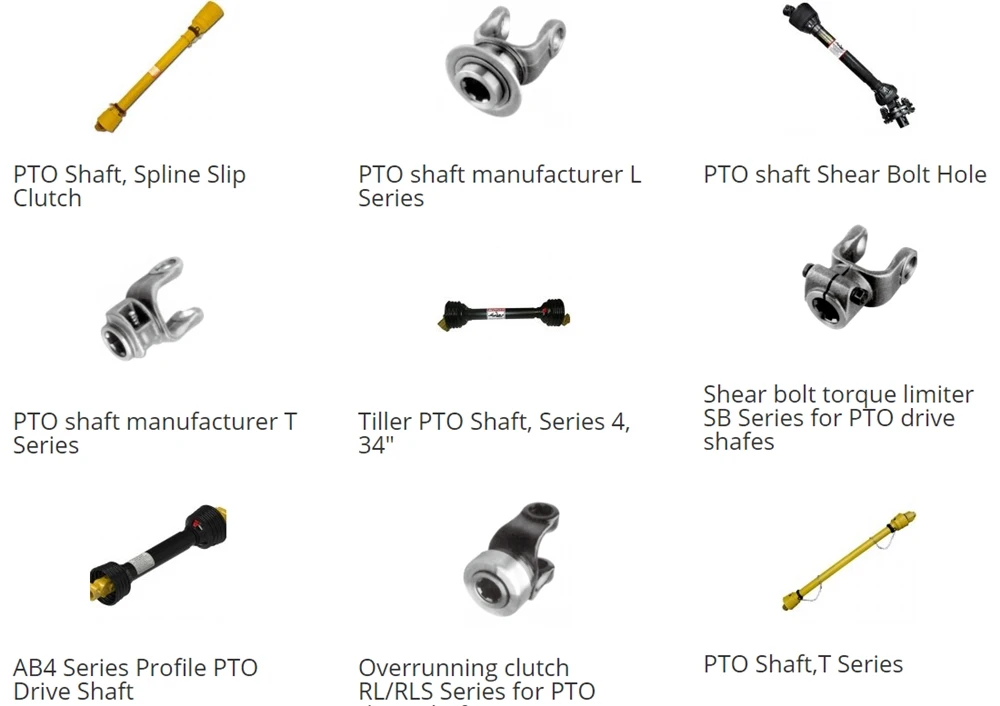
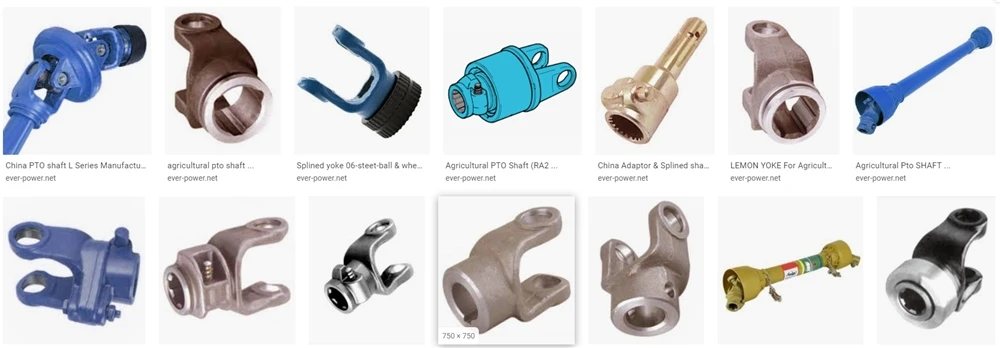
PTO Shaft
The electrical power just take-off (PTO) is a innovative system, permitting implements to attract power from the motor and transmit it to an additional application. It works as a mechanical gearbox which can be mounted on the vehicle’s transmission.
The energy just take-off shaft (PTO shaft) is a critical element, created and produced for steady weighty-duty use. A very good PTO shaft should be strong adequate to bear the torsion and shear anxiety and reduce vibration.
Setforge, the forging subsidiary of Ever-Electrical power Group, manufactures chilly extruded PTO shafts for all types of agriculture autos. Our PTO shafts offer great dependability and toughness during day-to-day use.
EP Group has been internationally regarded as a dependable international supplier. Our condition-of-the-artwork producing procedure and knowledgeable engineers make certain the best-quality of all Farinia parts.
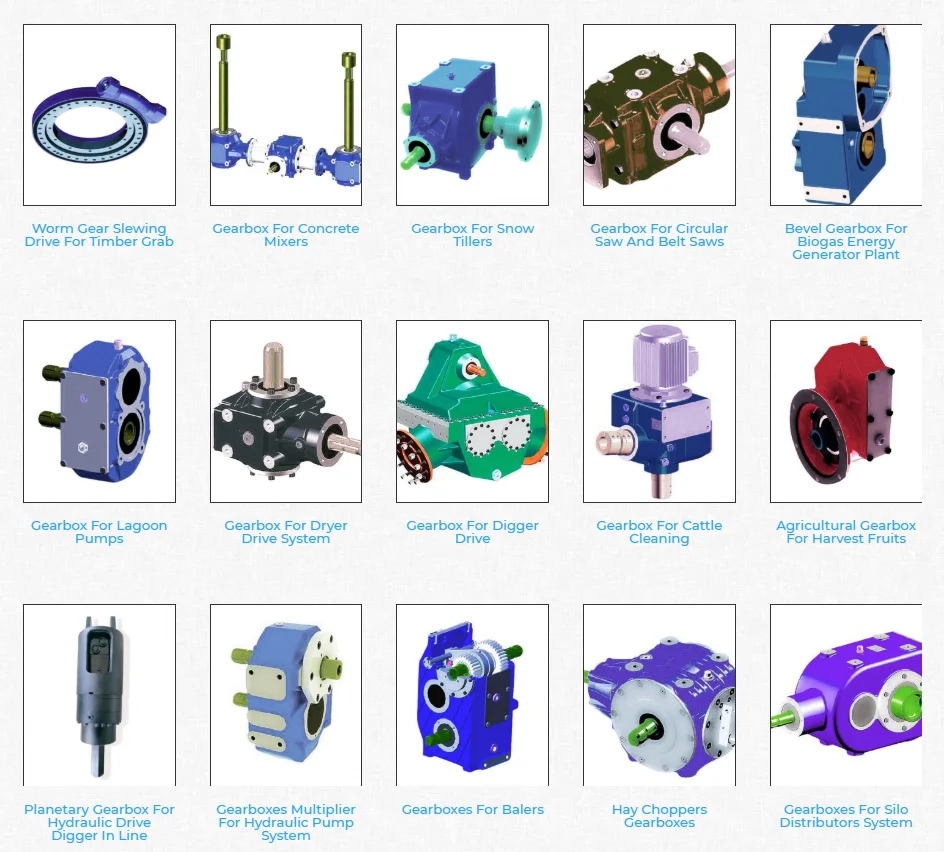
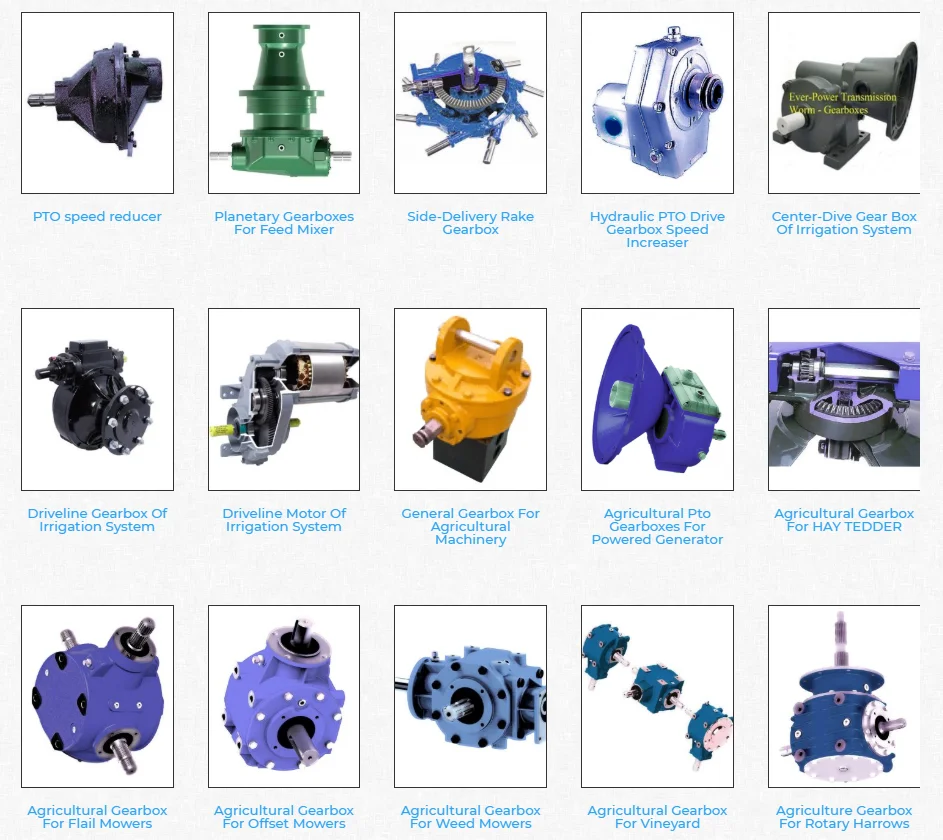
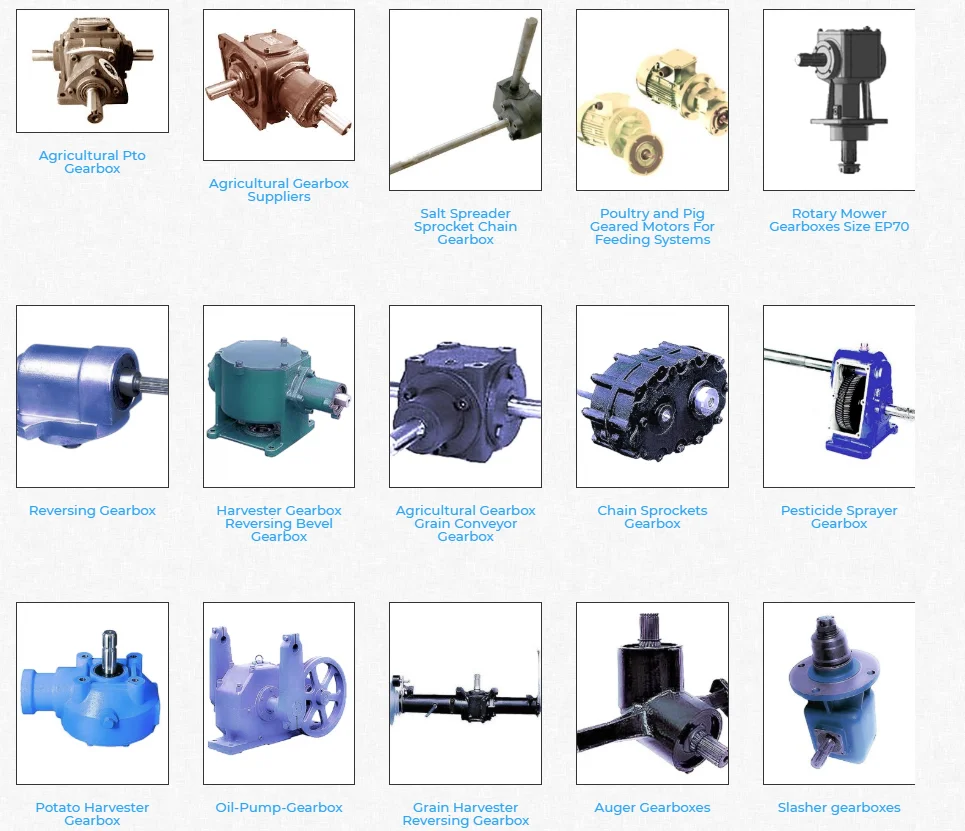
| Following Guarantee Provider | Movie technical assistance |
| Relevant Industries | Producing Plant |
| Regional Services Place | Italy |
| Showroom Location | Italy |
| Guarantee | 1.5 many years |
| Place of Origin | China |
| China | Zhejiang |
| Brand Title | EPG |
| certification | CE |
| Materials | Steel |
| Processing of yoke | Forging |
| Design | Personalized |
| Certificate | CE Certification. |
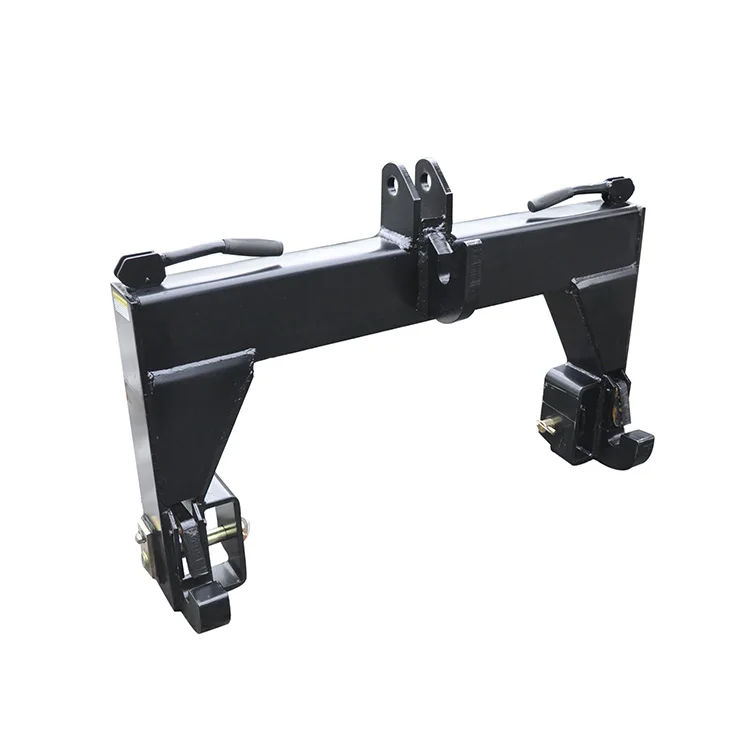
CAT 23 Fast Hitch
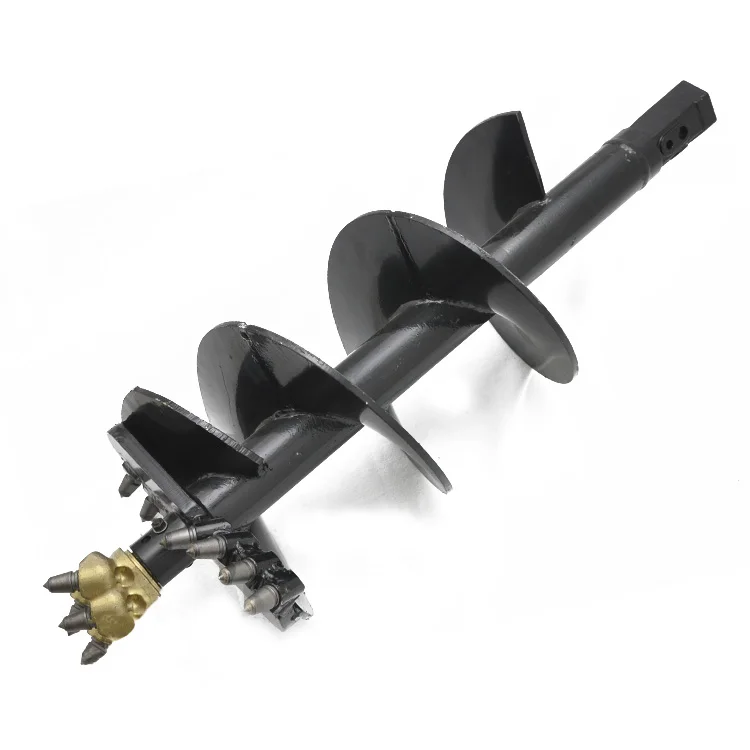
fifteen” Rock Auger
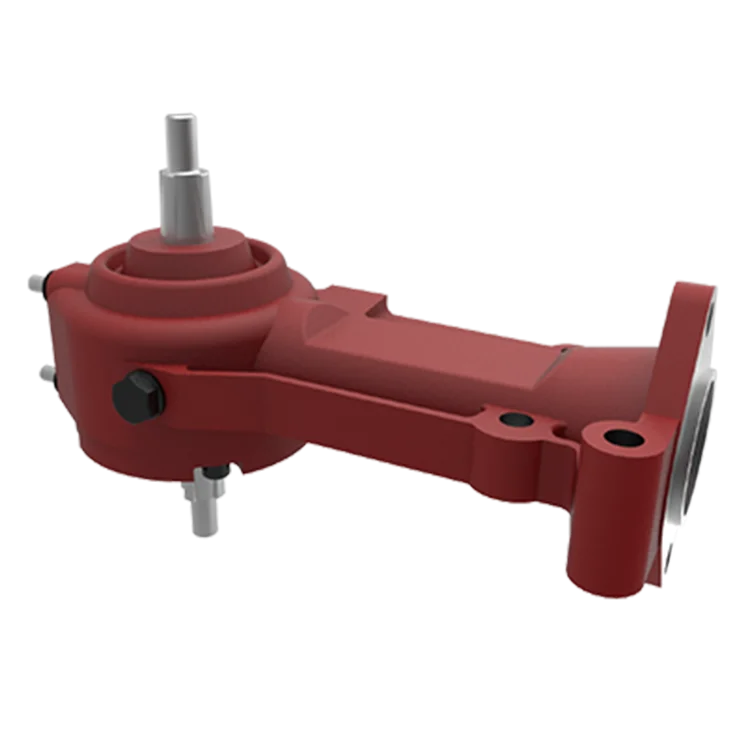
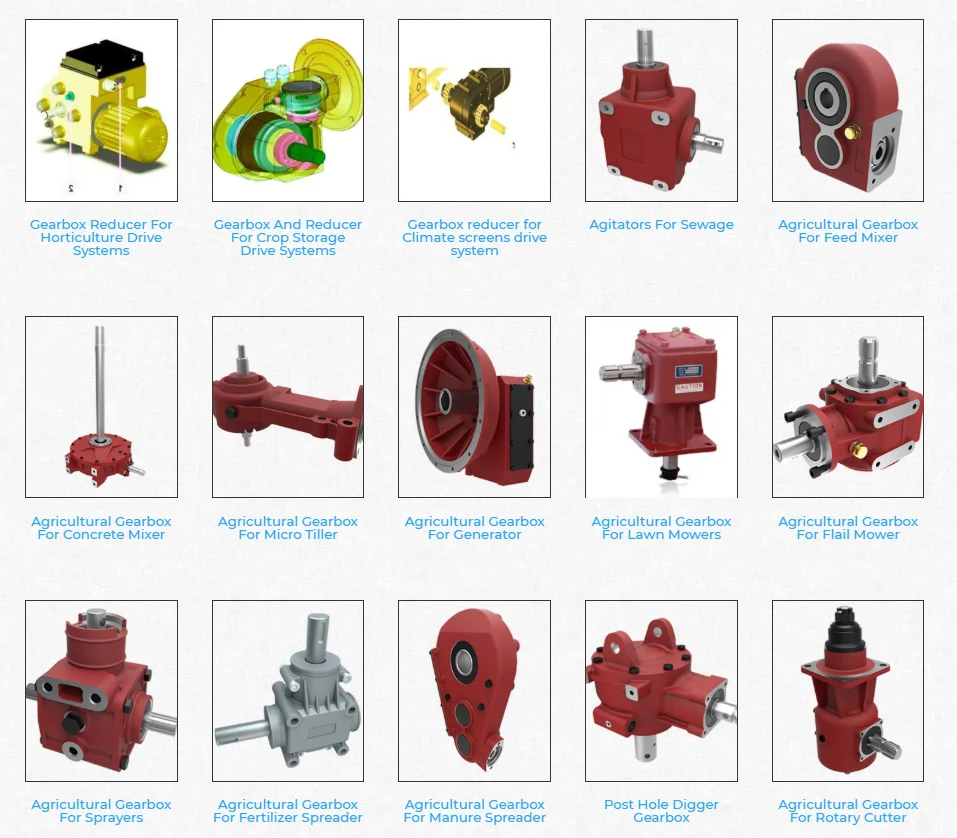
Agricultural Gearb …

A: Your inquiry connected to our items or charges will be replied in 24 hours.
B: Security of your income location, tips of design and all your private details.
C: Greatest top quality and aggressive price tag.
……
1) How can I spot buy?
A: You can get in touch with us by e-mail about your get details, or spot order on line.
2) How can I shell out you?
A: Right after you affirm our PI, we will request you to pay. T/T (HSBC bank) and Paypal, Western Union are the most common methods we are utilizing.
……