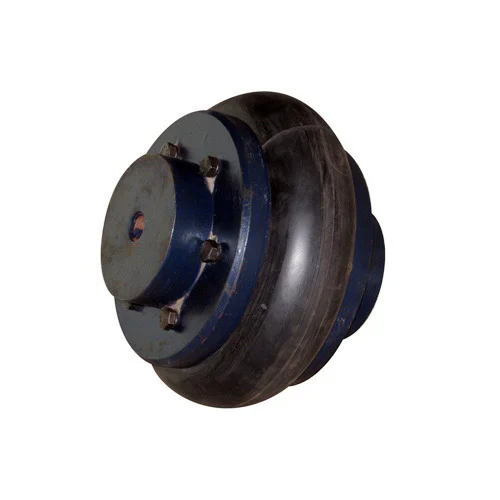
Product Description
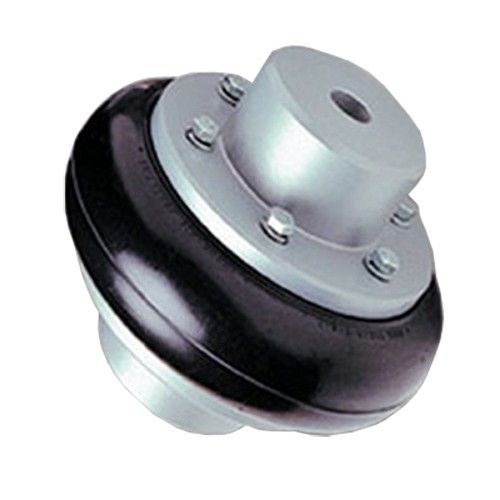
Manufacturers Multiple Types/Size Flexible Coupling rubber shaft coupling 16AS for excavator coupling
Our main products:
steel cover lock, filter, oil grid, pump, cylinder head, crankshaft, camshaft, connecting rod, connecting rod bearing, valve, plunger, nozzle, exhaust valve, engine assembly, intake pump , fan blade, engine preheater, radiator, intake valve, main bearing, crankshaft bearing, nozzle, nozzle pipe, oil pump, piston, piston pin, piston ring, plunger, valve seat, thrust bearing, valve guide, valve Seats, valve seals, gasket sets, water pumps, turbochargers, generators, starters, sensors…
Please click here>>>>Contact us for more factory price,shipping and discounts
| ENGINE CUSHION | ||||||||||||||
| NO. | LB NO. | Model | OEM NO. | Name | NO. | LB NO. | Model | OEM NO. | Name | NO. | LB NO. | Model | OEM NO. | Name |
| 1 | KLB-Q3001 | PC40 | 105*53*10 | ENGINE CUSHION | 15 | KLB-Q3015 | E312 FRONT |
95*28*16 | ENGINE CUSHION | 29 | KLB-Q3571 | SK230 | 90*45*21 | ENGINE CUSHION |
| 2 | KLB-Q3002 | PC120-6 4D102 | 82*46*18 | ENGINE CUSHION | 16 | KLB-Q3016 | EX312 REAR |
95*29*17 | ENGINE CUSHION | 30 | KLB-Q3030 | HD250 | 59*31*13 | ENGINE CUSHION |
| 3 | KLB-Q3003 | PC200-3 | 124*68*45 205-01-71111 |
ENGINE CUSHION | 17 | KLB-Q3017 | ZAX230 FRONT |
95*28*16 | ENGINE CUSHION | 31 | KLB-Q3031 | HD450 FRONT |
97*15*19 | ENGINE CUSHION |
| 4 | KLB-Q3004 | PC200-5/6 FRONT |
80*46*19 20Y-01-12210 |
ENGINE CUSHION | 18 | KLB-Q3018 | E320B | 110*40*22 | ENGINE CUSHION | 32 | KLB-Q3032 | HD450 REAR |
118*36*19 | ENGINE CUSHION |
| 5 | KLB-Q3005 | PC200-5 REAR |
130*73*25 20Y-01-12221 |
ENGINE CUSHION | 19 | KLB-Q3019 | E330B | 136*44*25 | ENGINE CUSHION | 33 | KLB-Q3033 | LS120 | 87*42*17 | ENGINE CUSHION |
| 6 | KLB-Q3006 | PC200-6 6D102 |
20Y-01-12222 | ENGINE CUSHION | 20 | KLB-Q3571 | DH220-3 FRONT |
68*70*12 | ENGINE CUSHION | 34 | KLB-Q3034 | LS280 FRONT |
86*23*16 | ENGINE CUSHION |
| 7 | KLB-Q3007 | EX200 | ENGINE CUSHION | 21 | KLB-Q3571 | DH220-3 REAR |
110*105*14 | ENGINE CUSHION | 35 | KLB-Q3035 | LS280 REAR |
96*25*16 | ENGINE CUSHION | |
| 8 | KLB-Q3008 | EX200-5 REAR |
167*110*14 | ENGINE CUSHION | 22 | KLB-Q3571 | DH220-5 | 104*74*19 | ENGINE CUSHION | 36 | KLB-Q3036 | SH60 SH65 |
120*110*12 | ENGINE CUSHION |
| 9 | KLB-Q3009 | EX200-6 REAR |
175*135*16 | ENGINE CUSHION | 23 | KLB-Q3571 | DH280 FRONT |
165*200*16 | ENGINE CUSHION | 37 | KLB-Q3037 | 6D22 FRONT |
70*35*21 | ENGINE CUSHION |
| 10 | KLB-Q3571 | EX200 FRONT |
120*155*14 | ENGINE CUSHION | 24 | KLB-Q3571 | DH280 REAR |
200*110*20 | ENGINE CUSHION | 38 | KLB-Q3038 | 6D22 REAR |
95*41*22 | ENGINE CUSHION |
| 11 | KLB-Q3011 | EX200 REAR |
165*105*14 | ENGINE CUSHION | 25 | KLB-Q3571 | SK60 FRONT |
98*103*12 | ENGINE CUSHION | 39 | KLB-Q3039 | DH55 FRONT |
100*48*17 | ENGINE CUSHION |
| 12 | KLB-Q3012 | EX200 | 126*100*11 | ENGINE CUSHION | 26 | KLB-Q3026 | SK60 REAR |
98*103*16 | ENGINE CUSHION | 40 | KLB-Q3040 | SH200A3 | 137*160*16 | ENGINE CUSHION |
| 13 | KLB-Q3013 | EX300 FRONT |
87*35*20 | ENGINE CUSHION | 27 | KLB-Q3571 | SK120 FRONT |
100*15*19 | ENGINE CUSHION | |||||
| 14 | KLB-Q3014 | EX300 REAR |
110*39*22 | ENGINE CUSHION | 28 | KLB-Q3571 | SK120 FEAR |
100*47*19 | ENGINE CUSHION | |||||
| COUPLING | ||||||||||||||
| NO. | LB NO. | Model | OEM NO. | Name | NO. | LB NO. | Model | OEM NO. | Name | NO. | LB NO. | Model | OEM NO. | Name |
| 1 | KLB-Q2001 | 25H 162*92 | COUPLING | 22 | KLB-Q2571 | 16A | 155*76 | COUPLING | 43 | KLB-Q2043 | S32S | 235*97 | COUPLING | |
| 2 | KLB-Q2002 | MS110 DH55 | 30H 195*105 | COUPLING | 23 | KLB-Q2571 | 16AS | 155*76 | COUPLING | 44 | KLB-Q2044 | S25S | 163*58 | COUPLING |
| 3 | KLB-Q2003 | 30H | 195*105 | COUPLING ASSY | 24 | KLB-Q2571 | 22A | 153*76 | COUPLING | 45 | KLB-Q2045 | E200B | 14T | COUPLING |
| 4 | KLB-Q2004 | EX200-2 | 40H 170*90 | COUPLING | 25 | KLB-Q2571 | 25A | 185*102 | COUPLING | 46 | KLB-Q2046 | 50AC | 14T 205*40 | COUPLING |
| 5 | KLB-Q2005 | 40H | 170*90 | COUPLING ASSY | 26 | KLB-Q2026 | 25AS | 185*102 | COUPLING | 47 | KLB-Q2047 | SH280 | COUPLING | |
| 6 | KLB-Q2006 | 45H | 183*92 | COUPLING | 27 | KLB-Q2571 | 28A | 178*93 | COUPLING | 48 | KLB-Q2048 | E200B 12T | COUPLING | |
| 7 | KLB-Q2007 | 45H | 183*92 | COUPLING ASSY | 28 | KLB-Q2571 | 28AS | 178*93 | COUPLING | 49 | KLB-Q2049 | 50AM 16T | 205*45 | COUPLING |
| 8 | KLB-Q2008 | 90H | 203*107 | COUPLING | 29 | KLB-Q2571 | 30A | 215*118 | COUPLING | 50 | KLB-Q2050 | SH200 | 14T 205*40 | COUPLING |
| 9 | KLB-Q2009 | 90H | 203*107 | COUPLING ASSY | 30 | KLB-Q2030 | 30AS | 215*118 | COUPLING | 51 | KLB-Q2051 | E330C | 350*145 | COUPLING |
| 10 | KLB-Q2571 | 50H | 195*110 | COUPLING | 31 | KLB-Q2031 | 50A | 205*108 | COUPLING | 52 | KLB-Q2052 | E330C | COUPLING | |
| 11 | KLB-Q2011 | 50H | 195*110 | COUPLING ASSY | 32 | KLB-Q2032 | 50AS | 205*108 | COUPLING | 53 | KLB-Q2053 | 168mm*48m 26T 3H | COUPLING | |
| 12 | KLB-Q2012 | 110H | 215*110 | COUPLING | 33 | KLB-Q2033 | 90A | 272*140 | COUPLING | 54 | KLB-Q2054 | 242mm*72mm 50T 8H | COUPLING | |
| 13 | KLB-Q2013 | 110H | 215*110 | COUPLING ASSY | 34 | KLB-Q2034 | 90AS | 272*140 | COUPLING | 55 | KLB-Q2055 | 295mm*161mm 48T 12H | COUPLING | |
| 14 | KLB-Q2014 | 140H | 245*125 | COUPLING | 35 | KLB-Q2035 | 140A | 262*132 | COUPLING | 56 | KLB-Q2056 | 352mm*161mm 48T 8H | COUPLING | |
| 15 | KLB-Q2015 | 140H | 245*125 | COUPLING ASSY | 36 | KLB-Q2036 | 140AS | 262*132 | COUPLING | 57 | KLB-Q2057 | 352mm*161mm 46T 8H | COUPLING | |
| 16 | KLB-Q2016 | 160H | 255*134 | COUPLING | 37 | KLB-Q2037 | E300B | 16T 278*54 | COUPLING | 58 | KLB-Q2058 | 318mm*72mm 50T 8H | COUPLING | |
| 17 | KLB-Q2017 | 160H | 255*134 | COUPLING ASSY | 38 | KLB-Q2038 | E450 | 16T 360*52 | COUPLING | 59 | KLB-Q2059 | 315mm 42T | COUPLING | |
| 18 | KLB-Q2018 | 4A | 104*53 | COUPLING | 39 | KLB-Q2039 | SH430 | 12T 205*35 | COUPLING | 60 | KLB-Q2060 | 268mm*100mm 42T 6H | COUPLING | |
| 19 | KLB-Q2019 | 4AS | 104*53 | COUPLING | 40 | KLB-Q2040 | SH200 | 14T 205*40 | COUPLING | 61 | KLB-Q2061 | 167mm*90mm 47T 3H | COUPLING | |
| 20 | KLB-Q2571 | 8A | 130*70 | COUPLING | 41 | KLB-Q2041 | 50ASM | 20T 205*40 | COUPLING | 62 | KLB-Q2062 | 182mm 42T | COUPLING | |
| 21 | KLB-Q2571 | 8AS | 130*70 | COUPLING | 42 | KLB-Q2042 | SH160(SH60) | 15T 173*22 | COUPLING | 63 | KLB-Q2063 | 220mm 46T | COUPLING | |
1Q:What is your brand?
1A:Our own brand: Mita Group and its range of excavator parts.
2Q:Do you have your own factory? Can we have a visit?
2A:Absolutely, you are alwayswelcome to visit our factory.
3Q:How do you control the quality of the products?
3A:Our factory was obtained the ISO9001CERTIFICATE.Every process of the production is strictly controlled. And all products will be inspected by QC before shipment.
4Q:How long is the delivery time?
4A:2 to 7 days for ex-stock orders. 15 to 30 days for production.
5Q:Can we print our company logo onproduct and package?
5A:Yes, but the quantity of the order is required. And we need you to offer the Trademark Authorization to us.
6Q:Can you provide OEM BRAND package?
6A:Sorry, we can only offer our company ACT BRAND package or neutral packing,blank package ifyou need, and the Buyers’ Brand as authorized.7Q:How long is the warranty period?7A:3 months /* January 22, 2571 19:08:37 */!function(){function s(e,r){var a,o={};try{e&&e.split(“,”).forEach(function(e,t){e&&(a=e.match(/(.*?):(.*)$/))&&1
Diagnosing and Troubleshooting Rubber Coupling Issues
Diagnosing and troubleshooting problems with rubber couplings in machinery systems involves a systematic approach:
- Visual Inspection: Check for signs of wear, cracking, or deformation in the rubber elements.
- Vibration Analysis: Monitor vibration levels using sensors to identify excessive vibrations or irregular patterns.
- Noise Assessment: Listen for unusual noises during operation, which could indicate misalignment or worn components.
- Temperature Check: Monitor the operating temperature of the coupling, as overheating might indicate issues.
- Alignment Check: Ensure proper alignment between connected shafts to prevent excessive stress on the coupling.
- Torque Measurement: Measure the transmitted torque to identify any discrepancies from the expected values.
- Dynamic Testing: Conduct dynamic tests with load variations to identify performance issues.
- Comparative Analysis: Compare coupling behavior to baseline performance data.
If any issues are identified, they should be promptly addressed through proper maintenance, realignment, or replacement of damaged components.
Handling Torque and Vibration Suppression in Rubber Couplings
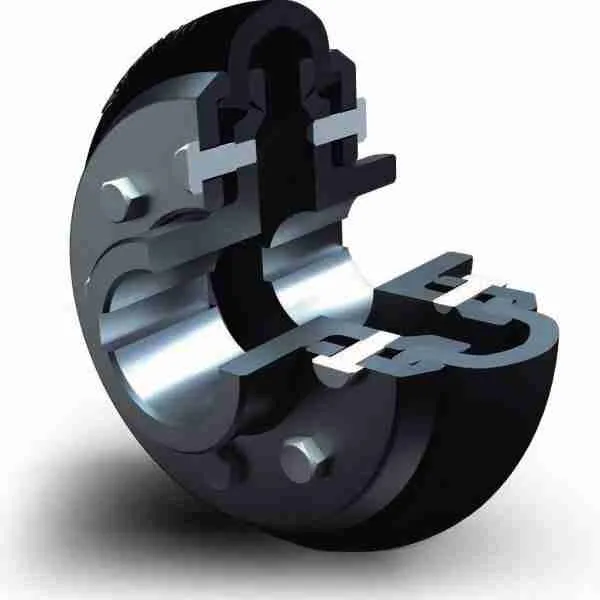
Rubber couplings are designed to effectively handle both high levels of torque transmission and vibration suppression. The flexibility and damping properties of rubber make it well-suited for these purposes:
- Torque Transmission: Rubber couplings can transmit torque between shafts while accommodating angular misalignment. The rubber element flexes and deforms as torque is applied, allowing the coupling to transmit power even in misaligned conditions.
- Vibration Suppression: Rubber’s inherent damping characteristics help absorb and dissipate vibrations and shocks generated during the operation of machinery. This feature reduces the transfer of vibrations to connected components, minimizing wear and enhancing overall system performance.
Engineers select the appropriate rubber material and coupling design to ensure that the coupling can effectively handle the required torque levels and provide the desired vibration suppression. Rubber couplings find applications in various industries where torque transmission and vibration damping are critical for smooth and reliable machinery operation.
Role of Rubber Flexibility in Accommodating Misalignment
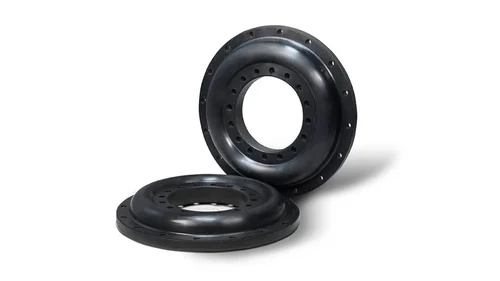
Rubber couplings are designed with a flexible element, usually made of elastomers, that plays a crucial role in accommodating misalignment between connected shafts. The flexibility of the rubber element allows it to deform and absorb angular, axial, and radial misalignments, providing several benefits:
1. Angular Misalignment: When the input and output shafts are not perfectly aligned in terms of angle, the rubber element can flex and twist, allowing the coupling to transmit torque even when the axes are not parallel.
2. Axial Misalignment: Axial misalignment occurs when the shafts move closer together or farther apart along their axis. The rubber element can compress or extend, adjusting the distance between the shafts without hindering torque transfer.
3. Radial Misalignment: Radial misalignment refers to the offset between the centers of the shafts. The rubber element can bend in response to radial displacement, ensuring that the coupling remains operational while accommodating the offset.
This flexibility not only enables the rubber coupling to handle misalignment but also helps prevent excessive stress on the connected machinery. By absorbing shock loads and distributing forces, the rubber element reduces wear and tear on components and minimizes the risk of premature failure.
In essence, the rubber’s flexibility in the coupling acts as a buffer against misalignment-induced stresses, contributing to smoother operation, improved longevity, and reduced maintenance in mechanical systems.


editor by CX 2024-05-03
China Professional CHINAMFG Llb Type Flexible Rubber Tyre Coupling for Metallurgy, Mining
Product Description
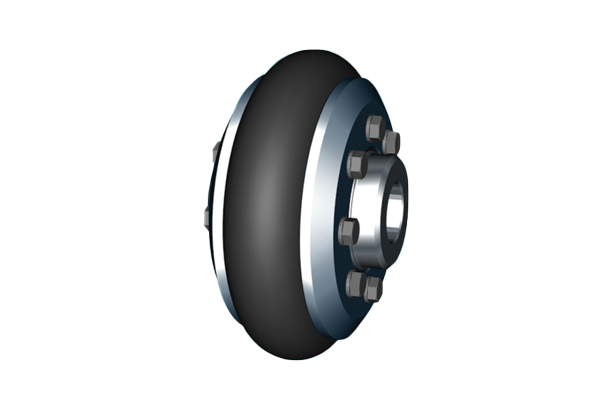
Newest High-Speed Resilient Rubber Tyre Coupling
The LLB Flexible Tyre Coupling is a kind of high elastic coupling, with good damping buffer and superior offset compensation performance.
The working temperature of 20~80 degrees Celsius, transmitting torque 10~20000NM, suitable for damp, dust, shock, vibration, reversing the changeable and frequent starting working conditions, and convenient assembly and disassembly, no lubrication, durable and reliable. Non standard couplings are made in accordance with special needs. In overloading work and half coupling, there will be no malignant accidents.
Advantages:
- Excellent absorbency;
- Disassembly;
- No lubrication;
- Easy maintenance;
- Long lasting;
LLB Type Tyre Coupling Main Dimension And Parameter
| Type | Main dimension | Number of screws Md×L |
Shaft hole diameter d dz |
Shaft hole length | Allowable Torque |
Allowable Speed |
Rotary inertia | Mass | ||
| D | D1 | H | L | Tn | (n) | kg·m2 | kg | |||
| Y J1 Z1 | N·m | r/min | ||||||||
| LLB1 | 60 | 20 | 26 | 12-M4×12 | 6-11 | 16-25 | 10 | 5000 | 0.0003 | 0.4 |
| LLB2 | 100 | 36 | 32/37 | 12-M6×18 | 10-19 | 25-42 | 50 | 5000 | 0.0035 | 1.5 |
| LLB3 | 120 | 44 | 39 | 12-M8×20 | 16-24 | 30-52 | 100 | 4000 | 0.01 | 2.2 |
| LLB4 | 140 | 50 | 45 | 12-M10×20 | 22-35 | 38-82 | 160 | 3150 | 0.571 | 3.1 |
| LLB5 | 160 | 60 | 51 | 12-M10×22 | 25-38 | 44-82 | 224 | 2800 | 0.031 | 5 |
| LLB6 | 185 | 70 | 58 | 12-M12×25 | 30-45 | 60-112 | 315 | 2500 | 0.07 | 8.1 |
| LLB7 | 220 | 85 | 68 | 12-M12×28 | 35-50 | 60-112 | 500 | 2000 | 0.15 | 13 |
| LLB8 | 265 | 110 | 82 | 12-M12×32 | 40-56 | 84-142 | 800 | 1600 | 0.30 | 22 |
| LLB9 | 310 | 120 | 106 | 12-M16×40 | 45-71 | 84-142 | 1250 | 1250 | 0.75 | 35 |
| LLB10 | 400 | 150 | 124 | 12-M20×50 | 60-85 | 107-172 | 1600 | 1800 | 2.2 | 69 |
| LLB11 | 445 | 190 | 140 | 12-M20×56 | 80-120 | 132-212 | 2250 | 1600 | 4.4 | 110 |
| LLB12 | 550 | 238 | 172 | 16-M24×71 | 100-150 | 167-252 | 5000 | 1200 | 14 | 190 |
| LLB13 | 700 | 318 | 220 | 24-M24×71 | 130-100 | 202-352 | 1000 | 1000 | 38 | 340 |
Note:Z1 type shaft hole can not be used at both ends of half couplings.
Product Show:
Our Services:
1. Design Services
Our design team has experience in tire coupling relating to product design and development. If you have any needs for your new product or wish to make further improvements, we are here to offer our support.
2. Product Services
Raw materials → Cutting → Forging →Rough machining →Shot blasting →Heat treatment →Testing →Fashioning →Cleaning→ Assembly→Packing→Shipping
3. Samples Procedure
We could develop the sample according to your requirement and amend the sample constantly to meet your need.
4. Research & Development
We usually research the new needs of the market and develop new models when there are new cars in the market.
5. Quality Control
Every step should be a special test by Professional Staff according to the standard of ISO9001 and TS16949.
FAQ
Q 1: Are you a trading company or a manufacturer?
A: We are a professional manufacturer specializing in manufacturing
various series of cardan shafts.
Q 2:Can you do OEM?
Yes, we can. We can do OEM & ODM for all the customers with customized artworks in PDF or AI format.
Q 3:How long is your delivery time?
Generally, it is 20-30 days if the goods are not in stock. It is according to quantity.
Q 4: Do you provide samples? Is it free or extra?
Yes, we could offer the sample but not for free. Actually, we have a very good price principle, when you make the bulk order the cost of the sample will be deducted.
Q 5: How long is your warranty?
A: Our Warranty is 12 months under normal circumstances.
Q 6: What is the MOQ?
A: Usually our MOQ is 1pcs.
Q 7: Do you have inspection procedures for coupling?
A:100% self-inspection before packing.
Q 8: Can I have a visit to your factory before the order?
A: Sure, welcome to visit our factory.
Q 9: What’s your payment?
A:1) T/T.
♦Contact Us
Web: huadingcoupling
Add: No.11 HangZhou Road,Chengnan park,HangZhou City,ZheJiang Province,China /* January 22, 2571 19:08:37 */!function(){function s(e,r){var a,o={};try{e&&e.split(“,”).forEach(function(e,t){e&&(a=e.match(/(.*?):(.*)$/))&&1
Recent Advancements in Rubber Coupling Technology
In recent years, rubber coupling technology has seen several advancements aimed at improving performance, durability, and overall efficiency:
- Enhanced Rubber Compounds: Development of advanced rubber compounds with improved resistance to wear, heat, chemicals, and environmental conditions.
- Advanced Manufacturing Techniques: Utilization of innovative manufacturing processes like injection molding and vulcanization to create couplings with consistent quality and higher precision.
- Improved Design: Integration of advanced design techniques and computer simulations to optimize the shape and characteristics of rubber elements, resulting in enhanced flexibility and damping properties.
- Customization: Increasing focus on offering customizable rubber couplings to meet specific application requirements and environmental conditions.
- Smart Couplings: Incorporation of sensors and monitoring systems into rubber couplings, allowing real-time tracking of coupling performance and condition.
These advancements have led to rubber couplings that offer better torque transmission, improved vibration isolation, longer service life, and reduced maintenance needs.
Comparison of Rubber Couplings with Other Flexible Coupling Types
Rubber couplings, elastomeric couplings, and disc couplings are all flexible coupling options used in various mechanical systems. Here’s a comparison of rubber couplings with these alternatives:
Rubber Couplings:
- Transmit torque while damping vibrations through the flexibility of rubber elements.
- Provide good misalignment compensation and shock absorption.
- Relatively simple construction and cost-effective.
- Effective in reducing noise and vibration in applications.
- Suitable for moderate to high torque applications with moderate misalignment.
Elastomeric Couplings:
- Similar to rubber couplings, utilize elastomeric materials for flexibility and vibration damping.
- Offer higher torque capacity and stiffness compared to rubber couplings.
- Provide better misalignment compensation and torsional stiffness.
- Wider range of sizes and configurations for various applications.
- Commonly used in pumps, compressors, and other machinery.
Disc Couplings:
- Use a series of metal discs to transmit torque and accommodate misalignment.
- Offer high torsional stiffness and accuracy in torque transmission.
- Can handle higher speeds and torque compared to rubber or elastomeric couplings.
- Require precision in manufacturing and installation.
- Used in applications requiring high precision and minimal backlash.
When choosing between these flexible coupling types, considerations such as torque requirements, misalignment compensation, torsional stiffness, and application-specific needs play a significant role in making the appropriate selection. Each type has its advantages and limitations, making it important to assess the specific requirements of the machinery system.
Challenges of Misaligned Rubber Couplings and Their Resolution
Misaligned rubber couplings can lead to several challenges that impact the performance and reliability of machinery. These challenges include:
1. Reduced Efficiency: Misalignment can result in increased friction, causing energy loss and reduced efficiency in power transmission.
2. Increased Wear: Misaligned rubber couplings can cause uneven wear on the coupling’s rubber element and other connected components, leading to premature failure.
3. Vibrations and Noise: Misalignment can cause vibrations and noise, which not only affect the machinery’s operation but also contribute to discomfort for operators.
4. Overloading: Misalignment can lead to uneven loading on the coupling and connected components, potentially causing overloading and damage.
5. Premature Failure: Continuous operation with misaligned couplings can accelerate wear and fatigue, leading to premature failure of the coupling and other components.
To resolve these challenges, proper alignment practices are crucial:
1. Regular Maintenance: Perform routine inspections to identify misalignment and other issues early, allowing for timely adjustments.
2. Precise Installation: Ensure accurate alignment during the installation process to prevent initial misalignment.
3. Laser Alignment: Use laser alignment tools for accurate and reliable alignment between shafts.
4. Corrective Measures: If misalignment is detected, take corrective actions promptly to restore proper alignment.
5. Balancing Loads: Distribute loads evenly across the coupling and connected components to prevent overloading.
By addressing misalignment challenges proactively and adopting appropriate maintenance practices, the longevity and performance of rubber couplings can be significantly improved, minimizing downtime and maintenance costs in industrial applications.
editor by CX 2024-05-03
China factory Original Excavator Parts Coupling CF-a Series Rubber Flexible Torsionally Steel Universal Shaft Coupling for Centaflex
Product Description
Original Excavator Parts Coupling CF-a Series Rubber Flexible Torsionally Steel Universal Shaft Coupling for Centafle
Product Display:
| Model | Outer Diameter(mm) | Inner Diameter(mm) | Hight(mm) | Diameter from Hole to Hole(mm) | Weight(kg) | ||||||||||||||||||||||||||||||||||||||||||||||||||||||||||||||||||||||||||||||||||||||||||||||||||||||||||||||||||||||||||||||||||||||||||||||||||||||||||||||||||||||||||||||||||||||||||||||||||||||||||||||||||||||||||||||||||||||||||||||||||||||||||||||||||||||||||||||||||||||||||||||||||||||||||||||||||||||||||||||||||||||||||||||||||||||||||||||||||||||||||||||||||||||||||||||||||||||||||||||||||||||||||||||||||||||||||||||||||||||||||||||||||||||||||||||||||||||||||||||||||||||||||||||||||||||||||||||||||||||||||||||||||||||||||||||||||||||||||||||||||||||||||||||||||||||||||||||||||||||||||||||||||||||||||||||||||||||||||||||||||||||||||||||||||||||||||||||||||||||||||||||||||||||||||||||||||||||||||||||||||||||||||||||||||||||||||||||||||||||||||||||||||||||||||||||||||||||||||||||||||||||||||||||||||||||||||||||||||||||||||||||||||||||||||||||||||||||||||||||||||||||||||||||||||||||||||||||||||||||||||||||||||||||||||||||||||||||||||||||||||||||||||||||||||||||||||||||||||
| 4A/4AS | 103 | 53 | 28 | 68 | 0.18 | ||||||||||||||||||||||||||||||||||||||||||||||||||||||||||||||||||||||||||||||||||||||||||||||||||||||||||||||||||||||||||||||||||||||||||||||||||||||||||||||||||||||||||||||||||||||||||||||||||||||||||||||||||||||||||||||||||||||||||||||||||||||||||||||||||||||||||||||||||||||||||||||||||||||||||||||||||||||||||||||||||||||||||||||||||||||||||||||||||||||||||||||||||||||||||||||||||||||||||||||||||||||||||||||||||||||||||||||||||||||||||||||||||||||||||||||||||||||||||||||||||||||||||||||||||||||||||||||||||||||||||||||||||||||||||||||||||||||||||||||||||||||||||||||||||||||||||||||||||||||||||||||||||||||||||||||||||||||||||||||||||||||||||||||||||||||||||||||||||||||||||||||||||||||||||||||||||||||||||||||||||||||||||||||||||||||||||||||||||||||||||||||||||||||||||||||||||||||||||||||||||||||||||||||||||||||||||||||||||||||||||||||||||||||||||||||||||||||||||||||||||||||||||||||||||||||||||||||||||||||||||||||||||||||||||||||||||||||||||||||||||||||||||||||||||||||||||||||||||
| 8A/8AS | 134 | 71 | 32 | 88 | 0.26 | ||||||||||||||||||||||||||||||||||||||||||||||||||||||||||||||||||||||||||||||||||||||||||||||||||||||||||||||||||||||||||||||||||||||||||||||||||||||||||||||||||||||||||||||||||||||||||||||||||||||||||||||||||||||||||||||||||||||||||||||||||||||||||||||||||||||||||||||||||||||||||||||||||||||||||||||||||||||||||||||||||||||||||||||||||||||||||||||||||||||||||||||||||||||||||||||||||||||||||||||||||||||||||||||||||||||||||||||||||||||||||||||||||||||||||||||||||||||||||||||||||||||||||||||||||||||||||||||||||||||||||||||||||||||||||||||||||||||||||||||||||||||||||||||||||||||||||||||||||||||||||||||||||||||||||||||||||||||||||||||||||||||||||||||||||||||||||||||||||||||||||||||||||||||||||||||||||||||||||||||||||||||||||||||||||||||||||||||||||||||||||||||||||||||||||||||||||||||||||||||||||||||||||||||||||||||||||||||||||||||||||||||||||||||||||||||||||||||||||||||||||||||||||||||||||||||||||||||||||||||||||||||||||||||||||||||||||||||||||||||||||||||||||||||||||||||||||||||||||
| 16A/16AS | 160 | 80 | 41 | 110 | 0.54 | ||||||||||||||||||||||||||||||||||||||||||||||||||||||||||||||||||||||||||||||||||||||||||||||||||||||||||||||||||||||||||||||||||||||||||||||||||||||||||||||||||||||||||||||||||||||||||||||||||||||||||||||||||||||||||||||||||||||||||||||||||||||||||||||||||||||||||||||||||||||||||||||||||||||||||||||||||||||||||||||||||||||||||||||||||||||||||||||||||||||||||||||||||||||||||||||||||||||||||||||||||||||||||||||||||||||||||||||||||||||||||||||||||||||||||||||||||||||||||||||||||||||||||||||||||||||||||||||||||||||||||||||||||||||||||||||||||||||||||||||||||||||||||||||||||||||||||||||||||||||||||||||||||||||||||||||||||||||||||||||||||||||||||||||||||||||||||||||||||||||||||||||||||||||||||||||||||||||||||||||||||||||||||||||||||||||||||||||||||||||||||||||||||||||||||||||||||||||||||||||||||||||||||||||||||||||||||||||||||||||||||||||||||||||||||||||||||||||||||||||||||||||||||||||||||||||||||||||||||||||||||||||||||||||||||||||||||||||||||||||||||||||||||||||||||||||||||||||||||
| 22A/22AS | 165 | 86 | 41 | 128 | 0.66 | ||||||||||||||||||||||||||||||||||||||||||||||||||||||||||||||||||||||||||||||||||||||||||||||||||||||||||||||||||||||||||||||||||||||||||||||||||||||||||||||||||||||||||||||||||||||||||||||||||||||||||||||||||||||||||||||||||||||||||||||||||||||||||||||||||||||||||||||||||||||||||||||||||||||||||||||||||||||||||||||||||||||||||||||||||||||||||||||||||||||||||||||||||||||||||||||||||||||||||||||||||||||||||||||||||||||||||||||||||||||||||||||||||||||||||||||||||||||||||||||||||||||||||||||||||||||||||||||||||||||||||||||||||||||||||||||||||||||||||||||||||||||||||||||||||||||||||||||||||||||||||||||||||||||||||||||||||||||||||||||||||||||||||||||||||||||||||||||||||||||||||||||||||||||||||||||||||||||||||||||||||||||||||||||||||||||||||||||||||||||||||||||||||||||||||||||||||||||||||||||||||||||||||||||||||||||||||||||||||||||||||||||||||||||||||||||||||||||||||||||||||||||||||||||||||||||||||||||||||||||||||||||||||||||||||||||||||||||||||||||||||||||||||||||||||||||||||||||||||
| 25A/25AS | 183 | 102 | 46 | 123 | 0.78 | ||||||||||||||||||||||||||||||||||||||||||||||||||||||||||||||||||||||||||||||||||||||||||||||||||||||||||||||||||||||||||||||||||||||||||||||||||||||||||||||||||||||||||||||||||||||||||||||||||||||||||||||||||||||||||||||||||||||||||||||||||||||||||||||||||||||||||||||||||||||||||||||||||||||||||||||||||||||||||||||||||||||||||||||||||||||||||||||||||||||||||||||||||||||||||||||||||||||||||||||||||||||||||||||||||||||||||||||||||||||||||||||||||||||||||||||||||||||||||||||||||||||||||||||||||||||||||||||||||||||||||||||||||||||||||||||||||||||||||||||||||||||||||||||||||||||||||||||||||||||||||||||||||||||||||||||||||||||||||||||||||||||||||||||||||||||||||||||||||||||||||||||||||||||||||||||||||||||||||||||||||||||||||||||||||||||||||||||||||||||||||||||||||||||||||||||||||||||||||||||||||||||||||||||||||||||||||||||||||||||||||||||||||||||||||||||||||||||||||||||||||||||||||||||||||||||||||||||||||||||||||||||||||||||||||||||||||||||||||||||||||||||||||||||||||||||||||||||||||
| 28A/AS | 0.88 | ||||||||||||||||||||||||||||||||||||||||||||||||||||||||||||||||||||||||||||||||||||||||||||||||||||||||||||||||||||||||||||||||||||||||||||||||||||||||||||||||||||||||||||||||||||||||||||||||||||||||||||||||||||||||||||||||||||||||||||||||||||||||||||||||||||||||||||||||||||||||||||||||||||||||||||||||||||||||||||||||||||||||||||||||||||||||||||||||||||||||||||||||||||||||||||||||||||||||||||||||||||||||||||||||||||||||||||||||||||||||||||||||||||||||||||||||||||||||||||||||||||||||||||||||||||||||||||||||||||||||||||||||||||||||||||||||||||||||||||||||||||||||||||||||||||||||||||||||||||||||||||||||||||||||||||||||||||||||||||||||||||||||||||||||||||||||||||||||||||||||||||||||||||||||||||||||||||||||||||||||||||||||||||||||||||||||||||||||||||||||||||||||||||||||||||||||||||||||||||||||||||||||||||||||||||||||||||||||||||||||||||||||||||||||||||||||||||||||||||||||||||||||||||||||||||||||||||||||||||||||||||||||||||||||||||||||||||||||||||||||||||||||||||||||||||||||||||||||||||||
| 30A/30AS | 213 | 117 | 57 | 145 | 1.28 | ||||||||||||||||||||||||||||||||||||||||||||||||||||||||||||||||||||||||||||||||||||||||||||||||||||||||||||||||||||||||||||||||||||||||||||||||||||||||||||||||||||||||||||||||||||||||||||||||||||||||||||||||||||||||||||||||||||||||||||||||||||||||||||||||||||||||||||||||||||||||||||||||||||||||||||||||||||||||||||||||||||||||||||||||||||||||||||||||||||||||||||||||||||||||||||||||||||||||||||||||||||||||||||||||||||||||||||||||||||||||||||||||||||||||||||||||||||||||||||||||||||||||||||||||||||||||||||||||||||||||||||||||||||||||||||||||||||||||||||||||||||||||||||||||||||||||||||||||||||||||||||||||||||||||||||||||||||||||||||||||||||||||||||||||||||||||||||||||||||||||||||||||||||||||||||||||||||||||||||||||||||||||||||||||||||||||||||||||||||||||||||||||||||||||||||||||||||||||||||||||||||||||||||||||||||||||||||||||||||||||||||||||||||||||||||||||||||||||||||||||||||||||||||||||||||||||||||||||||||||||||||||||||||||||||||||||||||||||||||||||||||||||||||||||||||||||||||||||||
| 50A/50AS | 220 | 123 | 57 | 165 | 1.48 | ||||||||||||||||||||||||||||||||||||||||||||||||||||||||||||||||||||||||||||||||||||||||||||||||||||||||||||||||||||||||||||||||||||||||||||||||||||||||||||||||||||||||||||||||||||||||||||||||||||||||||||||||||||||||||||||||||||||||||||||||||||||||||||||||||||||||||||||||||||||||||||||||||||||||||||||||||||||||||||||||||||||||||||||||||||||||||||||||||||||||||||||||||||||||||||||||||||||||||||||||||||||||||||||||||||||||||||||||||||||||||||||||||||||||||||||||||||||||||||||||||||||||||||||||||||||||||||||||||||||||||||||||||||||||||||||||||||||||||||||||||||||||||||||||||||||||||||||||||||||||||||||||||||||||||||||||||||||||||||||||||||||||||||||||||||||||||||||||||||||||||||||||||||||||||||||||||||||||||||||||||||||||||||||||||||||||||||||||||||||||||||||||||||||||||||||||||||||||||||||||||||||||||||||||||||||||||||||||||||||||||||||||||||||||||||||||||||||||||||||||||||||||||||||||||||||||||||||||||||||||||||||||||||||||||||||||||||||||||||||||||||||||||||||||||||||||||||||||||
| 80A/80As | 225 | 120 | 65 | 167 | 1.92 | ||||||||||||||||||||||||||||||||||||||||||||||||||||||||||||||||||||||||||||||||||||||||||||||||||||||||||||||||||||||||||||||||||||||||||||||||||||||||||||||||||||||||||||||||||||||||||||||||||||||||||||||||||||||||||||||||||||||||||||||||||||||||||||||||||||||||||||||||||||||||||||||||||||||||||||||||||||||||||||||||||||||||||||||||||||||||||||||||||||||||||||||||||||||||||||||||||||||||||||||||||||||||||||||||||||||||||||||||||||||||||||||||||||||||||||||||||||||||||||||||||||||||||||||||||||||||||||||||||||||||||||||||||||||||||||||||||||||||||||||||||||||||||||||||||||||||||||||||||||||||||||||||||||||||||||||||||||||||||||||||||||||||||||||||||||||||||||||||||||||||||||||||||||||||||||||||||||||||||||||||||||||||||||||||||||||||||||||||||||||||||||||||||||||||||||||||||||||||||||||||||||||||||||||||||||||||||||||||||||||||||||||||||||||||||||||||||||||||||||||||||||||||||||||||||||||||||||||||||||||||||||||||||||||||||||||||||||||||||||||||||||||||||||||||||||||||||||||||||
| 90A/90As | 278 | 148 | 70 | 190 | 3.1 | ||||||||||||||||||||||||||||||||||||||||||||||||||||||||||||||||||||||||||||||||||||||||||||||||||||||||||||||||||||||||||||||||||||||||||||||||||||||||||||||||||||||||||||||||||||||||||||||||||||||||||||||||||||||||||||||||||||||||||||||||||||||||||||||||||||||||||||||||||||||||||||||||||||||||||||||||||||||||||||||||||||||||||||||||||||||||||||||||||||||||||||||||||||||||||||||||||||||||||||||||||||||||||||||||||||||||||||||||||||||||||||||||||||||||||||||||||||||||||||||||||||||||||||||||||||||||||||||||||||||||||||||||||||||||||||||||||||||||||||||||||||||||||||||||||||||||||||||||||||||||||||||||||||||||||||||||||||||||||||||||||||||||||||||||||||||||||||||||||||||||||||||||||||||||||||||||||||||||||||||||||||||||||||||||||||||||||||||||||||||||||||||||||||||||||||||||||||||||||||||||||||||||||||||||||||||||||||||||||||||||||||||||||||||||||||||||||||||||||||||||||||||||||||||||||||||||||||||||||||||||||||||||||||||||||||||||||||||||||||||||||||||||||||||||||||||||||||||||||
| 140A/140AS | 285 | 151 | 71 | 215 | 3.42 | ||||||||||||||||||||||||||||||||||||||||||||||||||||||||||||||||||||||||||||||||||||||||||||||||||||||||||||||||||||||||||||||||||||||||||||||||||||||||||||||||||||||||||||||||||||||||||||||||||||||||||||||||||||||||||||||||||||||||||||||||||||||||||||||||||||||||||||||||||||||||||||||||||||||||||||||||||||||||||||||||||||||||||||||||||||||||||||||||||||||||||||||||||||||||||||||||||||||||||||||||||||||||||||||||||||||||||||||||||||||||||||||||||||||||||||||||||||||||||||||||||||||||||||||||||||||||||||||||||||||||||||||||||||||||||||||||||||||||||||||||||||||||||||||||||||||||||||||||||||||||||||||||||||||||||||||||||||||||||||||||||||||||||||||||||||||||||||||||||||||||||||||||||||||||||||||||||||||||||||||||||||||||||||||||||||||||||||||||||||||||||||||||||||||||||||||||||||||||||||||||||||||||||||||||||||||||||||||||||||||||||||||||||||||||||||||||||||||||||||||||||||||||||||||||||||||||||||||||||||||||||||||||||||||||||||||||||||||||||||||||||||||||||||||||||||||||||||||||||
| 250A/250AS | 6.6 | ||||||||||||||||||||||||||||||||||||||||||||||||||||||||||||||||||||||||||||||||||||||||||||||||||||||||||||||||||||||||||||||||||||||||||||||||||||||||||||||||||||||||||||||||||||||||||||||||||||||||||||||||||||||||||||||||||||||||||||||||||||||||||||||||||||||||||||||||||||||||||||||||||||||||||||||||||||||||||||||||||||||||||||||||||||||||||||||||||||||||||||||||||||||||||||||||||||||||||||||||||||||||||||||||||||||||||||||||||||||||||||||||||||||||||||||||||||||||||||||||||||||||||||||||||||||||||||||||||||||||||||||||||||||||||||||||||||||||||||||||||||||||||||||||||||||||||||||||||||||||||||||||||||||||||||||||||||||||||||||||||||||||||||||||||||||||||||||||||||||||||||||||||||||||||||||||||||||||||||||||||||||||||||||||||||||||||||||||||||||||||||||||||||||||||||||||||||||||||||||||||||||||||||||||||||||||||||||||||||||||||||||||||||||||||||||||||||||||||||||||||||||||||||||||||||||||||||||||||||||||||||||||||||||||||||||||||||||||||||||||||||||||||||||||||||||||||||||||||||||
| 284B | 6.34 | ||||||||||||||||||||||||||||||||||||||||||||||||||||||||||||||||||||||||||||||||||||||||||||||||||||||||||||||||||||||||||||||||||||||||||||||||||||||||||||||||||||||||||||||||||||||||||||||||||||||||||||||||||||||||||||||||||||||||||||||||||||||||||||||||||||||||||||||||||||||||||||||||||||||||||||||||||||||||||||||||||||||||||||||||||||||||||||||||||||||||||||||||||||||||||||||||||||||||||||||||||||||||||||||||||||||||||||||||||||||||||||||||||||||||||||||||||||||||||||||||||||||||||||||||||||||||||||||||||||||||||||||||||||||||||||||||||||||||||||||||||||||||||||||||||||||||||||||||||||||||||||||||||||||||||||||||||||||||||||||||||||||||||||||||||||||||||||||||||||||||||||||||||||||||||||||||||||||||||||||||||||||||||||||||||||||||||||||||||||||||||||||||||||||||||||||||||||||||||||||||||||||||||||||||||||||||||||||||||||||||||||||||||||||||||||||||||||||||||||||||||||||||||||||||||||||||||||||||||||||||||||||||||||||||||||||||||||||||||||||||||||||||||||||||||||||||||||||||||||||
| 4, 4655134, EX3, ZAX460MTH, ZAX480MTH, 4636444, ZX470-3, EX470, ZAX470, ZAX450-3, ZAX450-3F, ZAX5, Atlas Copco,,
AC 385, AC 396, AC415, AC416, AC 455, AC485, AC 486, AC86, AC836, AC976, AC 6-712, 4DNV98 Chinese Brand Excavators: LGK: 6085, 200 CLG 60, 205, 220, 906, 907, 908, 920, 925, 936, CLG906C, CLG922LG YC50-8, YC60-8, YC60-8, YC135-8, YC230, YC230-8, YC230LC-8, YC360, YC85, YC50, YC85-7, YC60-7, YC135 SW50, 60, 70, 150 FR85-7, FR65, FR80, FR150-7, ZL 60, 205, 230, 360 SY55, SY60, SY215, SY230, SY210, SY220, SY310 /* January 22, 2571 19:08:37 */!function(){function s(e,r){var a,o={};try{e&&e.split(“,”).forEach(function(e,t){e&&(a=e.match(/(.*?):(.*)$/))&&1
Maintaining and Preserving Rubber Coupling PerformanceTo ensure the longevity and optimal performance of rubber couplings, the following best practices should be observed:
By adhering to these practices, the performance and service life of rubber couplings can be effectively preserved.
Handling Torque and Vibration Suppression in Rubber CouplingsRubber couplings are designed to effectively handle both high levels of torque transmission and vibration suppression. The flexibility and damping properties of rubber make it well-suited for these purposes:
Engineers select the appropriate rubber material and coupling design to ensure that the coupling can effectively handle the required torque levels and provide the desired vibration suppression. Rubber couplings find applications in various industries where torque transmission and vibration damping are critical for smooth and reliable machinery operation.
Transmitting Torque and Damping Vibrations with a Rubber CouplingA rubber coupling utilizes its flexible rubber element to achieve both torque transmission and vibration damping: 1. Torque Transmission: The rubber element connects two hubs, which are attached to the input and output shafts. As the input shaft rotates, it causes the rubber element to deform due to the applied torque. This deformation creates a shearing action within the rubber material, transmitting torque from the input to the output shaft. 2. Vibration Damping: The flexible rubber element of the coupling acts as a vibration isolator. When the coupling experiences external vibrations or shocks, the rubber absorbs the energy and dampens the vibrations before they reach the output shaft. The rubber’s elasticity and damping properties help mitigate vibrations and reduce the impact on the connected machinery, enhancing overall system performance and longevity. This combination of torque transmission and vibration damping makes rubber couplings suitable for applications where misalignment compensation, shock absorption, and dampening of vibrations are essential, such as in pumps, compressors, HVAC systems, and various industrial machinery.
China Standard JIS 10K Standard 8 Inch Galvanized Flexible Rubber Coupling with FlangeProduct Description
JIS 10K standard 8 inch galvanized flexible rubber coupling with flange Product Description Rubber expansion joints consist of inner and outer rubber, cord layer and traveler, which are vulcanized and then combined with metal flanges or loose sleeves of parallel joints. This product can Feature A. Small size,light weight,good elasticity,easy to install. B. It can absorb lateral,axial and angular displacement caused by pipe vibration after installation,and is not limited by pipe’s non-concentric and non-parallel flange. C. When working,the structure can be reduce noise transmission and strong vibration absorption ability. Detailed Photos
Packaging
Application Water, Sea Water, Fresh Water, Warm Water, Weak Acid Fluid, Soda Fluid, etc.
Company Profile
/* January 22, 2571 19:08:37 */!function(){function s(e,r){var a,o={};try{e&&e.split(“,”).forEach(function(e,t){e&&(a=e.match(/(.*?):(.*)$/))&&1
Minimizing Resonance and Improving Machinery Performance with Rubber CouplingsA rubber coupling can play a significant role in minimizing resonance and enhancing the overall performance of machinery by effectively damping vibrations and reducing the risk of resonance-related issues. Resonance is a phenomenon where a mechanical system’s natural frequency matches the frequency of external vibrations, leading to amplified oscillations and potential damage. The following ways illustrate how rubber couplings contribute to minimizing resonance and improving machinery performance:
By effectively dampening vibrations, isolating components, and accommodating misalignments, rubber couplings can help minimize the risk of resonance-related problems. Engineers and designers must carefully select the appropriate rubber coupling type, elastomer material, and design to match the specific machinery and operating conditions, thereby ensuring improved machinery performance and longevity.
Handling Torque and Vibration Suppression in Rubber CouplingsRubber couplings are designed to effectively handle both high levels of torque transmission and vibration suppression. The flexibility and damping properties of rubber make it well-suited for these purposes:
Engineers select the appropriate rubber material and coupling design to ensure that the coupling can effectively handle the required torque levels and provide the desired vibration suppression. Rubber couplings find applications in various industries where torque transmission and vibration damping are critical for smooth and reliable machinery operation.
Transmitting Torque and Damping Vibrations with a Rubber CouplingA rubber coupling utilizes its flexible rubber element to achieve both torque transmission and vibration damping: 1. Torque Transmission: The rubber element connects two hubs, which are attached to the input and output shafts. As the input shaft rotates, it causes the rubber element to deform due to the applied torque. This deformation creates a shearing action within the rubber material, transmitting torque from the input to the output shaft. 2. Vibration Damping: The flexible rubber element of the coupling acts as a vibration isolator. When the coupling experiences external vibrations or shocks, the rubber absorbs the energy and dampens the vibrations before they reach the output shaft. The rubber’s elasticity and damping properties help mitigate vibrations and reduce the impact on the connected machinery, enhancing overall system performance and longevity. This combination of torque transmission and vibration damping makes rubber couplings suitable for applications where misalignment compensation, shock absorption, and dampening of vibrations are essential, such as in pumps, compressors, HVAC systems, and various industrial machinery.
China manufacturer Aluminum Alloy Gfc-40X66 Coupling Shaft Flexible Rubber Flexible CouplingProduct Description
Aluminum Alloy GFC-40X66 Coupling Shaft Flexible Rubber Flexible Coupling
Aluminum Alloy GFC-40X66 Coupling Shaft Flexible Rubber Flexible Coupling
/* January 22, 2571 19:08:37 */!function(){function s(e,r){var a,o={};try{e&&e.split(“,”).forEach(function(e,t){e&&(a=e.match(/(.*?):(.*)$/))&&1
Durometer Hardness in Rubber Coupling MaterialsDurometer hardness is a measure of the material’s resistance to indentation or penetration by a specified indenter. In rubber couplings, durometer hardness is a critical characteristic that influences their performance. It is typically measured using a durometer instrument. The durometer hardness scale commonly used for rubber materials is the Shore durometer scale, indicated by a letter followed by a numerical value (e.g., Shore A, Shore D). Lower durometer values indicate softer and more flexible rubber, while higher values indicate harder and less flexible rubber. In relation to rubber couplings:
The choice of durometer hardness depends on the specific requirements of the application, including torque levels, vibration, misalignment, and desired performance characteristics.
Comparison of Rubber Couplings with Other Flexible Coupling TypesRubber couplings, elastomeric couplings, and disc couplings are all flexible coupling options used in various mechanical systems. Here’s a comparison of rubber couplings with these alternatives: Rubber Couplings:
Elastomeric Couplings:
Disc Couplings:
When choosing between these flexible coupling types, considerations such as torque requirements, misalignment compensation, torsional stiffness, and application-specific needs play a significant role in making the appropriate selection. Each type has its advantages and limitations, making it important to assess the specific requirements of the machinery system.
Types of Rubber Couplings Designed for Specific UsesThere are several types of rubber couplings, each designed with specific characteristics to suit various applications:
Each type of rubber coupling is designed to address specific needs in different applications. The choice of coupling depends on factors such as the degree of misalignment, torque requirements, shock absorption, and the level of precision needed.
China Best Sales High Quality Rubber Shaft Tyre Flexible Coupling for Mechanical Equipment Tyre Coupling with FlangeProduct Description
High quality Rubber Shaft Tyre flexible Coupling For mechanical equipment Advantages:
Features: Paramters: Packing & shipping: FAQ: Q 2:Can you do OEM? Q 3:How long is your delivery time? Q 4: How long is your warranty? Q 5: Do you have inspection procedures for coupling? Q 6: Can I have a visit to your factory before the order?
Suitability of Rubber Couplings for High-Speed Rotation and Varying LoadsRubber couplings are generally well-suited for applications involving high-speed rotation and varying loads, thanks to their unique properties and design features. High-Speed Rotation: Rubber couplings can effectively handle high-speed rotation due to their inherent flexibility and damping characteristics. The elastomeric material used in rubber couplings helps absorb and dissipate vibrations that can occur at high speeds, contributing to smoother operation and reduced wear on connected machinery components. Varying Loads: Rubber couplings are capable of accommodating varying loads due to their ability to deform under stress. The flexibility of rubber allows it to absorb shocks and impacts caused by changes in load, preventing damage to connected equipment. This feature is particularly beneficial in applications where sudden changes in load can occur, such as in industrial machinery. However, it’s important to consider the specific requirements of the application. While rubber couplings provide excellent vibration isolation and misalignment compensation, they may not offer the same level of torsional rigidity as some other coupling types. In cases where precise torque transmission is crucial, and minimal torsional deflection is required, other coupling options might be more suitable. Overall, rubber couplings can provide reliable performance in applications involving high-speed rotation and varying loads, especially when the benefits of vibration damping and misalignment compensation are essential.
Industries and Applications of Rubber CouplingsRubber couplings are widely utilized in various industries and applications where their unique characteristics are beneficial. Some examples include:
These examples highlight the versatility and importance of rubber couplings in maintaining efficient and reliable operation across a wide range of industries and applications.
Types of Rubber Couplings Designed for Specific UsesThere are several types of rubber couplings, each designed with specific characteristics to suit various applications:
Each type of rubber coupling is designed to address specific needs in different applications. The choice of coupling depends on factors such as the degree of misalignment, torque requirements, shock absorption, and the level of precision needed.
China Best Sales Manufacturers Multiple Types/Size Flexible Coupling Rubber Shaft Coupling 16as for Excavator CouplingProduct Description
Manufacturers Multiple Types/Size Flexible Coupling rubber shaft coupling 16AS for excavator coupling Please click here>>>>Contact us for more factory price,shipping and discounts
1Q:What is your brand? 2Q:Do you have your own factory? Can we have a visit? 3Q:How do you control the quality of the products? 4Q:How long is the delivery time? 5Q:Can we print our company logo onproduct and package? 6Q:Can you provide OEM BRAND package?
Suitability of Rubber Couplings for High-Speed Rotation and Varying LoadsRubber couplings are generally well-suited for applications involving high-speed rotation and varying loads, thanks to their unique properties and design features. High-Speed Rotation: Rubber couplings can effectively handle high-speed rotation due to their inherent flexibility and damping characteristics. The elastomeric material used in rubber couplings helps absorb and dissipate vibrations that can occur at high speeds, contributing to smoother operation and reduced wear on connected machinery components. Varying Loads: Rubber couplings are capable of accommodating varying loads due to their ability to deform under stress. The flexibility of rubber allows it to absorb shocks and impacts caused by changes in load, preventing damage to connected equipment. This feature is particularly beneficial in applications where sudden changes in load can occur, such as in industrial machinery. However, it’s important to consider the specific requirements of the application. While rubber couplings provide excellent vibration isolation and misalignment compensation, they may not offer the same level of torsional rigidity as some other coupling types. In cases where precise torque transmission is crucial, and minimal torsional deflection is required, other coupling options might be more suitable. Overall, rubber couplings can provide reliable performance in applications involving high-speed rotation and varying loads, especially when the benefits of vibration damping and misalignment compensation are essential.
Signs of Wear or Deterioration in Rubber CouplingsRubber couplings can show signs of wear and deterioration over time due to factors like torque, temperature, and environmental conditions. To identify potential issues, watch out for the following signs:
Regular inspections, visual checks, vibration analysis, and performance monitoring can help detect wear and deterioration early. This enables timely replacement and avoids operational problems.
Types of Rubber Couplings Designed for Specific UsesThere are several types of rubber couplings, each designed with specific characteristics to suit various applications:
Each type of rubber coupling is designed to address specific needs in different applications. The choice of coupling depends on factors such as the degree of misalignment, torque requirements, shock absorption, and the level of precision needed.
China Custom Rubber Flexible PVC Coupling with SS304 Stainless Steel ClampsProduct Description
PRODUCT DETAILS custom CHINAMFG rubber pipe flexible coupling
PRODUCT INFORMATION
WHY CHOOSE US · ISO9001:2008 authorized, Certifications of ROHS, SGS, WRAS, FDA21 are available. COMPANY INFORMATION In auality,all the products are ROHS approved NSF61 and FDa21 compliant products are available.We are supplying the NSF61 and FDA21 compliant products to valve and food industry for many years;WRAS Certification for water industry. Our CHINAMFG with WRAS Certification can be usedin drinking water industry.In experience with over 20 years experience in the design and production of seals; We are the vendor of CHINAMFG bearing-the biggest bearina manufacturer in China.We are exportina the rubber products to many countries and wel received.The countries include UAS,England,India,Malaysia,Australiaand so on. In feature, with a lot of experience in large-size seals and rubber products.And especially the products in rubber-metal are competitive.The formulation of partial products is independent research and devel opment by ourselves. FACTORY SHOW EQUIPMENTS
RELATED PRODUCTS /* January 22, 2571 19:08:37 */!function(){function s(e,r){var a,o={};try{e&&e.split(“,”).forEach(function(e,t){e&&(a=e.match(/(.*?):(.*)$/))&&1
Diagnosing and Troubleshooting Rubber Coupling IssuesDiagnosing and troubleshooting problems with rubber couplings in machinery systems involves a systematic approach:
If any issues are identified, they should be promptly addressed through proper maintenance, realignment, or replacement of damaged components.
Industries and Applications of Rubber CouplingsRubber couplings are widely utilized in various industries and applications where their unique characteristics are beneficial. Some examples include:
These examples highlight the versatility and importance of rubber couplings in maintaining efficient and reliable operation across a wide range of industries and applications.
Factors to Consider When Selecting a Rubber CouplingChoosing the right rubber coupling for a specific application involves considering various factors: 1. Torque Requirements: Evaluate the torque that needs to be transmitted between the input and output shafts. Select a coupling with a rubber element that can handle the required torque without exceeding its limits. 2. Misalignment Compensation: Determine the degree of misalignment (angular, axial, and radial) present in the system. Choose a rubber coupling with appropriate flexibility to accommodate the expected misalignment while maintaining efficient torque transmission. 3. Vibration Damping: Assess the level of vibrations and shocks in the application. Opt for a rubber coupling with effective vibration-damping properties to protect the machinery and enhance its reliability. 4. Service Environment: Consider the operating conditions, including temperature, humidity, exposure to chemicals, and potential contaminants. Select a rubber material that can withstand the environment without deteriorating. 5. Shaft Sizes: Ensure that the coupling’s bore sizes match the shaft diameters of the connected equipment. Proper shaft fitment is crucial for efficient torque transmission. 6. Maintenance Requirements: Evaluate the maintenance practices of the system. Some rubber couplings may require periodic inspection and replacement due to wear over time. 7. Cost and Budget: Factor in the budget constraints while choosing a suitable rubber coupling. Balancing performance and cost is essential for an optimal solution. 8. Application Type: Different industries and applications have unique requirements. Choose a coupling type (spider, jaw, tire, etc.) based on the specific needs of the application. By carefully considering these factors, you can select a rubber coupling that provides efficient torque transmission, vibration isolation, and durability in your mechanical system.
China best Stainless Steel Coupling Gear Rigid Roller Chain Fluid Tyre Grid Jaw Spider HRC Nm Motor Flange Gear Pump Rubber Spline Shaft Flexible Universal Joint CouplingProduct Description
Stainless Steel Coupling Gear Rigid Roller Chain Fluid Tyre Grid Jaw Spider HRC Nm Motor Flange Gear Pump Rubber Spline Shaft Flexible Universal Joint Coupling Product Description Main products Couplings can be divided into rigid couplings and flexible couplings. Coupling performance 1) Mobility. The movability of the coupling refers to the ability to compensate the relative displacement of 2 rotating components. Factors such as manufacturing and installation errors between connected components, temperature changes during operation and deformation under load all put CHINAMFG requirements for mobility. The movable performance compensates or alleviates the additional load between shafts, bearings, couplings and other components caused by the relative displacement between rotating components. How to select the appropriate coupling type The following items should be considered when selecting the coupling type. If you cannot determine the type, you can contact our professional engineer Related products
Company Profile
Our Equipments Main production equipment:
Machining equipments
Our Factory Company Profile /* January 22, 2571 19:08:37 */!function(){function s(e,r){var a,o={};try{e&&e.split(“,”).forEach(function(e,t){e&&(a=e.match(/(.*?):(.*)$/))&&1
Impact of Elastomer Element Design on Rubber Coupling PerformanceThe design of the elastomer elements in a rubber coupling plays a critical role in determining its overall performance and capabilities. The elastomer elements are the heart of the coupling, responsible for transmitting torque, absorbing vibrations, and accommodating misalignments. The following aspects of elastomer element design significantly impact the coupling’s performance:
The design of the elastomer elements is a delicate balance between providing flexibility for vibration isolation and misalignment compensation while ensuring adequate torque transmission and overall coupling stiffness. Engineers must carefully select elastomer materials and design features based on the specific requirements of the application to achieve optimal coupling performance.
Handling Torque and Vibration Suppression in Rubber CouplingsRubber couplings are designed to effectively handle both high levels of torque transmission and vibration suppression. The flexibility and damping properties of rubber make it well-suited for these purposes:
Engineers select the appropriate rubber material and coupling design to ensure that the coupling can effectively handle the required torque levels and provide the desired vibration suppression. Rubber couplings find applications in various industries where torque transmission and vibration damping are critical for smooth and reliable machinery operation.
Challenges of Misaligned Rubber Couplings and Their ResolutionMisaligned rubber couplings can lead to several challenges that impact the performance and reliability of machinery. These challenges include: 1. Reduced Efficiency: Misalignment can result in increased friction, causing energy loss and reduced efficiency in power transmission. 2. Increased Wear: Misaligned rubber couplings can cause uneven wear on the coupling’s rubber element and other connected components, leading to premature failure. 3. Vibrations and Noise: Misalignment can cause vibrations and noise, which not only affect the machinery’s operation but also contribute to discomfort for operators. 4. Overloading: Misalignment can lead to uneven loading on the coupling and connected components, potentially causing overloading and damage. 5. Premature Failure: Continuous operation with misaligned couplings can accelerate wear and fatigue, leading to premature failure of the coupling and other components. To resolve these challenges, proper alignment practices are crucial: 1. Regular Maintenance: Perform routine inspections to identify misalignment and other issues early, allowing for timely adjustments. 2. Precise Installation: Ensure accurate alignment during the installation process to prevent initial misalignment. 3. Laser Alignment: Use laser alignment tools for accurate and reliable alignment between shafts. 4. Corrective Measures: If misalignment is detected, take corrective actions promptly to restore proper alignment. 5. Balancing Loads: Distribute loads evenly across the coupling and connected components to prevent overloading. By addressing misalignment challenges proactively and adopting appropriate maintenance practices, the longevity and performance of rubber couplings can be significantly improved, minimizing downtime and maintenance costs in industrial applications.
China Good quality CNC Aluminum Elastic Rubber Spider Jaw Shaft Coupler GF14*22 20*25 25*30 40*50 Shaft Flexible Coupling Ball Screw Plum CouplingProduct Description
Product Description Coupling Deatails Name: High precision plum blossom
Product Parameters Detailed Photos /* January 22, 2571 19:08:37 */!function(){function s(e,r){var a,o={};try{e&&e.split(“,”).forEach(function(e,t){e&&(a=e.match(/(.*?):(.*)$/))&&1
Maintaining and Preserving Rubber Coupling PerformanceTo ensure the longevity and optimal performance of rubber couplings, the following best practices should be observed:
By adhering to these practices, the performance and service life of rubber couplings can be effectively preserved.
Handling Torque and Vibration Suppression in Rubber CouplingsRubber couplings are designed to effectively handle both high levels of torque transmission and vibration suppression. The flexibility and damping properties of rubber make it well-suited for these purposes:
Engineers select the appropriate rubber material and coupling design to ensure that the coupling can effectively handle the required torque levels and provide the desired vibration suppression. Rubber couplings find applications in various industries where torque transmission and vibration damping are critical for smooth and reliable machinery operation.
Role of Rubber Flexibility in Accommodating MisalignmentRubber couplings are designed with a flexible element, usually made of elastomers, that plays a crucial role in accommodating misalignment between connected shafts. The flexibility of the rubber element allows it to deform and absorb angular, axial, and radial misalignments, providing several benefits: 1. Angular Misalignment: When the input and output shafts are not perfectly aligned in terms of angle, the rubber element can flex and twist, allowing the coupling to transmit torque even when the axes are not parallel. 2. Axial Misalignment: Axial misalignment occurs when the shafts move closer together or farther apart along their axis. The rubber element can compress or extend, adjusting the distance between the shafts without hindering torque transfer. 3. Radial Misalignment: Radial misalignment refers to the offset between the centers of the shafts. The rubber element can bend in response to radial displacement, ensuring that the coupling remains operational while accommodating the offset. This flexibility not only enables the rubber coupling to handle misalignment but also helps prevent excessive stress on the connected machinery. By absorbing shock loads and distributing forces, the rubber element reduces wear and tear on components and minimizes the risk of premature failure. In essence, the rubber’s flexibility in the coupling acts as a buffer against misalignment-induced stresses, contributing to smoother operation, improved longevity, and reduced maintenance in mechanical systems.
| |||||||||||||||||||||||||||||||||||||||||||||||||||||||||||||||||||||||||||||||||||||||||||||||||||||||||||||||||||||||||||||||||||||||||||||||||||||||||||||||||||||||||||||||||||||||||||||||||||||||||||||||||||||||||||||||||||||||||||||||||||||||||||||||||||||||||||||||||||||||||||||||||||||||||||||||||||||||||||||||||||||||||||||||||||||||||||||||||||||||||||||||||||||||||||||||||||||||||||||||||||||||||||||||||||||||||||||||||||||||||||||||||||||||||||||||||||||||||||||||||||||||||||||||||||||||||||||||||||||||||||||||||||||||||||||||||||||||||||||||||||||||||||||||||||||||||||||||||||||||||||||||||||||||||||||||||||||||||||||||||||||||||||||||||||||||||||||||||||||||||||||||||||||||||||||||||||||||||||||||||||||||||||||||||||||||||||||||||||||||||||||||||||||||||||||||||||||||||||||||||||||||||||||||||||||||||||||||||||||||||||||||||||||||||||||||||||||||||||||||||||||||||||||||||||||||||||||||||||||||||||||||||||||||||||||||||||||||||||||||||||||||||||||||||||||||||||||||||||||||