Product Description
Product Name: Ductile Iron Grooved Flexible Fire Fitting pipe Coupling With Bolt And Rubber
| Key:grooved pipe fitting,steel pipe connector,hardware,elbow,steel pipe coupling |
| Material:ductile iron/stainless steel/forged steel |
| Surface Treatment:Spray or dip paint and other corrosion resistant treatment |
| Packaging:Plastic bags for internal use and wooden cases for external use |
| Shipping:FedEx,EMS,DHL,AIR or Sea |
| Payment:T/T,L/C,Money gram,Western union |
| Application:Fire, water, mines, ships, Marine engineering and other pipeline systems |
|
Detailed Photos
Our Advantages
1. Rich manufacturing experience.
2. Design ability.
We have excellent design and development staff.
3. Perfect equipment.
All kinds of production equipment more than 80 sets, professional inspection, testing equipment more than 50 sets.
4. Strict quality control.
Product manufacturing quality in accordance with ISO90001 quality management system requirements.
5. Serve customers attentively.
(1) 24-hour specially-assigned personnel to solve problems for you.
(2) High production efficiency and punctual delivery.
(3) Perfect after-sales service.
Company Profile
HangZhou Tontr Pipeline System Co., Ltd. is located in the beautiful coastal city of HangZhou. It is a professional national-level high-tech industry engaged in the design, development, manufacture and sales of high-pressure pipeline systems.
The company has passed international management system certifications. Product design and development, production process, and quality control are strictly implemented in accordance with the ISO9001 quality management system requirements; product performance meets the requirements of FM, UL, GB5135.11, GB/T8259 and other domestic and foreign standards.
The main products for long-distance liquid supply system.The main function is to transport liquids such as high-pressure emulsion and high-pressure spray to the partial opening of the working face at a high pressure, to provide power for the hydraulic support of the working face, the self-movement of the loader and the tail of the belt conveyor, etc. Provide high pressure water.
The company has solved the connection and installation of pipeline systems for many large state-owned enterprises, and has won wide acclaim from customers.
Pursuing product quality and serving customers with heart is our company’s philosophy.Hope we can cooperate with all customers who have needs for a long time.
FAQ
Q1: Are you a manufacturer?
A. Yes, we are A manufacturer, and our products have been certified by ISO and other international management systems.
Q2: What’s your delivery time?
B. Depending on the order quantity and your location, it will take about 15-30 days.
Q3: What are your payment terms?
C. We accept 30% T/T in advance and 70% during shipment or at L/C sight.
Q4: Do you provide samples?
D: If you need some samples for testing, we can make them according to your requirements. Samples will be prepared and sent by express within a week, usually arriving within 4-7 days. You need to pay for the sample and shipping fee.
Q5: Can you design and manufacture specifically for customers?
E: Of course. Our design and development personnel can design and produce products according to your needs.
Q6:Could we pay a visit to your factory?
Yes,you are always welcome to our factory.
Packing&Shipping
Certifications
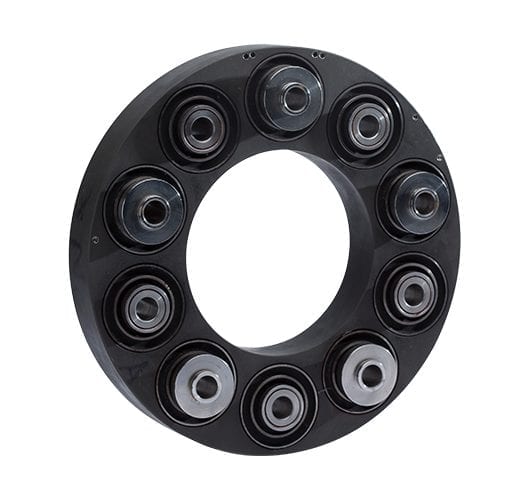
Impact of Elastomer Element Design on Rubber Coupling Performance
The design of the elastomer elements in a rubber coupling plays a critical role in determining its overall performance and capabilities. The elastomer elements are the heart of the coupling, responsible for transmitting torque, absorbing vibrations, and accommodating misalignments. The following aspects of elastomer element design significantly impact the coupling’s performance:
- Elastomer Material: The choice of elastomer material influences the coupling’s flexibility, damping characteristics, and resistance to wear. Different elastomers offer varying levels of resilience, chemical resistance, and temperature tolerance. Common elastomers used include natural rubber, synthetic rubber compounds, and polyurethane.
- Elastomer Hardness (Durometer): The durometer hardness of the elastomer affects its flexibility and ability to absorb vibrations. Softer elastomers have higher damping capabilities but may offer less torsional stiffness. Harder elastomers provide better torque transmission but may have reduced vibration isolation.
- Elastomer Shape and Geometry: The shape and geometry of the elastomer elements influence their flexibility and deformation characteristics. Different designs, such as cylindrical, star-shaped, or spider-shaped elements, affect the coupling’s ability to accommodate misalignments and transmit torque smoothly.
- Elastomer Bonding: The way the elastomer is bonded to the coupling’s hubs or inserts impacts the coupling’s overall durability and reliability. Proper bonding ensures that the elastomer effectively transfers torque and maintains its properties over time.
- Elastomer Properties Over Temperature: Elastomers can exhibit changes in performance with temperature fluctuations. Understanding how the chosen elastomer material behaves at different temperatures is essential for applications with varying operating conditions.
The design of the elastomer elements is a delicate balance between providing flexibility for vibration isolation and misalignment compensation while ensuring adequate torque transmission and overall coupling stiffness. Engineers must carefully select elastomer materials and design features based on the specific requirements of the application to achieve optimal coupling performance.
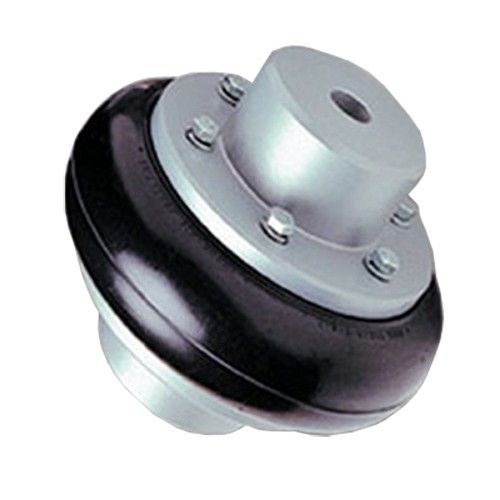
Comparison of Rubber Couplings with Other Flexible Coupling Types
Rubber couplings, elastomeric couplings, and disc couplings are all flexible coupling options used in various mechanical systems. Here’s a comparison of rubber couplings with these alternatives:
Rubber Couplings:
- Transmit torque while damping vibrations through the flexibility of rubber elements.
- Provide good misalignment compensation and shock absorption.
- Relatively simple construction and cost-effective.
- Effective in reducing noise and vibration in applications.
- Suitable for moderate to high torque applications with moderate misalignment.
Elastomeric Couplings:
- Similar to rubber couplings, utilize elastomeric materials for flexibility and vibration damping.
- Offer higher torque capacity and stiffness compared to rubber couplings.
- Provide better misalignment compensation and torsional stiffness.
- Wider range of sizes and configurations for various applications.
- Commonly used in pumps, compressors, and other machinery.
Disc Couplings:
- Use a series of metal discs to transmit torque and accommodate misalignment.
- Offer high torsional stiffness and accuracy in torque transmission.
- Can handle higher speeds and torque compared to rubber or elastomeric couplings.
- Require precision in manufacturing and installation.
- Used in applications requiring high precision and minimal backlash.
When choosing between these flexible coupling types, considerations such as torque requirements, misalignment compensation, torsional stiffness, and application-specific needs play a significant role in making the appropriate selection. Each type has its advantages and limitations, making it important to assess the specific requirements of the machinery system.
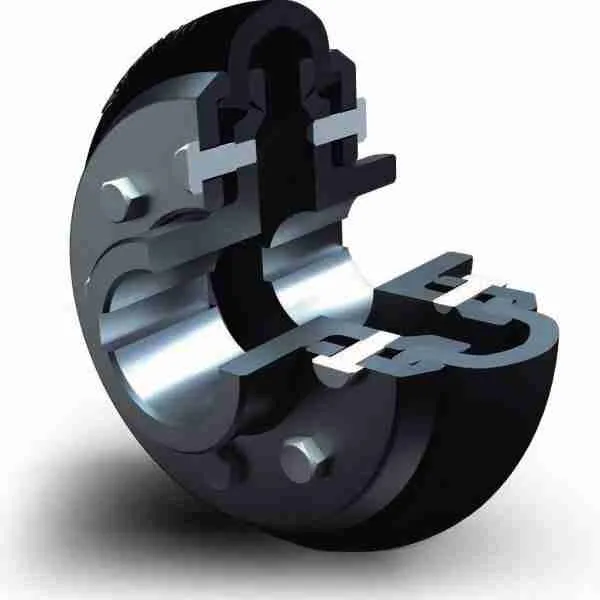
Factors to Consider When Selecting a Rubber Coupling
Choosing the right rubber coupling for a specific application involves considering various factors:
1. Torque Requirements: Evaluate the torque that needs to be transmitted between the input and output shafts. Select a coupling with a rubber element that can handle the required torque without exceeding its limits.
2. Misalignment Compensation: Determine the degree of misalignment (angular, axial, and radial) present in the system. Choose a rubber coupling with appropriate flexibility to accommodate the expected misalignment while maintaining efficient torque transmission.
3. Vibration Damping: Assess the level of vibrations and shocks in the application. Opt for a rubber coupling with effective vibration-damping properties to protect the machinery and enhance its reliability.
4. Service Environment: Consider the operating conditions, including temperature, humidity, exposure to chemicals, and potential contaminants. Select a rubber material that can withstand the environment without deteriorating.
5. Shaft Sizes: Ensure that the coupling’s bore sizes match the shaft diameters of the connected equipment. Proper shaft fitment is crucial for efficient torque transmission.
6. Maintenance Requirements: Evaluate the maintenance practices of the system. Some rubber couplings may require periodic inspection and replacement due to wear over time.
7. Cost and Budget: Factor in the budget constraints while choosing a suitable rubber coupling. Balancing performance and cost is essential for an optimal solution.
8. Application Type: Different industries and applications have unique requirements. Choose a coupling type (spider, jaw, tire, etc.) based on the specific needs of the application.
By carefully considering these factors, you can select a rubber coupling that provides efficient torque transmission, vibration isolation, and durability in your mechanical system.


editor by CX 2023-08-14
China OEM CZPT Cast Iron HRC Coupling (B/F/H) with Rubber for Oil Pump and Transmission Parts
Product Description
Product Description
We are the leading top Chinese coupling manufacturer, and are specializing in various high quality HRC coupling.
KASIN HRC Shaft Couplings
1. Material:the hub of the Couplings is Cast Iron,the Elastomer is Rubbe
2. OEM and ODM are available
3. High efficient in transmission
4. Finishing:The surface treatment is normally Phosphated and painting
5. High quality with competitive price
6. Different models suitable for your different demands
7. Stock for different bore size on both sides available.
8. Application in wide range of environment.
9. Quick and easy mounting and disassembly.
10. Resistant to oil and electrical insulation.
11. Identical clockwise and anticlockwise rotational characteristics.
12. Small dimension, low weight, high transmitted torque.
13. It has good performance on compensating the misalignment.
14.Feature of couplings:free of maintenance,simple structure and easy to install.
15.Application:Mainly used in the mining, metallurgical, cement, chemicals, construction, building materials, electric power, telecommunications, textiles, and transportation departments.
Techncial Date
Related Products
Roller Chain Coupling FCL Coupling Curved Jaw Coupling
Manufacturing
Applications:
NM couplings are offered in the industry’s largest variety of stock bore/keyway combinations. These couplings require no lubrication and provide highly reliable service for light, medium, and heavy duty electrical motor and internal combustion power transmission applications. Applications include power transmission to industrial equipment such as pumps, gear boxes, compressors, blowers, mixers, and conveyors.
About Us
Kasin group was established in 1989, and its first product is casting carrier trolley for power & free conveyor system. In 1995, CZPT purchased HangZhou Guoping Forging Factory (LYGP), a marketer of forging bolts & nuts to power & free line market in china. With this acquisition, CZPT positioned itself as 1 of major parts suppliers of monorail and power & free conveyor system in china.
In 2/8822 0571 -57152031 Fax: 86~/8822 0571 -57152030
Http://kasinchain
Durometer Hardness in Rubber Coupling Materials
Durometer hardness is a measure of the material’s resistance to indentation or penetration by a specified indenter. In rubber couplings, durometer hardness is a critical characteristic that influences their performance. It is typically measured using a durometer instrument.
The durometer hardness scale commonly used for rubber materials is the Shore durometer scale, indicated by a letter followed by a numerical value (e.g., Shore A, Shore D). Lower durometer values indicate softer and more flexible rubber, while higher values indicate harder and less flexible rubber.
In relation to rubber couplings:
- Higher Durometer (Harder Rubber): Couplings made from harder rubber materials have better torque transmission capabilities and higher load-bearing capacity. However, they may offer less vibration isolation and misalignment compensation.
- Lower Durometer (Softer Rubber): Couplings made from softer rubber materials provide greater flexibility, vibration damping, and misalignment compensation. They are suitable for applications where vibration reduction is crucial.
The choice of durometer hardness depends on the specific requirements of the application, including torque levels, vibration, misalignment, and desired performance characteristics.
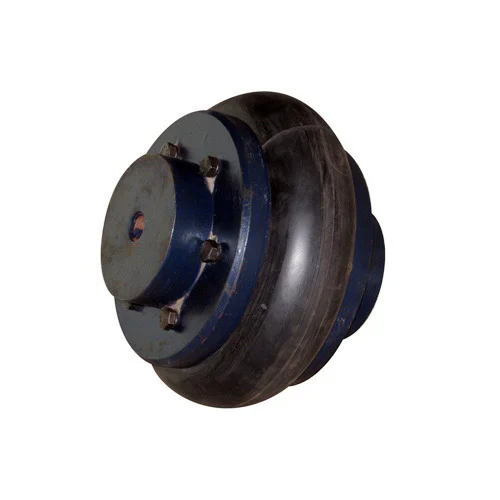
Common Rubber Materials Used in Manufacturing Rubber Couplings
Various rubber materials are used in the manufacturing of rubber couplings, each chosen based on its specific properties and the intended application:
- Neoprene: Known for its oil and chemical resistance, neoprene rubber is used in couplings that require durability and resistance to harsh environments.
- Nitrile: Nitrile rubber offers excellent oil and fuel resistance, making it suitable for applications in machinery that involve contact with lubricants.
- Natural Rubber: Natural rubber provides good elasticity and flexibility, making it suitable for couplings requiring high levels of shock and vibration absorption.
- EPDM: Ethylene Propylene Diene Monomer (EPDM) rubber offers good resistance to weather, ozone, and aging, making it suitable for outdoor or high-temperature applications.
- Polyurethane: Polyurethane rubber offers high abrasion resistance and can handle higher load capacities, making it suitable for heavy-duty applications.
The choice of rubber material depends on factors such as the operating environment, chemical exposure, temperature range, flexibility requirements, and load conditions. Engineers select the appropriate rubber material to ensure the coupling’s performance and longevity in specific applications.
Factors to Consider When Selecting a Rubber Coupling
Choosing the right rubber coupling for a specific application involves considering various factors:
1. Torque Requirements: Evaluate the torque that needs to be transmitted between the input and output shafts. Select a coupling with a rubber element that can handle the required torque without exceeding its limits.
2. Misalignment Compensation: Determine the degree of misalignment (angular, axial, and radial) present in the system. Choose a rubber coupling with appropriate flexibility to accommodate the expected misalignment while maintaining efficient torque transmission.
3. Vibration Damping: Assess the level of vibrations and shocks in the application. Opt for a rubber coupling with effective vibration-damping properties to protect the machinery and enhance its reliability.
4. Service Environment: Consider the operating conditions, including temperature, humidity, exposure to chemicals, and potential contaminants. Select a rubber material that can withstand the environment without deteriorating.
5. Shaft Sizes: Ensure that the coupling’s bore sizes match the shaft diameters of the connected equipment. Proper shaft fitment is crucial for efficient torque transmission.
6. Maintenance Requirements: Evaluate the maintenance practices of the system. Some rubber couplings may require periodic inspection and replacement due to wear over time.
7. Cost and Budget: Factor in the budget constraints while choosing a suitable rubber coupling. Balancing performance and cost is essential for an optimal solution.
8. Application Type: Different industries and applications have unique requirements. Choose a coupling type (spider, jaw, tire, etc.) based on the specific needs of the application.
By carefully considering these factors, you can select a rubber coupling that provides efficient torque transmission, vibration isolation, and durability in your mechanical system.
editor by CX 2023-08-11
China Best Sales Nm148 Elastic / Flexible Pump Motor Shaft Torsional Rubber HRC Coupling
Product Description
Product Description
Product Parameters
| product | Nm148 Elastic / flexible Pump Motor Shaft Torsional Rubber HRC Star Spider Plum Jaw Coupling |
| material | stainless steel , iron , aluminum ,bronze ,carbon steel ,brass etc . |
| size | ISO standard ,customer requirements |
| BORE | Finished bore, Pilot Bore, Special request |
| surface treatment | Carburizing and Quenching,Tempering ,Tooth suface high quenching Hardening,Tempering |
| Processing Method | Molding, Shaving, Hobbing, Drilling, Tapping, Reaming, Manual Chamfering, Grinding etc |
| Heat Treatment | Quenching & Tempering, Carburizing & Quenching, High-frequency Hardening, Carbonitriding…… |
| Package | Wooden Case/Container and pallet, or made-to-order |
| Certificate | ISO9001 ,SGS |
| Machining Process | Gear Hobbing, Gear Milling, Gear Shaping, Gear Broaching, Gear Shaving, Gear Grinding and Gear Lapping |
| Applications | Toy, Automotive, instrument, electrical equipment, household appliances, furniture, mechanical equipment,daily living equipment, electronic sports equipment, , sanitation machinery, market/ hotel equipment supplies, etc. |
| Testing Equipment | Rockwell hardness tester 500RA, Double mesh instrument HD-200B & 3102,Gear measurement center instrument CNC3906T and other High precision detection equipments |
workshop & equipment
Production process
Certifications
Our Advantages
1 . Prioritized Quality
2 .Integrity-based Management
3 .Service Orientation
4 .150+ advanced equipment
5 .10000+ square meter factory area
6 .200+ outstanding employees
7 .90% employees have more than 10 year- working experience in our factory
8 .36 technical staff
9 .certificate ISO 9001 , SGS
10 . Customization support
11 .Excellent after-sales service
shipping
sample orders delivery time:
10-15 working days as usual
15-20 working days in busy season
large order leading time :
20-30 working days as usual
30-40 working days in busy season
FAQ
1. why should you buy products from us not from other suppliers?
We are a 32 year-experience manufacturer on making the gear, specializing in manufacturing varieties of gears, such as helical gear ,bevel gear ,spur gear and grinding gear, gear shaft, timing pulley, rack, , timing pulley and other transmission parts . There are 150+ advanced equipment ,200+ excellent employees ,and 36 technical staff . what’s more ,we have got ISO9001 and SGS certificate .
2 .Do you accept small order?
If your order bearings are our standard size, we accept even 1pcs.
3 .How long is the delivery?
A: Small orders usually takes 10-15 working days,big order usually 20-35 days, depending on orders quantity and whether are standard size.
Signs of Wear or Deterioration in Rubber Couplings
Rubber couplings can show signs of wear and deterioration over time due to factors like torque, temperature, and environmental conditions. To identify potential issues, watch out for the following signs:
- Visible Cracks or Damage: Inspect the rubber element for visible cracks, tears, or physical damage. Such issues can weaken the coupling’s torque transmission and vibration damping capabilities.
- Reduced Flexibility: Stiff or less flexible rubber indicates material degradation, which can impact the coupling’s ability to accommodate misalignment and absorb vibrations.
- Increased Vibrations: Excessive machinery vibrations may suggest worn-out rubber couplings. Deterioration of the rubber diminishes its vibration dampening properties.
- Unusual Noises: Any unusual sounds like squeaking or knocking might point to improper rubber coupling function and the need for inspection.
- Altered Performance: Decline in machinery performance, such as reduced torque transmission or higher energy consumption, can indicate coupling wear.
Regular inspections, visual checks, vibration analysis, and performance monitoring can help detect wear and deterioration early. This enables timely replacement and avoids operational problems.
editor by CX 2023-08-09
China Custom 2*1 1/4″ Ductile Iron Grooved Pipe Fittings Reducing Coupling Factory Price manufacturer
Product Description
1nuo /YINUO Pipe Fittings Standard Grooved Pipe Fittings grooved coupling
production process
A rough castings of grooved fittings will be processed and produced by electric-furnice smelting,on-line monitoring and control and automatic molding methods.
Product Parameters
1. High Pressure Coupling Specification:
| Size | Pipe O.D | Working Pressure | Bolt Size |
| mm/in | PSI/MPa | No.-Size mm | |
| 25 1 |
33.7 1.327 |
750 5.17 |
2-M10*45 |
| 32 1¼ |
42.4 1.669 |
750 5.17 |
2-M10*45 |
| 40 1 1/2 |
48.3 1.900 |
750 5.17 |
2-M10*45 |
| 50 2 |
60.3 2.375 |
750 5.17 |
2-M10*55 |
| 65 2 1/2 |
73 2.875 |
750 5.17 |
2-M10*55 |
| 65 3OD |
76.1 3.000 |
300 2.07 |
2-M10*55 |
| 80 3 |
88.9 3.500 |
750 5.17 |
2-M10*60 |
| 100 4 |
114.3 4.500 |
750 5.17 |
2-M10*65 |
| 125 5.5OD |
139.7 5.500 |
750 5.17 |
2-M10*75 |
| 150 6 OD |
165.1 6.500 |
750 5.17 |
2-M10*75 |
| 150 6 |
168.3 6.625 |
750 5.17 |
2-M10*75 |
| 200 8 |
219.1 8.625 |
750 5.17 |
2-M10*100 |
| 250 10 |
273.0 10.748 |
750 5.17 |
2-M10*130 |
| 300 12 |
323.9 12.752 |
750 5.17 |
2-M10*130 |
Product Details
| Material | Ductile Iron-ASTM A536 |
| Thread Standard | BSPT/ BSPP/ NPT |
| Bolt and Nut | Cold Heading Steel- Gold color |
| Pressure | 750 CZPT – 5.17Mpa |
| Finish | Epoxy/ Painted / Galvanized |
| Color | Ral 3000 Red / Orange/ Blue/ White |
| Brand | 1NUO |
| Package | Cartons with Pallet / Wooden Case |
| Delivery Time | 20-40 days as per ever order |
| Capacity | Four Automatic Vertical Production Lines |
| Application | 1. fire fighting& fire sprinkler system for commercial and civil fire protection construction, such as water supplying, gas supplying, air-conditioning etc. |
| 2. Industrial pipeline system in shipping, mine, oil field, cement, mine piping , chemical plant etc. | |
| 3. Ordinary piping delivery in sewage treatment, Subway station, airport etc. |
Gasket:
| Gasket | Material | Temperature Range | Recommendations |
| E | EPDM | -34ºC~ +110ºC | Recommended for hot water, dilute acid, oil-free gas and other chemicals(except for hydrocarbon ) within the specified temperature range. Not recommended for petroleum and hydrocarbon. |
| D | NBR | -29ºC~ +82ºC | Recommended for petroleum products, gas with oil vapors, mineral oil and vegetable oil. Not recommended for high temperature materials. |
| S | Silicon Rubber | -40ºC~ +177ºC | Recommended for high temperature and dry air, and some high temperature chemicals. |
Certifications
FM Approved&UL Listed&CE Certificate
Packaging & Shipping
To better ensure the safety of your goods, professional, environmentally friendly, convenient and efficient packaging services will be provided.
Company Profile
HangZhou CZPT has strong technical strength and possesses the world’s first-class equipment and technology, as well as perfect testing methods. All rough castings of grooved fittings will be processed and produced by electric-furnace smelting, on-line monitoring and control and automatic molding methods. Now our facilities include 11 medium frequency furnace, 4 advanced vertical parting molding lines and 3 painting lines. Every customer’s requirements can be satisfied by customized services.
Yinuo’s ductile iron grooved fittings have successively passed the China national type test, ISO 9001 and FM&UL approvals etc. Our products are underwritten by China Ping An Insurance(Group) Co.,Ltd. The grooved pipe fittings are widely used in fire fighting, air-conditioning, water supply, sewage, cement, low-pressure steaming, mine piping and ordinary piping delivery.
ø Corporate Vision: Where there is pipes, there is YINUO.
ø Corporate Mission: Connecting pipeline around the world, benefiting homes in every building.
ø Competitive Strategy: To supply market with perfect products, to win customers with excellent service.
ø Core Value: Pragmatic honesty, quality first, continuous innovation and CZPT cooperation.
ø Quality Value: We survive with quality and develop by technology.
Range of products
Rigid coupling, Flexible coupling, 90° Elbow, 45° Elbow, 22.5° Elbow, 11.25° Elbow, Tee, Reducing Tee(Grooved/Threaded), Cross, Reducing Cross(Grooved/Threaded), Mechnical Tee(Grooved/Threaded), Mechnical Cross(Grooved/Threaded), U-bolted Mechnical Tee, Reducer(Grooved/Threaded), Grooved Eccentric Reducer, Grooved Split Flange, Grooved Adaptor Flange, Cap.
Application: As 1 of the most popular fittings in fire fighting systems, the grooved pipe fittings are widely used in fire fighting, air-conditioning, water supply, sewage, cement, oil&gas pipeline, mine piping and ordinary piping delivery. CZPT is spreading all over the world and winning the appreciations from users at home and abroad.
FAQ
Q1. Are you manufactrer?
A: Yes, we are manufacturing&trading combo.
Q2. What are your terms of delivery?
A: EXW, FOB, CFR, CIF.
Q3. What is your delivery time?
A: The time of delivery is around 15-20 days, depending on order quantity.
Q4: Can you provide us with some samples for testing?
A: Of course, we can offer you samples. The sample is free, you only need to bear the freight.
Q5. What is your payment terms?
A: We accept 30% T/T in advance, 70% in the period of shipment or L/C at sight.
Q6. Could you specially design and produce for clients?
A: Sure, we have all kinds of professional engineers.We can design and produce special products according to customers’ request. Such as: special size, special control, OEM, etc.
| Connection: | Press Connection |
|---|---|
| Structure: | Control |
| Flexible or Rigid: | Rigid |
| Material: | Ductile Iron |
| Standard: | Standard |
| Transport Package: | Cartons with Pallet / Wooden Case |
| Samples: |
US$ 0.95/Piece
1 Piece(Min.Order) | |
|---|
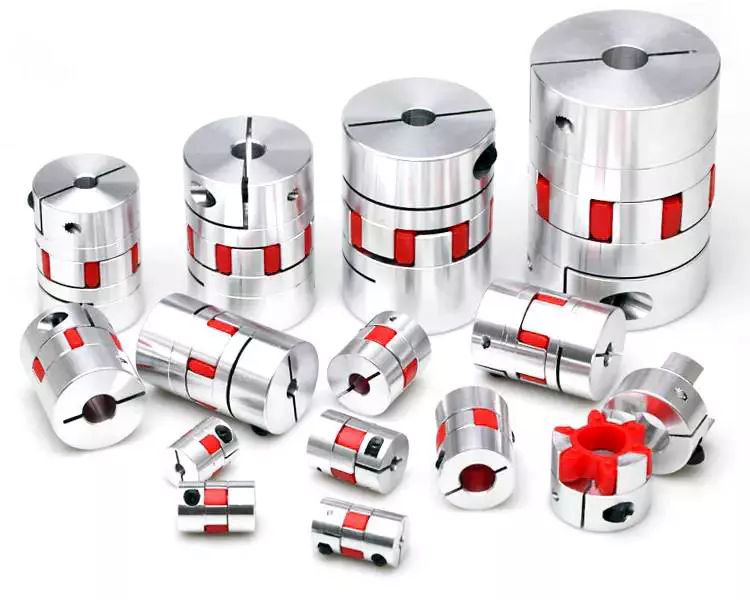
Functions and Modifications of Couplings
A coupling is a mechanical device that connects two shafts and transmits power. Its main purpose is to join two rotating pieces of equipment together, and it can also be used to allow some end movement or misalignment. There are many different types of couplings, each serving a specific purpose.
Functions
Functions of coupling are useful tools to study the dynamical interaction of systems. These functions have a wide range of applications, ranging from electrochemical processes to climate processes. The research being conducted on these functions is highly interdisciplinary, and experts from different fields are contributing to this issue. As such, this issue will be of interest to scientists and engineers in many fields, including electrical engineering, physics, and mathematics.
To ensure the proper coupling of data, coupling software must perform many essential functions. These include time interpolation and timing, and data exchange between the appropriate nodes. It should also guarantee that the time step of each model is divisible by the data exchange interval. This will ensure that the data exchange occurs at the proper times.
In addition to transferring power, couplings are also used in machinery. In general, couplings are used to join two rotating pieces. However, they can also have other functions, including compensating for misalignment, dampening axial motion, and absorbing shock. These functions determine the coupling type required.
The coupling strength can also be varied. For example, the strength of the coupling can change from negative to positive. This can affect the mode splitting width. Additionally, coupling strength is affected by fabrication imperfections. The strength of coupling can be controlled with laser non-thermal oxidation and water micro-infiltration, but these methods have limitations and are not reversible. Thus, the precise control of coupling strength remains a major challenge.
Applications
Couplings transmit power from a driver to the driven piece of equipment. The driver can be an electric motor, steam turbine, gearbox, fan, or pump. A coupling is often the weak link in a pump assembly, but replacing it is less expensive than replacing a sheared shaft.
Coupling functions have wide applications, including biomedical and electrical engineering. In this book, we review some of the most important developments and applications of coupling functions in these fields. We also discuss the future of the field and the implications of these discoveries. This is a comprehensive review of recent advances in coupling functions, and will help guide future research.
Adaptable couplings are another type of coupling. They are made up of a male and female spline in a polymeric material. They can be mounted using traditional keys, keyways, or taper bushings. For applications that require reversal, however, keyless couplings are preferable. Consider your process speed, maximum load capacity, and torque when choosing an adaptable coupling.
Coupling reactions are also used to make pharmaceutical products. These chemical reactions usually involve the joining of two chemical species. In most cases, a metal catalyst is used. The Ullmann reaction, for instance, is an important example of a hetero-coupling reaction. This reaction involves an organic halide with an organometallic compound. The result is a compound with the general formula R-M-R. Another important coupling reaction involves the Suzuki coupling, which unites two chemical species.
In engineering, couplings are mechanical devices that connect two shafts. Couplings are important because they enable the power to be transmitted from one end to the other without allowing a shaft to separate during operation. They also reduce maintenance time. Proper selection, installation, and maintenance, will reduce the amount of time needed to repair a coupling.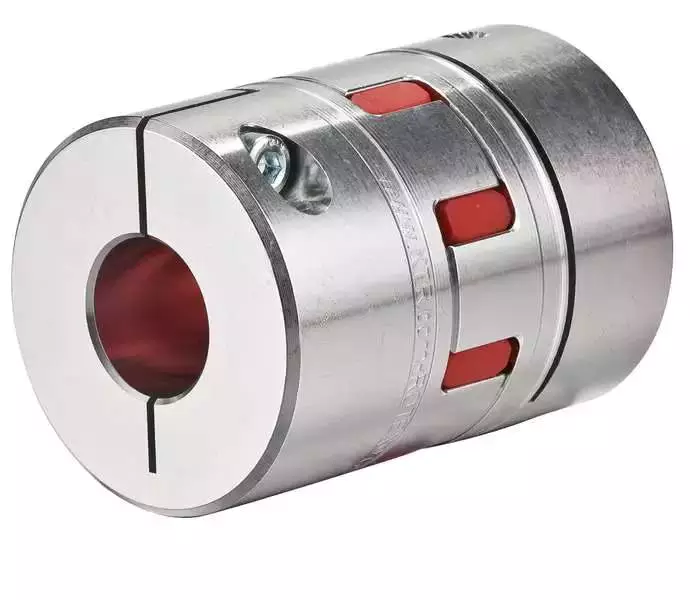
Maintenance
Maintenance of couplings is an important part of the lifecycle of your equipment. It’s important to ensure proper alignment and lubrication to keep them running smoothly. Inspecting your equipment for signs of wear can help you identify problems before they cause downtime. For instance, improper alignment can lead to uneven wear of the coupling’s hubs and grids. It can also cause the coupling to bind when you rotate the shaft manually. Proper maintenance will extend the life of your coupling.
Couplings should be inspected frequently and thoroughly. Inspections should go beyond alignment checks to identify problems and recommend appropriate repairs or replacements. Proper lubrication is important to protect the coupling from damage and can be easily identified using thermography or vibration analysis. In addition to lubrication, a coupling that lacks lubrication may require gaskets or sealing rings.
Proper maintenance of couplings will extend the life of the coupling by minimizing the likelihood of breakdowns. Proper maintenance will help you save money and time on repairs. A well-maintained coupling can be a valuable asset for your equipment and can increase productivity. By following the recommendations provided by your manufacturer, you can make sure your equipment is operating at peak performance.
Proper alignment and maintenance are critical for flexible couplings. Proper coupling alignment will maximize the life of your equipment. If you have a poorly aligned coupling, it may cause other components to fail. In some cases, this could result in costly downtime and increased costs for the company.
Proper maintenance of couplings should be done regularly to minimize costs and prevent downtime. Performing periodic inspections and lubrication will help you keep your equipment in top working order. In addition to the alignment and lubrication, you should also inspect the inside components for wear and alignment issues. If your coupling’s lubrication is not sufficient, it may lead to hardening and cracking. In addition, it’s possible to develop leaks that could cause damage.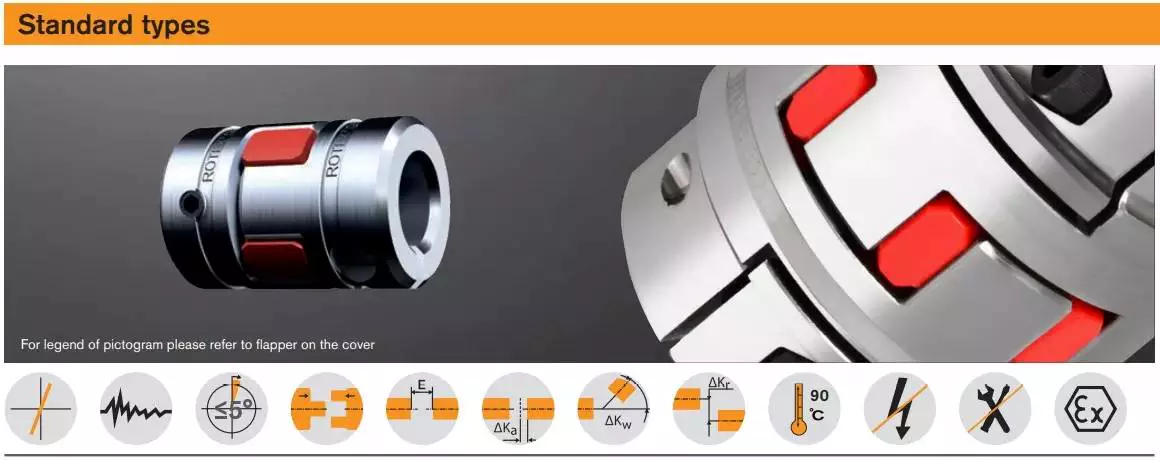
Modifications
The aim of this paper is to investigate the effects of coupling modifications. It shows that such modifications can adversely affect the performance of the coupling mechanism. Moreover, the modifications can be predicted using chemical physics methods. The results presented here are not exhaustive and further research is needed to understand the effects of such coupling modifications.
The modifications to coupling involve nonlinear structural modifications. Four examples of such modifications are presented. Each is illustrated with example applications. Then, the results are verified through experimental and simulated case studies. The proposed methods are applicable to large and complex structures. They are applicable to a variety of engineering systems, including nonlinear systems.
editor by CX 2023-07-31
China Professional Yox-250 Hydraulic Air Coupling Constant Filling Fluid Couplings coupling electrical
Product Description
Fluid coupling
Product ApplicationImprove the starting capability of electric motor, protect motor against overloading, damp shock, load fluctuation and torsional vibration, and balance and load distribution in case of multimotor drives.Belt conveyers, csraper conveyers, and conveyers of all kinds Bucket elevators, ball mills, hoisters, crushers, excavators, mixers, straighteners, cranes, etc. Main Features1. Applies to flexible drive shaft ,allowing a larger axial radial displacement and displacement.
|
|||||||
|
Related Products |
|||||||
| Our Company | |||||||
|
Ever-power Group specialist in making all kinds of mechanical transmission and hydraulic transmission like: planetary gearboxes, worm reducers, in-line helical gear speed reducers, parallel shaft helical gear reducers, helical bevel reducers, helical worm gear reducers, agricultural gearboxes, tractor gearboxes, auto gearboxes, pto shafts, special reducer & related gear components and other related products, sprockets, hydraulic system, vacuum pumps, fluid coupling, gear racks, chains, timing pulleys, udl speed variators, v pulleys, hydraulic cylinder, gear pumps, screw air compressors, shaft collars low backlash worm reducers and so on. furthermore, we can produce customized variators, geared motors, electric motors and other hydraulic products according to customers’ drawings. We provides a reliable grantee for the product’ s quality by advanced inspection and testing equipment. professional technical team, exquisite processing technology and strict control system. |
|||||||
| Material available Low carbon steel, C45, 20CrMnTi, 42CrMo, 40Cr, stainless steel. Can be adapted regarding customer requirements. |
Surface treatment Blacking, galvanization, chroming, electrophoresis, color painting, …
|
Heat treatment High frequency quenching heat treatment, hardened teeth, carbonizing, nitride, … |
|||||
| Certifications | |||||||
| FAQ:
Q: Are you trading company or manufacturer ? Q: Do you provide samples ? is it free or extra ? Q: How long is your delivery time ? What is your terms of payment ? Q: What is the exact MOQ or price for your product ? If you have another question, please feel free to contact us. |
|||||||
| Packing & Delivery | |||||||
| Type: | Custom |
|---|---|
| Usage: | Agricultural Products Processing, Farmland Infrastructure |
| Material: | Custom |
| Power Source: | Custom |
| Weight: | Custom |
| After-sales Service: | 5 Years |
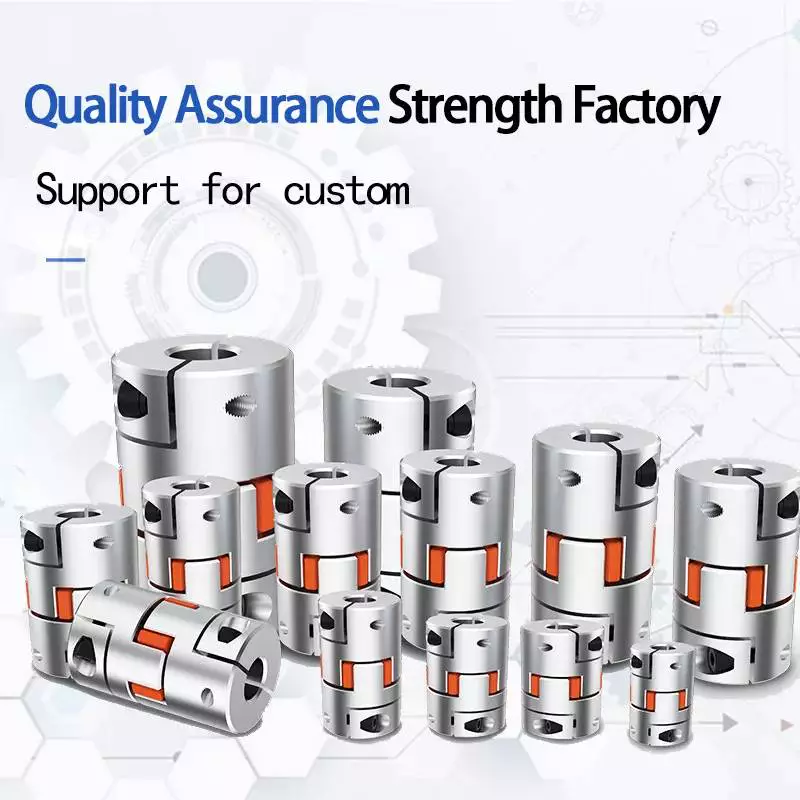
Understanding the Different Types of Couplings
A coupling is a device that joins two rotating shafts together. It transmits power from one to the other and is designed to allow some amount of end-movement and misalignment. It is a simple mechanism that is extremely common in many industries. Learn more about couplings in this article.
Flexible coupling
When choosing the correct flexible coupling for your application, there are several factors to consider. One of the most important factors is backlash, which is the amount of rotational play introduced by moving parts. Other factors to consider include lubrication and accessibility for maintenance. Choosing the right flexible coupling can be challenging, but it is possible to find the right fit for your specific application.
A flexible coupling is an excellent choice for applications that require high alignment accuracy, which is essential for reliable system performance. These couplings can compensate for angular and parallel misalignment, ensuring proper positioning between the driving and driven shafts. In addition, flexible couplings are more affordable than most traditional couplings.
The most common flexible coupling is the elastomeric type, which uses a resilient material to transmit torque. These couplings can be made of plastic or rubber. In either case, they can be relatively lightweight compared to other types of couplings. Elastomeric couplings can also be used for high-speed applications.
Another important factor to consider when selecting the best Flexible Coupling is the pipe you’re connecting. Some couplings are easier to install than others, and some even have tapered edges to make them slide easily on the pipe. Regardless of the choice you make, it’s crucial to remember that proper installation is critical for reliability and safety.
CZPT coupling
An CZPT coupling is a flexible, mechanical coupling that features a high degree of angular misalignment and eccentricity. They are available in different lengths, with MOL being the longest. They are ideal for applications that involve high parallel misalignment, limited assembly access, electrical insulation, and other conditions.
CZPT couplings are a versatile type of coupling, and they are often used to connect parallel shafts. They work by transmitting torque from one to the other using the same speed and rotation mechanism. They are available in various materials, including aluminum, brass, and polymers. In addition, they can work under high temperatures.
One of the main benefits of using an CZPT coupling is the fact that it does not require the use of a gearbox. These couplings are flexible, and their design allows them to cope with misalignment problems that may occur in power transmission applications. They are also able to absorb shock.
Another advantage of CZPT couplings is that they are suitable for systems with low-to-medium amounts of shaft misalignment. Because their friction is limited to the surface of the hubs, they are able to accommodate low bearing loads. CZPT couplings can also be used in systems with limited shaft access, since the disks are easily removed.
Clamped coupling
Clamped couplings are designed to provide a high-strength connection between two objects. A standard coupling has two parts: a nipple and a clamp sleeve. Each part is designed in such a way as to cooperate with each other. The sleeve and clamp are made of rubber. A reinforcing braid is often used to protect the exposed steel braid from rusting.
PIC Design provides a wide variety of standard clamping couplings for many different industries. These include medical, dental, military, laboratory, and precision industrial control equipment. They have a simple design that makes them ideal for these applications. Clamped couplings are also available for custom manufacturing. These couplings are available in metric, inch, and Metric.
The most common type of clamp coupling is a hose clamp. This type of coupling is used to connect two hoses or piping units. It consists of two conical binding sleeves that fit into the ends of the two parts. The coupling is then tightened with a screwdriver. It’s a versatile coupling because it allows two piping units or hoses to be joined together.
Another type of clamp coupling is the two-piece clamp coupling. The two-piece design allows for a quick and easy installation. Unlike other types of couplings, the clamp coupling is not necessary to remove the bearings before installing it. Its keyway is designed with shims in place so that it fits over the shaft. These couplings are available in different sizes, and they are made of steel or dutile iron.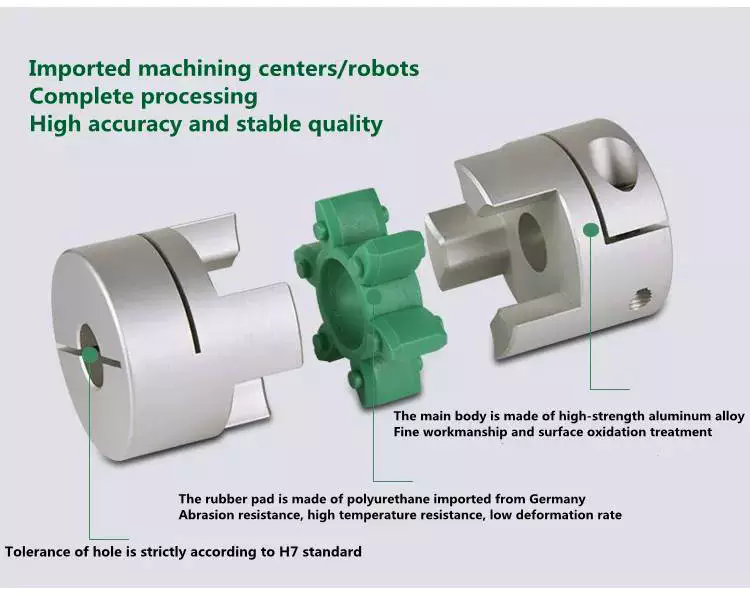
Helicoidal coupling
Helicoidal coupling is a form of nonlinear coupling between two molecules. It occurs when the molecules in a double helix are subjected to oscillations. These oscillations can occur either in the right or left-handed direction. These oscillations are called solitons. Helicoidal coupling can provide quantitative or qualitative support to a structure, such as an electron.
Split Muff coupling
The Split-Muff Coupling market report provides detailed market analysis and key insights. The study covers the market size, segmentation, growth and sales forecast. It also examines key factors driving the market growth and limiting its development. The report also covers current trends and vendor landscapes. Therefore, you can get a deep understanding of the Split-Muff Coupling industry and make the right business decisions.
The report also provides data on the competitive landscape and the latest product and technology innovations. It also provides information on market size, production and income. It also covers the impact of the COVID-19 regulations. The market report is a valuable resource for companies looking to expand their businesses, or to improve existing ones.
In terms of application, Split-Muff Couplings can be used in light to medium duty applications. They are shaped like a semi-cylindrical disc that fits over a shaft. Both parts are threaded for assembly and disassembly. It can be disassembled easily and quickly, and can be used for medium to heavy-duty applications with moderate speeds.
Split Muff couplings are the most popular type of couplings for transferring wet and abrasive materials. Their flanged end fits on most major brands of smooth material muff hoses. In addition, this type of coupling is corrosion-resistant and easy to install. It also does not require any adjustments to the drive shaft’s position.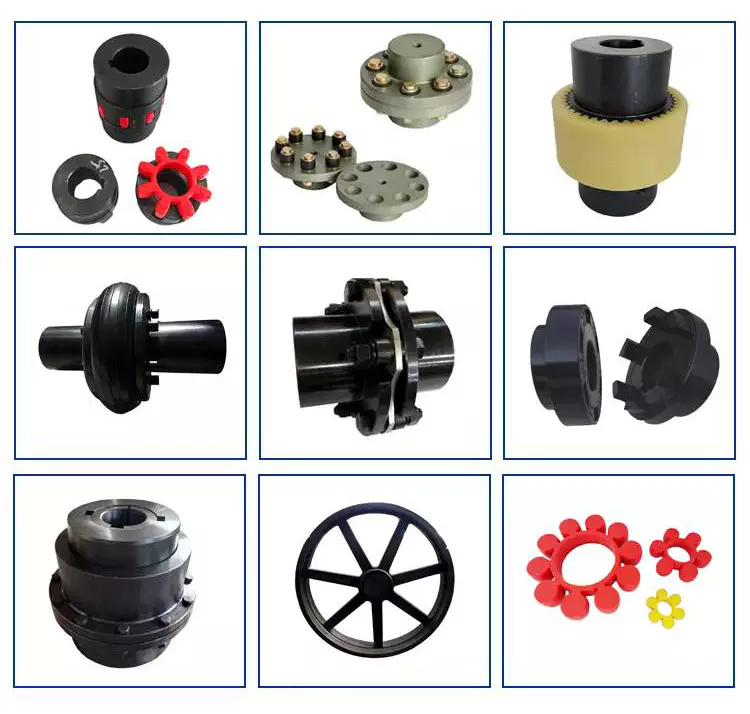
Flexible beam coupling
The Flexible beam coupling is one of the most popular types of couplings in the industry. It is comprised of two sets of parallel coils separated by a solid member, and it offers a wide range of torsional stiffness. These couplings are made of aluminum alloy or stainless steel. They offer excellent flexibility and are less expensive than many other types of couplings. They also require zero maintenance and can tolerate shaft misalignment.
Beam couplings are categorized into two types: helical and axial. The former is characterized by a high degree of flexibility, while the latter is used to compensate for higher misalignment. Both types are suitable for small torque applications and are available in a wide range of shaft sizes.
Flexible beam couplings are available in metric and US sizes, and feature a variety of options. They feature stainless steel or aluminum materials and are highly durable and corrosion-resistant. They also offer high torque capacities and excellent fatigue resistance. Flexible beam couplings are available with a wide range of options to meet your unique application needs.
editor by CX 2023-07-13
China Custom Grooved Fitting Rigid Coupling for Fire Fighting System cast of coupling
Product Description
Grooved Fitting Rigid Coupling For Fire Fighting System
Type: Rigid Coupling, Flexible Coupling (rubber gasket and bolts included)
Technique: Casting
Size: DN25-300(1″-12″) or as customer’s requirement
We can also produce according to your drawings.
Material:
Ductile Iron to ASTM A536, Gr. 65-45-12 and or to ASTM A395,
Gr. 65-45-15, min. tensile strength 65,000 CZPT (448 MPa).
Standard: DIN, ASTM, JIS, ANSI etc. or according to customer’s drawing
Surface Furnish: Paint, Epoxy or Galvanization,Decomet
Applications:
Fire protection, Water supply system, General pipe system , Air-conditioning, Sewage system, Cement pipe system, Mine pipe system
Advantage:
Easy to assemble and disassembel, easy to operate
If you have demand of the product, please feel free to contact us.
| Product: | FM UL Ductile Casting Iron Grooved Pipe Fittings |
| Series: | Rigid coupling, Flexible coupling, Elbow, Tee, Cross, Mechanical Tee, Reducer, Adaptor Flange, Convoluted Flange, Split Flange |
| Standard: | Ductile Iron: conform to ASTM A536 Gr.65-45-12 Groove Standard: AWWA C606-Groove and Shouldered Joints Thread Standard: NPT, BSPT, BSP/RC Bolts and Nuts: ASTM A449 |
| Techonology: | Casting |
| Size: | 1″-12″, special size and design according to customer’s drawing |
| Pressure | 300PSI/2.07Mpa |
| Surface | Dacromet, Galvanized, Paiting(Red(RAL3000), Orange, Blue) |
| Certificate | FM , UL, ISO |
| Packing | 1) Carton boxes, plywood pallet(1CBM)with plastic film,30boxes per pallet at most. 2) Plywood cases(1CBM). Or as customer’s requirement. 3)Plastic bag with single item(This is not our ordinary packing, but can do as customer’s requirement |
Contact us
Contact us for the latest price and details NOW!
| After-sales Service: | Change/Return |
|---|---|
| Warranty: | 10 Year |
| Material: | Iron |
| Connection: | Press Connection |
| Surface Furnish: | Paint, Epoxy or Galvanization, Decomet |
| Type: | Rigid Coupling, Flexible Coupling |
| Samples: |
US$ 1/Piece
1 Piece(Min.Order) | |
|---|
| Customization: |
Available
| Customized Request |
|---|
Types of Couplings
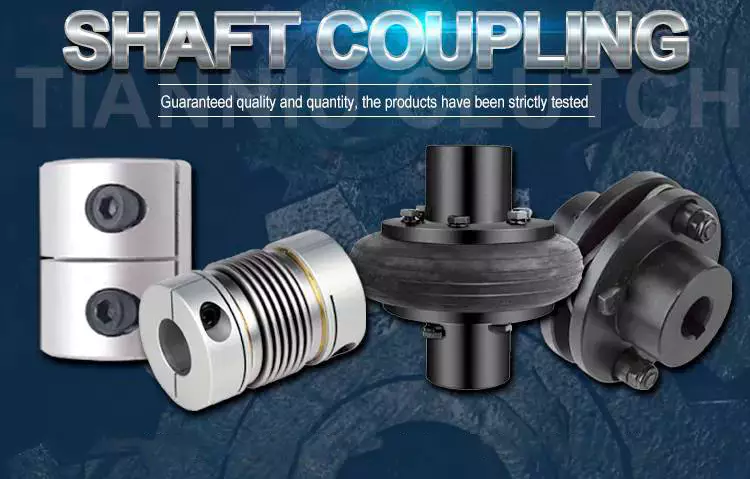
A coupling is a device that connects two shafts together. It transmits power from one end to another and is used for joining rotating equipment. A coupling is flexible and can accommodate a certain amount of end movement and misalignment. This allows for more flexibility in applications. Various types of couplings are available, and each one serves a specific purpose.
Shaft couplings
There are many types of shaft couplings, and they are used in a wide range of applications. The type you need depends on the torque, speed, and horsepower you need, as well as the size of the shaft and its spatial limitations. You may also need to consider whether the coupling will accommodate misalignment.
Some shaft couplings are flexible, while others are rigid. Flexible couplings can accommodate up to two degrees of misalignment. They are available in different materials, including aluminum, stainless steel, and titanium. They can also be known by different names, depending on the industry. Some couplings can also be used in a single or multiple-shaft application.
The first type of shaft coupling is a rigid coupling, which consists of two parts that fit together tightly around the shafts. These couplings are designed to have more flexibility than sleeved models, and they can be used on fixed shafts as well. The flanged coupling, on the other hand, is designed for heavy loads and is made of two perpendicular flanges. The flanges are large enough to accommodate screws and are generally used with heavy-duty applications.
CZPT shaft couplings are a great choice if you’re looking for a shaft coupling that delivers high performance, durability, and low cost. These metal disc-style couplings provide low backlash and high torsional stiffness. Their high misalignment tolerance reduces reaction loads on connected components, which makes them ideal for high-speed precision applications. Available in single and double-disc models, they have torque ratings of up to 2,200 in-lbs. (250N) and are available in fourteen sizes.
When using shaft couplings, it is important to choose the right type for your application. Backlash can cause a shaft coupling to break or become unusable. In order to prevent this from happening, you should replace worn or loose parts, and ensure that the hub and key are evenly positioned with the shaft. If you’re using a shaft coupling in a motion-control system, it is important to keep the torque level consistent.
Flexible couplings
Flexible couplings are a type of coupling used to connect two shafts. They are made of rubber or plastic and allow for axial movement of the connected equipment. They do not require lubrication and are resistant to fatigue failure. Flexible couplings are useful for a number of applications. A common type of flexible coupling is the gear coupling, which has gear teeth inside its sleeve. Another type of flexible coupling is the metallic membrane coupling. A metallic membrane coupling is flexible due to flexing metallic discs.
One major disadvantage of flexible couplings is their inability to fit certain types of pipe. This is because most couplings need to be stretched to fit the pipe. This problem is often the result of a change in pipe technology. Traditionally, drain and soil pipe is made of ductile iron or cast iron. Today, most pipes are made of PVC, which has a larger outside diameter than either cast or ductile iron. Because of these changes in pipe technology, many coupling manufacturers have not updated their mold sizing.
Flexible couplings can be either metallic, elastomeric, or a combination of the three. While there are some common characteristics of each type, you should always consider the tradeoffs of each type before choosing one. Generally, the most important considerations when selecting a flexible coupling are torque, misalignment, and ease of assembly and maintenance.
Flexible couplings are used in a wide range of industries. They are useful for connecting two pipes to ensure torque transfer. Although the types available are different, these are the most adaptable couplings in the market. They can withstand movement, vibration, and bending without causing any damage to the piping.
Clutch couplings
A clutch coupling connects two rotating shafts by friction. The clutch engages power when the engine is running, disengaging power when the brake is applied. Clutch couplings are used in applications where the speed of a machine is variable or where continuous service is required. The clutch can transmit power, torque, and axial force.
Clutch couplings come in a variety of styles and configurations. Some couplings are flexible, while others are rigid. Flexible couplings are available in a variety of materials, including stainless steel and aluminum. Some couplings also have a non-backlash design, which helps compensate for misalignment.
Clutch couplings may be synchronous or asynchronous. Synchronous couplings engage and disengage automatically when the driven machine exceeds its output speed. These couplings are synchronized by a synchronizing mechanism. When the output speed is exceeded, the synchronizing mechanism initiates the engagement process. The synchronizing mechanism does not engage or disengage when the output speed drops.
High speed clutches are available from a variety of manufacturers. Some manufacturers offer OEM assembly, repair services, and third-party logistics. These manufacturers serve the automotive, chemical, food, and wood industries, as well as the oilfield and material handling industries. Custom clutches can be manufactured for specific applications and can be fitted with additional features, such as precision machined teeth or keyway slots and grooves.
Couplings are available in PCE, C/T, and metric bores. Typically, the size of the input and output shafts will determine which type of coupling is needed. In addition, clutches may be configured for intermediate or high speeds, depending on the required torque.
Clamped couplings
Clamped couplings are commonly used in a variety of industries. They can be used in medical equipment, dental equipment, military equipment, laboratory equipment, and in precision industrial controls. They are available in a wide variety of sizes and keyways. This type of coupling offers a number of advantages, including ease of installation and quick and easy replacement.
A clamp coupling connects two parts by compressing them together. The clamping elements can be formed in a variety of ways, but they all have a gap between their surfaces. This friction squeezes the two parts together, much like pulling two rubber gloves apart. This type of coupling is also useful for joining two hoses or piping units.
Clamped couplings are designed with a single or double clamping shaft. The clamping parts are mounted in two halves and are held together by eight socket head cap screws. They offer high torque capacity and require little installation space. Their high rigidity ensures good positioning accuracy, making them ideal for dynamic drives. In addition, they are wear-free and offer simple radial assembly.
The invention relates to a method and system for clamping pipes to a tank vessel. This invention also relates to a method of loading and unloading tank vessels. The method can be used in oil production platforms and other platforms. A single point mooring method is also used in oil production platforms.
Clamped couplings can also be flexible. They can join two shafts together while allowing a small amount of end movement and misalignment. These couplings may also be used in the assembly of motors and gearboxes.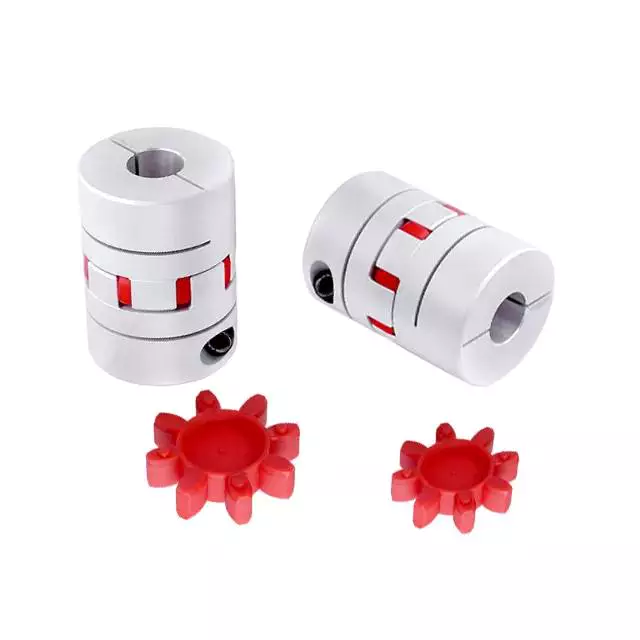
CZPT’s coupling
CZPT couplings are designed to be flexible, allowing them to accommodate misaligned shafts and transmit torque in either direction. They are made with three discs, two hubs, and a center that are arranged with grooves and fins. These features allow for two degrees of freedom during assembly, and can accommodate misalignment of up to 5% of the shaft diameter.
CZPT couplings have many uses. For example, they can be used to join two parallel coaxial rotating shafts. Their ability to transmit torque at the same rotation mechanism and speed makes them ideal for applications where electrical currents may be a problem. Because the couplings are not made of metal, they are electrically isolated. Designers should test their couplings during the prototype stage to ensure they are working properly.
The CZPT coupling consists of two hubs with one slot on each. An intermediate disk is located between the two hubs. The discs are used to reduce or prevent wear on other machine parts. CZPT couplings are inexpensive and easy to replace. They also have electrical insulation, which makes them easy to repair or replace.
CZPT couplings are a popular choice for stepper motor-driven positioning stages. The plastic center disc offers electrical isolation and absorbs shocks from frequent start/stops. These couplings are available in through-hub and blind-bore styles and can be installed in many applications.
CZPT couplings also allow for small degrees of shaft misalignment. This allows them to function in systems where shaft access is limited. They are easily removed without tools.
editor by CX 2023-07-12
China high quality Full NPT #3000 SA182f304 S/S 304 ASME 3/4 Inch Coupling coupling devices
Product Description
Full coupling NPT (#3000)SA182F304 (S/S 304 ) (With Mill test) ASME 3/4 inch coupling
|
Product Name |
Pipe coupling |
|
Size |
1/8″-4″ |
|
Standard |
ANSI B16.11 |
|
Pressure |
2000lbs, 3000lbs,6000lbs, 9000lbs |
|
Type |
full coupling or half coupling |
| End | Threaded or socket welded |
|
Process |
Forged |
|
Surface |
CNC machined, anti-rust oil, HDG(hot dip galv.) |
|
Material |
Carbon steel: A105, A350 LF2,etc. |
|
Pipeline steel: ASTM 694 f42, f52, f60, f65,f70 and etc. |
|
| Stainless steel: A182F304/304L, A182 F316/316L, A182F321, A182F310S, A182F347H, A182F316Ti, 317/317L, 904L, 1.4301, 1.4307, 1.4401, 1.4571, 1.4541, 254Mo and etc. | |
| Duplex stainless steel: ASTM A182 F51, F53,F55, UNS31803, SAF2205, UNS32205, UNS32750 , UNS32760, 1.4462,1.4410,1.4501 and etc. | |
| Nickel alloy: inconel600, inconel625, inconel690, incoloy800, incoloy 825, incoloy 800H,C22, C-276, Monel400, Alloy20 etc. | |
|
Cr-Mo alloy steel: A182 f11,f22,f5,f9,f91, 10CrMo9-10, 16Mo3 etc. |
|
|
Application |
Petrochemical industry;aviation and aerospace industry;pharmaceutical industry,gas exhaust; power plant;ship building; water treatment, etc. |
|
Advantages |
ready stock,faster delivery time;available in all sizes,customized;high quality |
Detailed Photos
End can be socket weld or thread
Marking
Various marking can be curved, or painting by laser on your request. We accept to mark your LOGO
Inspection
1. Dimension measurements, all within standard tolerance.
2. Accept Third party inspection
3. Supply MTC, EN15714 3.1/3.2 certificate
Packaging & Shipping
1. Packed by carton first, then Packed by plywood case as per ISPM15
2. we will put packing list on each package
3. we will put shipping markings on each package. Markings words are on your request.
4. All wood package materials are fumigation free
Interested in other products
Tee Coupling Nipple weldolet Flange
Our Advantages
Why Choose us
CZIT GROUP(3 factories, 300+workers, 200 +customers, 19+ years experience):
7*24 service time
5000tons production capacity each month, fast delivery. Standard flange and fittings have lots of stock
trace shippment each week
Professional QC QA team, more than 5 people. Inspect all goods before delivery
REFUND MONEY IF REJECTION BECAUSE OF QUALITY
FAQ
| FAQ |
| Q: Can you supply Form e, Certificate of origin? |
| A: Yes, we can supply. |
| Q: Can you supply invoice and CO with chamber of commerce? |
| A: Yes, we can supply. |
| Q: Can you accept L/C deferred 30, 60, 90days? |
| A: We can. |
| Q: Can you accept O/A payment? |
| A: We can. |
| Q: Can you supply samples? |
| A: Yes, some samples are free. |
| Q: Can you supply the products which comply with NACE? |
| A: Yes, we can. |
| Q: Can you visit your factory |
| A: Yes, sure. Welcome. |
| Q: Can you inspect the goods before delivery |
| A: Yes, sure. Welcome to our factory inspect the goods. Also accept third party inspection, such as SGS, TUV, BV etc. |
| Q: Can you supply MTC , EN15714 3.1/3.2 certificate? |
| A: Yes, sure. we can |
| Q: Do you have ISO |
| A: Yes, we have |
| Q: Can you accept OEM? |
| A: Yes, we can |
| Q: Can you accept marking our LOGO? |
| A: Yes, we can |
| Q: What is your MOQ? |
| A: 1pcs for standard fittings and flanges. |
| Q: Can you support to design our piping system? |
| A: Yes, we would like to your partner and our engineer will help. |
| Q: Can you offer data sheet and drawing? |
| A: Yes, we can |
| Q: Can you ship by carrier or airline? |
| A: Yes, we can. And we also can ship by train |
| Q: Can you combine your order with other supplier? Then ship together? |
| A: Yes, we can. We would like help you ship together to save your time and money |
| Q: Can you shorten delivery time? |
| A: If very very urgent, please confirm with sales. We would like arrange extra-working time for you. |
| Q: Can you marking on package as per IPPC? |
| A: Yes, we can |
| Q: Can you mark “MADE IN CHINA” on products and packing? |
| A: Yes, we can |
| Q: Can you supply semi-finished products? |
| A: Yes, we can |
| Q: We need some test sample pieces for each heat number, Can you supply? |
| A: Yes, we can |
| Q: Can you supply heat treatment report? |
| A: Yes, we can |
|
Shipping Cost:
Estimated freight per unit. |
To be negotiated |
|---|
| Connection: | Female |
|---|---|
| Structure: | Sw, Threaded |
| Flexible or Rigid: | Rigid |
| Samples: |
US$ 1/Piece
1 Piece(Min.Order) | Order Sample |
|---|
| Customization: |
Available
| Customized Request |
|---|
Understanding the Different Types of Couplings
A coupling is a device that joins two rotating shafts together. It transmits power from one to the other and is designed to allow some amount of end-movement and misalignment. It is a simple mechanism that is extremely common in many industries. Learn more about couplings in this article.
Flexible coupling
When choosing the correct flexible coupling for your application, there are several factors to consider. One of the most important factors is backlash, which is the amount of rotational play introduced by moving parts. Other factors to consider include lubrication and accessibility for maintenance. Choosing the right flexible coupling can be challenging, but it is possible to find the right fit for your specific application.
A flexible coupling is an excellent choice for applications that require high alignment accuracy, which is essential for reliable system performance. These couplings can compensate for angular and parallel misalignment, ensuring proper positioning between the driving and driven shafts. In addition, flexible couplings are more affordable than most traditional couplings.
The most common flexible coupling is the elastomeric type, which uses a resilient material to transmit torque. These couplings can be made of plastic or rubber. In either case, they can be relatively lightweight compared to other types of couplings. Elastomeric couplings can also be used for high-speed applications.
Another important factor to consider when selecting the best Flexible Coupling is the pipe you’re connecting. Some couplings are easier to install than others, and some even have tapered edges to make them slide easily on the pipe. Regardless of the choice you make, it’s crucial to remember that proper installation is critical for reliability and safety.
CZPT coupling
An CZPT coupling is a flexible, mechanical coupling that features a high degree of angular misalignment and eccentricity. They are available in different lengths, with MOL being the longest. They are ideal for applications that involve high parallel misalignment, limited assembly access, electrical insulation, and other conditions.
CZPT couplings are a versatile type of coupling, and they are often used to connect parallel shafts. They work by transmitting torque from one to the other using the same speed and rotation mechanism. They are available in various materials, including aluminum, brass, and polymers. In addition, they can work under high temperatures.
One of the main benefits of using an CZPT coupling is the fact that it does not require the use of a gearbox. These couplings are flexible, and their design allows them to cope with misalignment problems that may occur in power transmission applications. They are also able to absorb shock.
Another advantage of CZPT couplings is that they are suitable for systems with low-to-medium amounts of shaft misalignment. Because their friction is limited to the surface of the hubs, they are able to accommodate low bearing loads. CZPT couplings can also be used in systems with limited shaft access, since the disks are easily removed.
Clamped coupling
Clamped couplings are designed to provide a high-strength connection between two objects. A standard coupling has two parts: a nipple and a clamp sleeve. Each part is designed in such a way as to cooperate with each other. The sleeve and clamp are made of rubber. A reinforcing braid is often used to protect the exposed steel braid from rusting.
PIC Design provides a wide variety of standard clamping couplings for many different industries. These include medical, dental, military, laboratory, and precision industrial control equipment. They have a simple design that makes them ideal for these applications. Clamped couplings are also available for custom manufacturing. These couplings are available in metric, inch, and Metric.
The most common type of clamp coupling is a hose clamp. This type of coupling is used to connect two hoses or piping units. It consists of two conical binding sleeves that fit into the ends of the two parts. The coupling is then tightened with a screwdriver. It’s a versatile coupling because it allows two piping units or hoses to be joined together.
Another type of clamp coupling is the two-piece clamp coupling. The two-piece design allows for a quick and easy installation. Unlike other types of couplings, the clamp coupling is not necessary to remove the bearings before installing it. Its keyway is designed with shims in place so that it fits over the shaft. These couplings are available in different sizes, and they are made of steel or dutile iron.
Helicoidal coupling
Helicoidal coupling is a form of nonlinear coupling between two molecules. It occurs when the molecules in a double helix are subjected to oscillations. These oscillations can occur either in the right or left-handed direction. These oscillations are called solitons. Helicoidal coupling can provide quantitative or qualitative support to a structure, such as an electron.
Split Muff coupling
The Split-Muff Coupling market report provides detailed market analysis and key insights. The study covers the market size, segmentation, growth and sales forecast. It also examines key factors driving the market growth and limiting its development. The report also covers current trends and vendor landscapes. Therefore, you can get a deep understanding of the Split-Muff Coupling industry and make the right business decisions.
The report also provides data on the competitive landscape and the latest product and technology innovations. It also provides information on market size, production and income. It also covers the impact of the COVID-19 regulations. The market report is a valuable resource for companies looking to expand their businesses, or to improve existing ones.
In terms of application, Split-Muff Couplings can be used in light to medium duty applications. They are shaped like a semi-cylindrical disc that fits over a shaft. Both parts are threaded for assembly and disassembly. It can be disassembled easily and quickly, and can be used for medium to heavy-duty applications with moderate speeds.
Split Muff couplings are the most popular type of couplings for transferring wet and abrasive materials. Their flanged end fits on most major brands of smooth material muff hoses. In addition, this type of coupling is corrosion-resistant and easy to install. It also does not require any adjustments to the drive shaft’s position.
Flexible beam coupling
The Flexible beam coupling is one of the most popular types of couplings in the industry. It is comprised of two sets of parallel coils separated by a solid member, and it offers a wide range of torsional stiffness. These couplings are made of aluminum alloy or stainless steel. They offer excellent flexibility and are less expensive than many other types of couplings. They also require zero maintenance and can tolerate shaft misalignment.
Beam couplings are categorized into two types: helical and axial. The former is characterized by a high degree of flexibility, while the latter is used to compensate for higher misalignment. Both types are suitable for small torque applications and are available in a wide range of shaft sizes.
Flexible beam couplings are available in metric and US sizes, and feature a variety of options. They feature stainless steel or aluminum materials and are highly durable and corrosion-resistant. They also offer high torque capacities and excellent fatigue resistance. Flexible beam couplings are available with a wide range of options to meet your unique application needs.
editor by CX 2023-07-11
China high quality Nai Lok Instrumentation Quick Coupling in Sampling Cylinder Stainless Steel High Pressure 3000 CZPT NPT Male Ends Adapter coupling bushing
Product Description
Tube Fittings
A fitting or adapter is used in semi-conductor industry, aero-space industry, solar power battery, petroleum and petrochemical industry, power energy, bio-pharmaceuticals industry and vacuum system, etc. we will keep moving and making unceasing progress in the high-tech flow control field and serve the customers sincerely.
Instrument Types Stainless Steel fittings
Product Description:
1.Press up to 3000psig for standard stainless steel body
2.Temperature for PTFE packing from -65°F to 450°F (-54°C to 232°C)
Temperature for Grafoil packing from -65°F to 1200°F (-54°C to 649°C)
3.Packing below stem thread isolates the thread lubricant from the media
4.Back seating design protects the packing in fully open position
5.Non-rotating stem tip
6.100% factory tested
| After-sales Service: | Standard |
|---|---|
| Warranty: | Standard |
| Material: | Stainless Steel |
| OEM: | Customized |
| Application: | Oil and Gas Industrial |
| Size: | 1/8"-2" |
| Customization: |
Available
| Customized Request |
|---|
What Is a Coupling?
A coupling is a device that connects two shafts together. It transmits power from one to the other and is used to join rotating equipment. It can also allow for some degree of misalignment and end movement. It is used in mechanical engineering and manufacturing. To learn more about couplings, read this article.
Mechanical connection between two objectsThe present invention relates to a method and assembly for forming a mechanical connection between two objects. The methods of this invention are suitable for connecting both solid and hollow objects. For example, the method can be used to make mechanical connections between two cylinders. This method is particularly useful for connecting two cylinders that are positioned near each other.
Absorbs vibration
A coupling insert is a part of a vehicle’s drivetrain that absorbs vibrations. These inserts are designed to prevent couplings from moving out of phase. However, the coupling inserts themselves can wear out and need to be replaced. Universal joints are an alternative if the coupling is out of phase by more than one degree. In addition, internal bearings in the coupling need to be lubricated and replaced when they begin to show signs of wear.
Another embodiment of the invention includes a flexible coupling 25 that includes rearwardly-extending lugs that extend toward the coupling member 23. These lugs interdigitate with corresponding lugs on the coupling member 23. They are spaced circumferentially. A first elastic member 28 is interposed between lugs 26 and 27, and is adapted to yield in a counterclockwise direction. As a result, it absorbs torsional vibrations.
Blocks heat transfer
Thermal coupling occurs when a solid block is thermally coupled to the air or fluid passing through it. The amount of heat transferred through a solid block depends on the heat transfer coefficients of the materials. This paper presents a numerical model to understand how heat transfers through different block materials. This work also describes the thermal resistance network for a one-dimensional block.
In some cases, thermal coupling increases the heat transfer mechanism. As illustrated in FIG. 1D, a heatpipe coupler 112 couples two heatpipes 110-1 and 110-2. This configuration allows the pipes to be coupled to the heat source and to the condenser. In addition, the heat pipe couplers may have bellows at the ends to help facilitate linear motion.
Thermal coupling is achieved by ensuring that at least one block is made of a material with a lower thermal expansion coefficient than the annulus. Ideally, the block’s mean thermal expansion coefficient is at least twenty percent lower than the annulus’s mean thermal expansion coefficient. This ensures that the thermal coupling between the two parts is as efficient as possible.
Another type of thermal coupling is achieved by using flexible elements. These are often washers or springs. These components allow the blocks to maintain physical contact with the post 55, which means that the heat transfer is more efficient even at higher temperatures. The flexibility of these elements also makes it possible to choose an element that will not impede assembly.
Protects rotating equipment
A reliable, long-lasting coupling system can reduce the risk of damage to rotating equipment. Designed to protect against torque overload and wear, Voith torque-limiting couplings provide outstanding safety and reliability. As a result, they can deliver maximum performance and minimize equipment downtime. In addition to their long-term benefits, these solutions are ideal for applications where safety and reliability are of paramount importance.
A good coupling provides many advantages, including the ability to transmit power, compensate for axial movement, and absorb shock. It is essential to choose the proper coupling for your application based on the basic conditions of your rotating equipment. For example, if you have two shafts with parallel rotation axes, you should choose a parallel coupling. Otherwise, you should use an angular coupling.
Torque-limiting couplings can also provide protection for rotating equipment by disengaging at a specific torque level. This protects the drive shaft from undergoing catastrophic failure. Torque limiters are particularly helpful for high-value equipment. By preventing catastrophic failure, you can avoid expensive repairs and minimize equipment downtime.
Coupling guards are easy to install and provide effective protection for rotating equipment. These covers are made of sheet metal bent to fit over the shaft. They are durable and easy to remove when necessary. This type of guard can prevent employees from catching their hands, tools, or loose clothing on motor coupling components.
editor by CX 2023-07-07
China 8 mm Charms 2pcsset Natural Stone Magnetic Couple Bracelets & Bangles Women Men Jewelry Magnet Heart Bead Bracelets coupling base
Design Variety: SL-198
Jewellery Principal Substance: alloy
Substance Sort: other
Diamond condition: Other
Pearl Sort: other
Bracelets or Bangles Type: Allure Bracelets
Gender: Unisex, Women’s, Men’s
Main Stone: copper
Jewelry Kind: Bracelets, Bangles
Situation: Anniversary, Engagement, Present, Marriage, Party, Other
Certificate Type: Third Get together Appraisal
Plating: Silver Plated
Shapepattern: Coronary heart
Type: Lovable, Trendy
Spiritual Sort: Other
Inlay technology: Claw Setting
Search term: Magnetic Bracelet
Merchandise Name: Enjoy Present
bodyweight: 40g
Merchandise title: magnet bracelet few
Title: few bracelet magnetic paired
Shade: Pic
MOQ: ten pcs
Materials: Normal stone
Packing: Opp
Type: Jewerly
Packaging Particulars: opp bag
| Product Name: | |
| Substance: | |
| Sort: | |
| Type: | |
| Color: | |
| Bodyweight: | |
| Usage: | |
| Occasion: | Engagement, Reward, Get together, Marriage ceremony |
| MOQ: | 10 |
| OEM: |
What Is a Coupling?
A coupling is a device that connects two shafts together. It transmits power from one to the other and is used to join rotating equipment. It can also allow for some degree of misalignment and end movement. It is used in mechanical engineering and manufacturing. To learn more about couplings, read this article.
Mechanical connection between two objectsThe present invention relates to a method and assembly for forming a mechanical connection between two objects. The methods of this invention are suitable for connecting both solid and hollow objects. For example, the method can be used to make mechanical connections between two cylinders. This method is particularly useful for connecting two cylinders that are positioned near each other.
Absorbs vibration
A coupling insert is a part of a vehicle’s drivetrain that absorbs vibrations. These inserts are designed to prevent couplings from moving out of phase. However, the coupling inserts themselves can wear out and need to be replaced. Universal joints are an alternative if the coupling is out of phase by more than one degree. In addition, internal bearings in the coupling need to be lubricated and replaced when they begin to show signs of wear.
Another embodiment of the invention includes a flexible coupling 25 that includes rearwardly-extending lugs that extend toward the coupling member 23. These lugs interdigitate with corresponding lugs on the coupling member 23. They are spaced circumferentially. A first elastic member 28 is interposed between lugs 26 and 27, and is adapted to yield in a counterclockwise direction. As a result, it absorbs torsional vibrations.
Blocks heat transfer
Thermal coupling occurs when a solid block is thermally coupled to the air or fluid passing through it. The amount of heat transferred through a solid block depends on the heat transfer coefficients of the materials. This paper presents a numerical model to understand how heat transfers through different block materials. This work also describes the thermal resistance network for a one-dimensional block.
In some cases, thermal coupling increases the heat transfer mechanism. As illustrated in FIG. 1D, a heatpipe coupler 112 couples two heatpipes 110-1 and 110-2. This configuration allows the pipes to be coupled to the heat source and to the condenser. In addition, the heat pipe couplers may have bellows at the ends to help facilitate linear motion.
Thermal coupling is achieved by ensuring that at least one block is made of a material with a lower thermal expansion coefficient than the annulus. Ideally, the block’s mean thermal expansion coefficient is at least twenty percent lower than the annulus’s mean thermal expansion coefficient. This ensures that the thermal coupling between the two parts is as efficient as possible.
Another type of thermal coupling is achieved by using flexible elements. These are often washers or springs. These components allow the blocks to maintain physical contact with the post 55, which means that the heat transfer is more efficient even at higher temperatures. The flexibility of these elements also makes it possible to choose an element that will not impede assembly.
Protects rotating equipment
A reliable, long-lasting coupling system can reduce the risk of damage to rotating equipment. Designed to protect against torque overload and wear, Voith torque-limiting couplings provide outstanding safety and reliability. As a result, they can deliver maximum performance and minimize equipment downtime. In addition to their long-term benefits, these solutions are ideal for applications where safety and reliability are of paramount importance.
A good coupling provides many advantages, including the ability to transmit power, compensate for axial movement, and absorb shock. It is essential to choose the proper coupling for your application based on the basic conditions of your rotating equipment. For example, if you have two shafts with parallel rotation axes, you should choose a parallel coupling. Otherwise, you should use an angular coupling.
Torque-limiting couplings can also provide protection for rotating equipment by disengaging at a specific torque level. This protects the drive shaft from undergoing catastrophic failure. Torque limiters are particularly helpful for high-value equipment. By preventing catastrophic failure, you can avoid expensive repairs and minimize equipment downtime.
Coupling guards are easy to install and provide effective protection for rotating equipment. These covers are made of sheet metal bent to fit over the shaft. They are durable and easy to remove when necessary. This type of guard can prevent employees from catching their hands, tools, or loose clothing on motor coupling components.
editor by CX 2023-07-04
China 4mm fine stainless steel spiral pattern screwdriver key Bracelet trend students are equipped with love diamond bracelet coupling definition
Error:获取返回内容失败,
Your session has expired. Please reauthenticate.
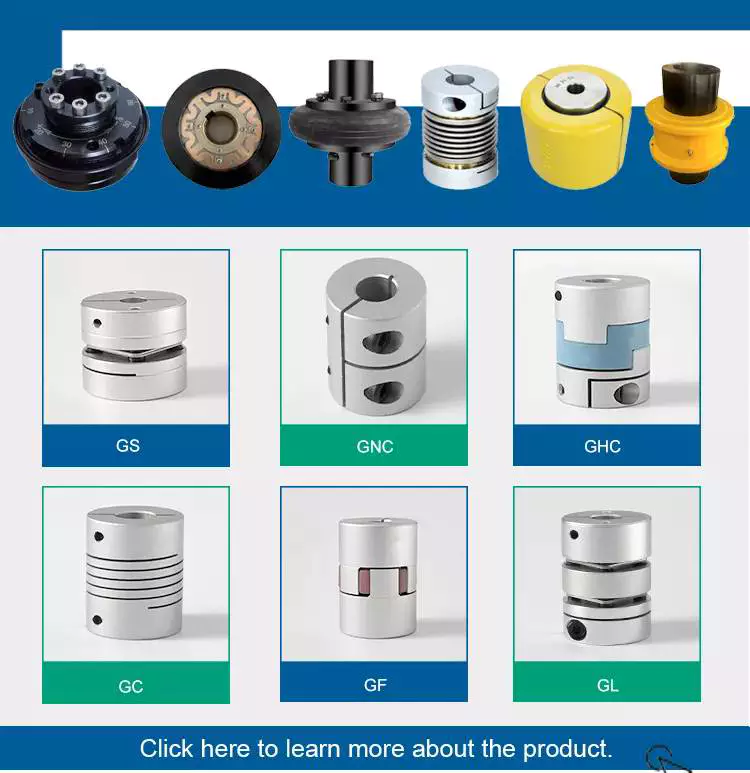
Types of Couplings
A coupling is a device that connects two shafts and transmits power from one to the other. Its main purpose is to join two pieces of rotating equipment. It also allows for some degree of misalignment or end movement. Here are a few examples of coupling types: Beam coupling, Flexible coupling, Magnetic coupling, and Shaft coupling.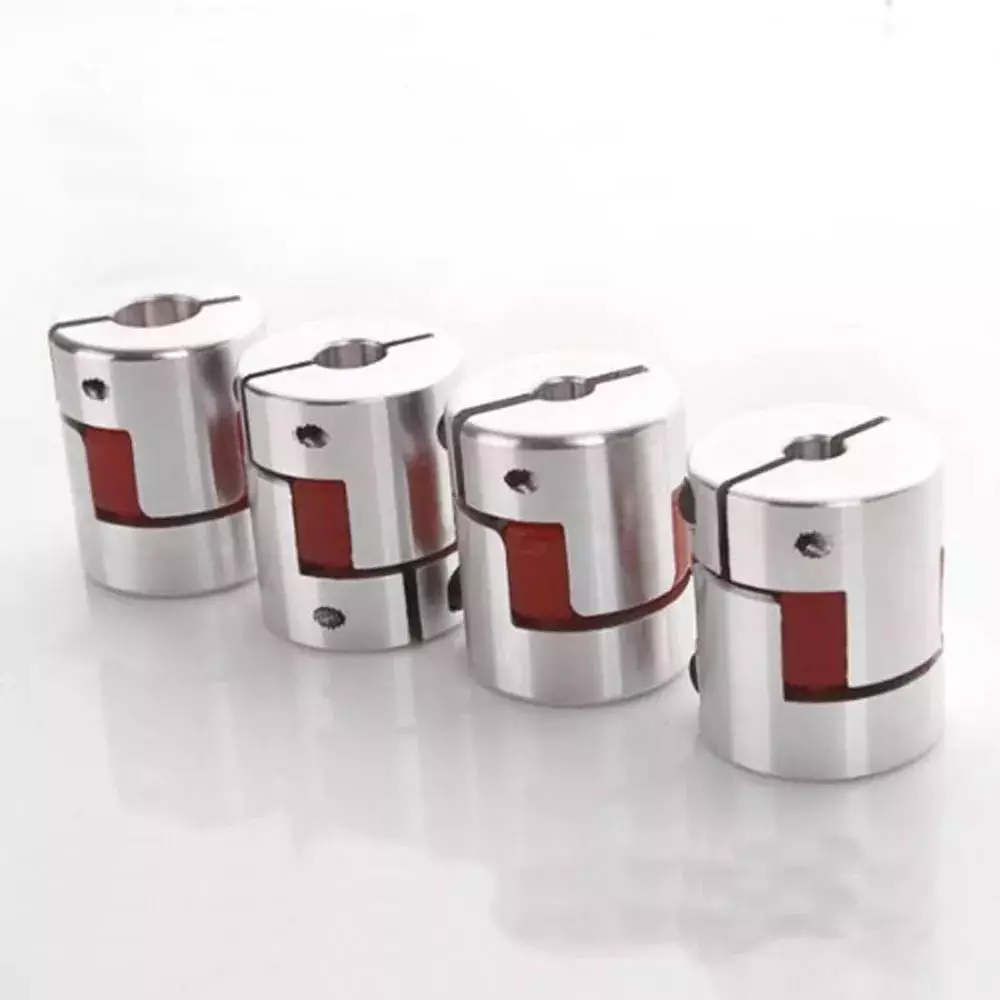
Beam coupling
Beam couplings are used to couple motors and other devices. They are available in several types, including flexible, slit, and rigid beam couplings. Each has unique properties and characteristics. These couplings are best for applications requiring a high level of precision and long life. They are also a practical solution for the connection of stepping and servo motors with screw rods.
Beam couplings are usually made of stainless steel or aluminum alloy, and feature spiral and parallel cut designs. Multiple cuts allow the coupling to accommodate multiple beams and improve angular and parallel misalignment tolerances. Additionally, beam couplings are comparatively cheaper than other types of rotary joints, and they require minimal maintenance.
The materials of a beam coupling should be considered early in the specification process. They are typically made of aluminum or stainless steel, but they can also be manufactured from Delrin, titanium, and other engineering grade materials. Beam couplings are often available in multiple sizes to fit specific shaft diameters.
Beam couplings are a key component of motion control systems. They provide excellent characteristics when used properly, and they are a popular choice for many applications. A thorough understanding of each type of coupling will help to prevent coupling failure and enhance system performance. Therefore, it is important to choose the right coupling for your application.
Various types of beam couplings have unique advantages and disadvantages. The FCR/FSR design has two sets of three beams. It is available in both metric and inch shaft sizes. The FCR/FSR couplings are ideal for light-duty power transmission applications. A metric shaft is more suitable for these applications, while an inch shaft is preferred for heavier duty applications.
Two types of beam couplings are available from Ruland. The Ruland Flexible beam coupling has a multi-helical cut design that offers a greater flexibility than commodity beam couplings. This design allows for higher torque capabilities while minimizing wind-up. In addition, it is also more durable than its commodity counterparts.
Flexible coupling
A flexible coupling is a versatile mechanical connection that allows for the easy coupling of two moving parts. The design of these couplings allows for a variety of stiffness levels and can address a variety of problems, such as torsional vibrations or critical speed. However, there are a number of tradeoffs associated with flexible couplings.
One of the biggest issues is the installation of the coupling, which requires stretching. This problem can be exacerbated by cold temperatures. In such a case, it is vital to install the coupling properly. Using a gear clamp is one of the most important steps in a successful installation. A gear clamp will keep the coupling in place and prevent it from leaking.
Another common type of flexible coupling is the gear coupling. These couplings are composed of two hubs with crowned external gear teeth that mesh with two internally splined flanged sleeves. The massive size of the teeth makes them resemble gears. Gear couplings offer good torque characteristics but require periodic lubrication. These couplings can also be expensive and have a limited number of applications.
Another type of flexible coupling is the SDP/SI helical coupling. These couplings can accommodate axial motion, angular misalignment, and parallel offset. This design incorporates a spiral pattern that makes them flexible. These couplings are available in stainless steel and aluminum.
A flexible coupling has a wide range of applications. Generally, it is used to connect two rotating pieces of equipment. Depending on its design, it can be used to join two pieces of machinery that move in different directions. This type of coupling is a type of elastomeric coupling, which has elastic properties.
There are many types of flexible couplings available for different types of applications. The purpose of a flexible coupling is to transmit rotational power from one shaft to another. It is also useful for transmitting torque. However, it is important to note that not all flexible couplings are created equally. Make sure to use a reputable brand for your coupling needs. It will ensure a reliable connection.
The simplest and most commonly used type of flexible coupling is the grid coupling. This type of coupling uses two hubs with slotted surfaces. The steel grid is allowed to slide along these slots, which gives it the ability to flex. The only limitation of this type of coupling is that it can only tolerate a 1/3 degree misalignment. It can transmit torques up to 3,656 Nm.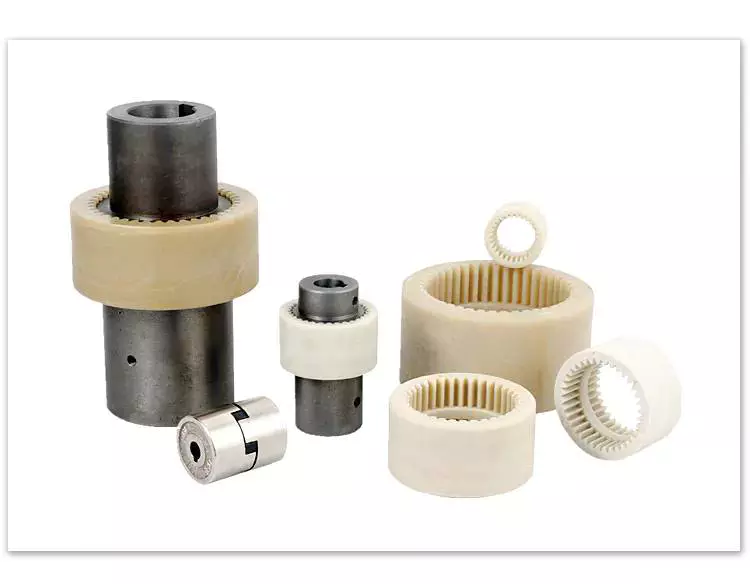
Magnetic coupling
Magnetic coupling is a technique used to transfer torque from one shaft to another using a magnetic field. It is the most common type of coupling used in machinery. It is highly effective when transferring torque from a rotating motor to a rotating shaft. Magnetic couplings can handle high torques and high speeds.
Magnetic coupling is described by the energy difference between a high-spin state and a broken symmetry state, with the former being the energy of a true singlet state. In single-determinant theories, this energy difference is called the Kij. Usually, the broken-symmetry state is a state with two interacting local high-spin centers.
The magnetic coupling device is regarded as a qualitative leap in the reaction still industry. It has solved a number of problems that had plagued the industry, including flammability, explosiveness, and leakage. Magnetic couplings are a great solution for many applications. The chemical and pharmaceutical industries use them for various processes, including reaction stills.
Magnetic couplings are a good choice for harsh environments and for tight spaces. Their enclosed design keeps them fluid and dust-proof. They are also corrosion-resistant. In addition, magnetic couplings are more affordable than mechanical couplings, especially in areas where access is restricted. They are also popular for testing and temporary installations.
Another use for magnetic coupling is in touch screens. While touch screens use capacitive and resistive elements, magnetic coupling has found a cool new application in wireless charging. While the finger tracking on touch screens may seem like a boley job, the process is very sensitive. The devices that use wireless charging need to have very large coils that are locked into resonant magnetic coupling.
Magnetic couplings also help reduce hydraulic horsepower. They cushion starts and reduce alignment problems. They can also improve flow in oversized pumps. A magnetic coupling with an 8 percent air gap can reduce hydraulic HP by approximately 27 percent. In addition, they can be used in aggressive environments. They also help reduce repair costs.
Magnetic couplings are a great choice for pumps and propeller systems because they have the added advantage of being watertight and preventing shaft failure. These systems also have the benefit of not requiring rotating seals.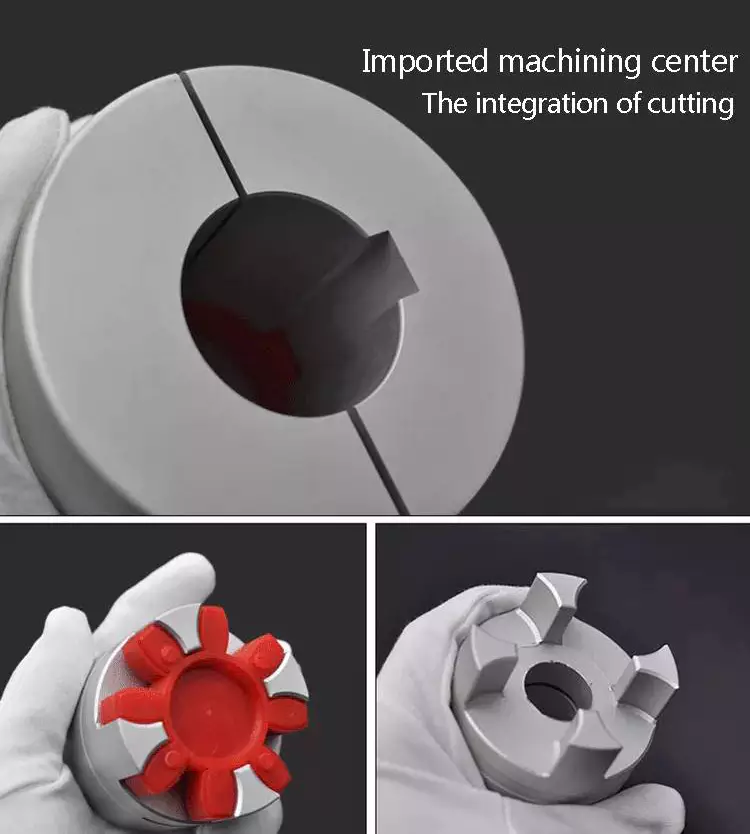
Shaft coupling
A shaft coupling joins two shafts and transmits rotational motion. Generally, shaft couplings allow for some degree of misalignment, but there are also torque limiters. Selecting the right coupling can save you time and money and prevent equipment downtime. Here are the main features to consider when purchasing a coupling for your application.
Shaft couplings should be easy to install and disassemble, transmit full power to the mated shaft, and reduce shock loads. A shaft coupling that does not have projecting parts should be used for machines that move or rotate at high speeds. Some types of shaft couplings are flexible while others are rigid.
Shaft couplings can be used in a variety of applications, including piping systems. They can be used to connect shafts that are misaligned and help maintain alignment. They can also be used for vibration dampening. Shaft couplings also allow shafts to be disconnected when necessary.
Shaft couplings can accommodate a certain amount of backlash, but this backlash must be well within the tolerance set by the system. Extremely high backlash can break the coupling and cause excessive wear and stress. In addition, excessive backlash can lead to erratic alignment readings. To avoid these issues, operators must reduce backlash to less than 2deg.
Shaft couplings are often referred to by different names. Some are referred to as “sliced” couplings while others are known as “slit” couplings. Both types offer high torque and torsional stiffness. These couplings are typically made from metals with various alloys, such as acetal, stainless steel, or titanium.
CZPT Pulley produces shaft couplings for a variety of applications. These products are used in high-power transmission systems. They have several advantages over friction couplings. In addition to minimizing wear, they don’t require lubrication. They are also capable of transmitting high torque and high speeds.
Another type of shaft coupling is the universal coupling. It is used to transmit power to multiple machines with different spindles. Its keyed receiving side and flanges allow it to transmit power from one machine to another.
editor by CX 2023-07-03