Product Description
Rigid Conduit Couplings
General
The rigid conduit coupling is used to connect the electrical steel conduits together, thus extending the length of the conduit pipe. It is manufactured from seamless steel pipes according to ANSI C80.1 and UL6 standards with UL certificate number of E308290. Its trade size can be from 1/2″ to 6″. We can make the rigid conduit coupling zinc plate on both outer side and inner side. The internal surface can also be electro-galvanized completely .
Detailed Product Description
- Standard: UL6 & ANSI C80.1
- Certificates: UL Listed, certificate No.E308290 (177709-001)
- Trade Size: From 1/2″ to 6″
- Usage:Used in Rigid Metal Conduit
- Surface: Zinc plate on both out side and inner side, or hot dipped galvanzied and zinc plate on out side and zinc plate on inner side
- Material: Seamless Steel Pipe
- Package: Carton
- Delivery Time: 20 to 30 days after we receive your advance payment or copy of L/C
- Payment Term: L/C at sight or T/T
Dimension and Weight Chart
| Trade Size | Weight Per 100 pcs | Outside Diameter “B” | Minimum Acceptable Legnth”A” | Standard Carton Qty | Weight Per Carton | ||||
| KG | LBS | mm | in. | mm | in. | PCS | KG | LBS | |
| 1/2″ | 6.35 | 14 | 25.7 | 1.01 | 41.3 | 1.626 | 400 | 25.4 | 56 |
| 3/4″ | 9.07 | 20 | 31.8 | 1.25 | 41.7 | 1.642 | 300 | 27.2 | 60 |
| 1″ | 14.06 | 31 | 38.7 | 1.53 | 50 | 1.969 | 180 | 25.3 | 56 |
| 1-1/4″ | 17.69 | 39 | 47.5 | 1.87 | 51.6 | 2.031 | 100 | 17.7 | 39 |
| 1-1/2″ | 25.4 | 56 | 54.7 | 2.16 | 52.4 | 2.063 | 75 | 19.1 | 42 |
| 2″ | 33.11 | 73 | 67.3 | 2.65 | 54 | 2.126 | 60 | 19.9 | 44 |
| 2-1/2″ | 83.92 | 185 | 82.6 | 3.25 | 81 | 3.189 | 12 | 10.1 | 22 |
| 3″ | 102.51 | 226 | 98.3 | 3.87 | 84.1 | 3.311 | 8 | 8.2 | 18 |
| 3-1/2″ | 162.39 | 358 | 114.3 | 4.5 | 86.5 | 3.406 | 4 | 6.5 | 14 |
| 4″ | 181.44 | 400 | 123.8 | 4.88 | 89.3 | 3.516 | 4 | 7.3 | 16 |
| 5″ | 225.44 | 497 | 152.4 | 6 | 100.4 | 3.953 | 2 | 4.5 | 10 |
| 6″ | 370.1 | 816 | 182.9 | 7.2 | 108 | 4.252 | 3 | 11.1 | 24 |
Company Information
HangZhou East Steel Pipe Co., Ltd is nearly about 60 years old and located in the worldly kite capital -HangZhou city in ZheJiang Province, which is about 156 kilometers far from HangZhou port. It was originated from the socialism cooperative in 1954, then developed into the state-owned enterprise, which was named as HangZhou Steel Pipe company in 1976. In 2001, HangZhou Steel Pipe company was restructured to be the private enterprise and renamed as HangZhou East Steel Pipe Co.,Ltd.
HangZhou East Steel Pipe Co.,Ltd, which occupies about 254,000 square meters, has a total capital of USD80 million and annual comprehensive output of 200,000 tons. Now it owns 800 employees, including 300 senior/intermediate engineers and professional technicians.
Now our electrical products include Rigid Steel Conduit ,Rigid Aluminum Conduit, IMC Conduit, EMT Conduit and Conduit fittings such as elbow, nipple, coupling, etc., and our products have been exported to more than 51 countries in the world, including North America, Middle America, South America, Asia, Middle East, Europe, etc. We are always appreciated by our clients for good quality and excellent services.
- Fast Facts About HangZhou East Steel Pipe Co.,Ltd.
-The largest rigid steel conduit producer in China
-The only producer of Hot Dip Galvanized EMT conduit in the world.
-The professional manufacturer of conduit accessories in China
UL6 Products
FAQ
Q1. Are you a manufacturer or trading company?
A: We are a manufacturer specializing in steel pipe related products for more than 20 years in domestic market, so we can provide products stably for a long time with lower price.
Q2.Can you provide free sample for our test?
A: Yes, we welcome sample order to test and check quality. Mixed samples are acceptable. You only need to bear the freight and the sample will be sent out within 7 days.
Q3. Do you have any MOQ limit for production?
A: The order quantity minimum requirement is a 20 GP container. As for our steel pipe product, we usually use container transport for lower freight.
Q4. How to proceed an order for product?
A: Firstly let us know your requirements or application.
Secondly we quote according to your requirements or our suggestions.
Thirdly buyer confirms the samples(if you need) and places deposit for formal order.
Finally we arrange the production.
Q5. Is it OK to print my logo on the product or the carton packing?
A: Yes. Please inform us formally before our production and confirm the design firstly based on our sample.
Q6. How to deal with the faulty?
A: We sincerely welcome you to investigate our factory and inspect the goods. Our products are produced in strict quality control system and the defective rate is low.
Also, if you have any questions or dissatisfaction, please feel free to contact us. We will serve you as soon as possible and give you a satisfactory solution.
| Color: | Silver |
|---|---|
| Surface Treatment: | Galvanised |
| Application: | Wiring Work |
| Material: | Carbon Steel |
| Certification: | UL & cUL |
| UL Listed: | UL6 |
| Samples: |
US$ 3/Piece
1 Piece(Min.Order) | |
|---|
| Customization: |
Available
| Customized Request |
|---|
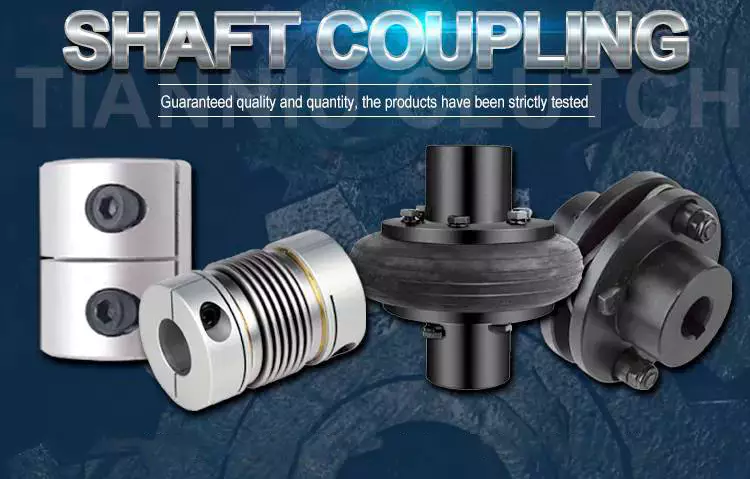
Types of Couplings
A coupling is a device that connects two shafts together. It transmits power from one end to another and is used for joining rotating equipment. A coupling is flexible and can accommodate a certain amount of end movement and misalignment. This allows for more flexibility in applications. Various types of couplings are available, and each one serves a specific purpose.
Shaft couplings
There are many types of shaft couplings, and they are used in a wide range of applications. The type you need depends on the torque, speed, and horsepower you need, as well as the size of the shaft and its spatial limitations. You may also need to consider whether the coupling will accommodate misalignment.
Some shaft couplings are flexible, while others are rigid. Flexible couplings can accommodate up to two degrees of misalignment. They are available in different materials, including aluminum, stainless steel, and titanium. They can also be known by different names, depending on the industry. Some couplings can also be used in a single or multiple-shaft application.
The first type of shaft coupling is a rigid coupling, which consists of two parts that fit together tightly around the shafts. These couplings are designed to have more flexibility than sleeved models, and they can be used on fixed shafts as well. The flanged coupling, on the other hand, is designed for heavy loads and is made of two perpendicular flanges. The flanges are large enough to accommodate screws and are generally used with heavy-duty applications.
CZPT shaft couplings are a great choice if you’re looking for a shaft coupling that delivers high performance, durability, and low cost. These metal disc-style couplings provide low backlash and high torsional stiffness. Their high misalignment tolerance reduces reaction loads on connected components, which makes them ideal for high-speed precision applications. Available in single and double-disc models, they have torque ratings of up to 2,200 in-lbs. (250N) and are available in fourteen sizes.
When using shaft couplings, it is important to choose the right type for your application. Backlash can cause a shaft coupling to break or become unusable. In order to prevent this from happening, you should replace worn or loose parts, and ensure that the hub and key are evenly positioned with the shaft. If you’re using a shaft coupling in a motion-control system, it is important to keep the torque level consistent.
Flexible couplings
Flexible couplings are a type of coupling used to connect two shafts. They are made of rubber or plastic and allow for axial movement of the connected equipment. They do not require lubrication and are resistant to fatigue failure. Flexible couplings are useful for a number of applications. A common type of flexible coupling is the gear coupling, which has gear teeth inside its sleeve. Another type of flexible coupling is the metallic membrane coupling. A metallic membrane coupling is flexible due to flexing metallic discs.
One major disadvantage of flexible couplings is their inability to fit certain types of pipe. This is because most couplings need to be stretched to fit the pipe. This problem is often the result of a change in pipe technology. Traditionally, drain and soil pipe is made of ductile iron or cast iron. Today, most pipes are made of PVC, which has a larger outside diameter than either cast or ductile iron. Because of these changes in pipe technology, many coupling manufacturers have not updated their mold sizing.
Flexible couplings can be either metallic, elastomeric, or a combination of the three. While there are some common characteristics of each type, you should always consider the tradeoffs of each type before choosing one. Generally, the most important considerations when selecting a flexible coupling are torque, misalignment, and ease of assembly and maintenance.
Flexible couplings are used in a wide range of industries. They are useful for connecting two pipes to ensure torque transfer. Although the types available are different, these are the most adaptable couplings in the market. They can withstand movement, vibration, and bending without causing any damage to the piping.
Clutch couplings
A clutch coupling connects two rotating shafts by friction. The clutch engages power when the engine is running, disengaging power when the brake is applied. Clutch couplings are used in applications where the speed of a machine is variable or where continuous service is required. The clutch can transmit power, torque, and axial force.
Clutch couplings come in a variety of styles and configurations. Some couplings are flexible, while others are rigid. Flexible couplings are available in a variety of materials, including stainless steel and aluminum. Some couplings also have a non-backlash design, which helps compensate for misalignment.
Clutch couplings may be synchronous or asynchronous. Synchronous couplings engage and disengage automatically when the driven machine exceeds its output speed. These couplings are synchronized by a synchronizing mechanism. When the output speed is exceeded, the synchronizing mechanism initiates the engagement process. The synchronizing mechanism does not engage or disengage when the output speed drops.
High speed clutches are available from a variety of manufacturers. Some manufacturers offer OEM assembly, repair services, and third-party logistics. These manufacturers serve the automotive, chemical, food, and wood industries, as well as the oilfield and material handling industries. Custom clutches can be manufactured for specific applications and can be fitted with additional features, such as precision machined teeth or keyway slots and grooves.
Couplings are available in PCE, C/T, and metric bores. Typically, the size of the input and output shafts will determine which type of coupling is needed. In addition, clutches may be configured for intermediate or high speeds, depending on the required torque.
Clamped couplings
Clamped couplings are commonly used in a variety of industries. They can be used in medical equipment, dental equipment, military equipment, laboratory equipment, and in precision industrial controls. They are available in a wide variety of sizes and keyways. This type of coupling offers a number of advantages, including ease of installation and quick and easy replacement.
A clamp coupling connects two parts by compressing them together. The clamping elements can be formed in a variety of ways, but they all have a gap between their surfaces. This friction squeezes the two parts together, much like pulling two rubber gloves apart. This type of coupling is also useful for joining two hoses or piping units.
Clamped couplings are designed with a single or double clamping shaft. The clamping parts are mounted in two halves and are held together by eight socket head cap screws. They offer high torque capacity and require little installation space. Their high rigidity ensures good positioning accuracy, making them ideal for dynamic drives. In addition, they are wear-free and offer simple radial assembly.
The invention relates to a method and system for clamping pipes to a tank vessel. This invention also relates to a method of loading and unloading tank vessels. The method can be used in oil production platforms and other platforms. A single point mooring method is also used in oil production platforms.
Clamped couplings can also be flexible. They can join two shafts together while allowing a small amount of end movement and misalignment. These couplings may also be used in the assembly of motors and gearboxes.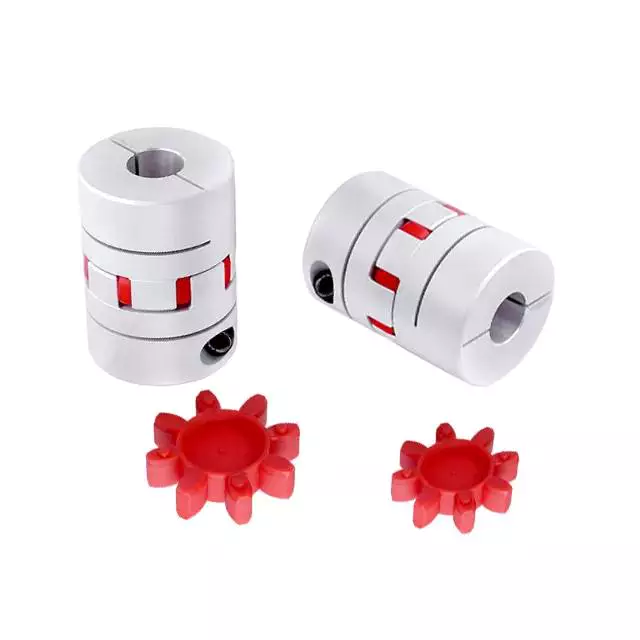
CZPT’s coupling
CZPT couplings are designed to be flexible, allowing them to accommodate misaligned shafts and transmit torque in either direction. They are made with three discs, two hubs, and a center that are arranged with grooves and fins. These features allow for two degrees of freedom during assembly, and can accommodate misalignment of up to 5% of the shaft diameter.
CZPT couplings have many uses. For example, they can be used to join two parallel coaxial rotating shafts. Their ability to transmit torque at the same rotation mechanism and speed makes them ideal for applications where electrical currents may be a problem. Because the couplings are not made of metal, they are electrically isolated. Designers should test their couplings during the prototype stage to ensure they are working properly.
The CZPT coupling consists of two hubs with one slot on each. An intermediate disk is located between the two hubs. The discs are used to reduce or prevent wear on other machine parts. CZPT couplings are inexpensive and easy to replace. They also have electrical insulation, which makes them easy to repair or replace.
CZPT couplings are a popular choice for stepper motor-driven positioning stages. The plastic center disc offers electrical isolation and absorbs shocks from frequent start/stops. These couplings are available in through-hub and blind-bore styles and can be installed in many applications.
CZPT couplings also allow for small degrees of shaft misalignment. This allows them to function in systems where shaft access is limited. They are easily removed without tools.

editor by CX 2023-05-06
China factory 1/2″ to 4″ Steel Galvanized IMC Rigid Rsc Coupling for Electrical Conduit coupling bolt
Product Description
1/2″ to 4″ steel galvanized IMC Rigid Rsc Coupling for Electrical conduit
Description:
IMC Rigid Rsc Coupling for Electrical conduit
1.Standards: UL
2.Trade size: 1/2″-4″
3.Zinc coating: Hot-dipped galvanized and then electro-galvanized ;OR electro-galvanized totally
4.Thread: NPT
Field Names: IMC /Rigid couplings, threaded rigid couplings, heavy wall couplings, threaded heavy wall couplings, rigid couplers, heavy wall couplers, threaded couplers.
Specifications:
| IC-50S | 1/2″ |
| IC-75S | 3/4″ |
| IC-100S | 1″ |
| IC-125S | 1-1/4″ |
| IC-150S | 1-1/2″ |
| IC-200S | 2″ |
| IC-250S | 2-1/2” |
| IC-300S | 3″ |
| IC-350S | 3-1/2” |
| IC-400S | 4″ |
Application:
These threaded couplings are used to join 2 ends of threaded rigid conduits or IMC conduits together. They can also be used with CZPT nipples and connectors to CZPT threaded conduits to electrical junction boxes or enclosures.
Material: Zinc Plated Steel
CONDUIT PRODUCE PROCESS
| Color: | Silver |
|---|---|
| IP Rating: | IP68 |
| Surface Treatment: | Galvanised |
| Application: | Electrical Wiring System |
| Material: | Steel |
| Certification: | UL |
| Samples: |
US$ 0/Piece
1 Piece(Min.Order) | |
|---|
| Customization: |
Available
| Customized Request |
|---|
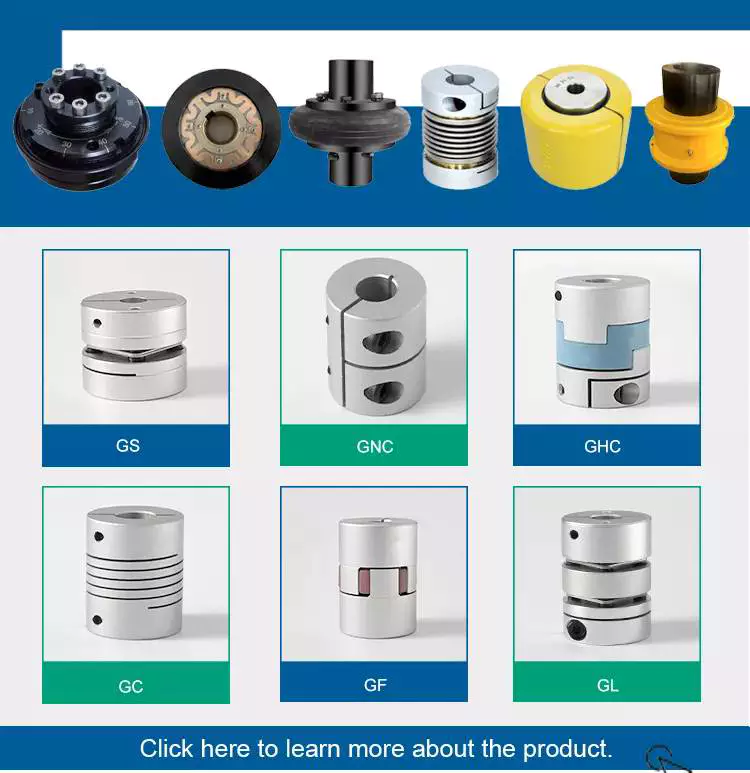
Types of Couplings
A coupling is a device that connects two shafts and transmits power from one to the other. Its main purpose is to join two pieces of rotating equipment. It also allows for some degree of misalignment or end movement. Here are a few examples of coupling types: Beam coupling, Flexible coupling, Magnetic coupling, and Shaft coupling.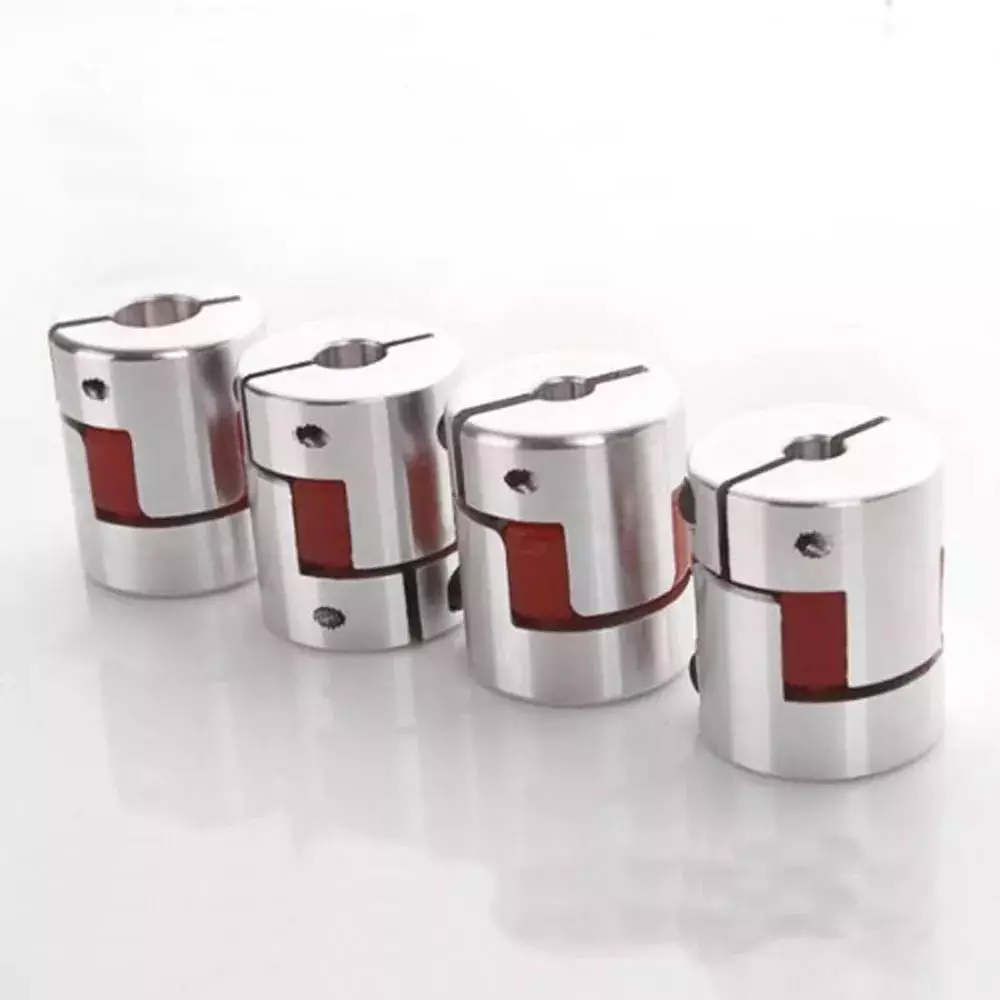
Beam coupling
Beam couplings are used to couple motors and other devices. They are available in several types, including flexible, slit, and rigid beam couplings. Each has unique properties and characteristics. These couplings are best for applications requiring a high level of precision and long life. They are also a practical solution for the connection of stepping and servo motors with screw rods.
Beam couplings are usually made of stainless steel or aluminum alloy, and feature spiral and parallel cut designs. Multiple cuts allow the coupling to accommodate multiple beams and improve angular and parallel misalignment tolerances. Additionally, beam couplings are comparatively cheaper than other types of rotary joints, and they require minimal maintenance.
The materials of a beam coupling should be considered early in the specification process. They are typically made of aluminum or stainless steel, but they can also be manufactured from Delrin, titanium, and other engineering grade materials. Beam couplings are often available in multiple sizes to fit specific shaft diameters.
Beam couplings are a key component of motion control systems. They provide excellent characteristics when used properly, and they are a popular choice for many applications. A thorough understanding of each type of coupling will help to prevent coupling failure and enhance system performance. Therefore, it is important to choose the right coupling for your application.
Various types of beam couplings have unique advantages and disadvantages. The FCR/FSR design has two sets of three beams. It is available in both metric and inch shaft sizes. The FCR/FSR couplings are ideal for light-duty power transmission applications. A metric shaft is more suitable for these applications, while an inch shaft is preferred for heavier duty applications.
Two types of beam couplings are available from Ruland. The Ruland Flexible beam coupling has a multi-helical cut design that offers a greater flexibility than commodity beam couplings. This design allows for higher torque capabilities while minimizing wind-up. In addition, it is also more durable than its commodity counterparts.
Flexible coupling
A flexible coupling is a versatile mechanical connection that allows for the easy coupling of two moving parts. The design of these couplings allows for a variety of stiffness levels and can address a variety of problems, such as torsional vibrations or critical speed. However, there are a number of tradeoffs associated with flexible couplings.
One of the biggest issues is the installation of the coupling, which requires stretching. This problem can be exacerbated by cold temperatures. In such a case, it is vital to install the coupling properly. Using a gear clamp is one of the most important steps in a successful installation. A gear clamp will keep the coupling in place and prevent it from leaking.
Another common type of flexible coupling is the gear coupling. These couplings are composed of two hubs with crowned external gear teeth that mesh with two internally splined flanged sleeves. The massive size of the teeth makes them resemble gears. Gear couplings offer good torque characteristics but require periodic lubrication. These couplings can also be expensive and have a limited number of applications.
Another type of flexible coupling is the SDP/SI helical coupling. These couplings can accommodate axial motion, angular misalignment, and parallel offset. This design incorporates a spiral pattern that makes them flexible. These couplings are available in stainless steel and aluminum.
A flexible coupling has a wide range of applications. Generally, it is used to connect two rotating pieces of equipment. Depending on its design, it can be used to join two pieces of machinery that move in different directions. This type of coupling is a type of elastomeric coupling, which has elastic properties.
There are many types of flexible couplings available for different types of applications. The purpose of a flexible coupling is to transmit rotational power from one shaft to another. It is also useful for transmitting torque. However, it is important to note that not all flexible couplings are created equally. Make sure to use a reputable brand for your coupling needs. It will ensure a reliable connection.
The simplest and most commonly used type of flexible coupling is the grid coupling. This type of coupling uses two hubs with slotted surfaces. The steel grid is allowed to slide along these slots, which gives it the ability to flex. The only limitation of this type of coupling is that it can only tolerate a 1/3 degree misalignment. It can transmit torques up to 3,656 Nm.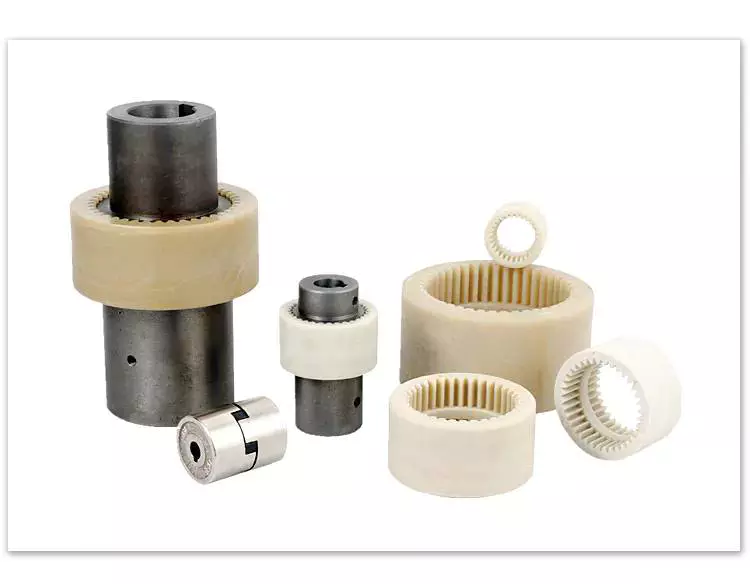
Magnetic coupling
Magnetic coupling is a technique used to transfer torque from one shaft to another using a magnetic field. It is the most common type of coupling used in machinery. It is highly effective when transferring torque from a rotating motor to a rotating shaft. Magnetic couplings can handle high torques and high speeds.
Magnetic coupling is described by the energy difference between a high-spin state and a broken symmetry state, with the former being the energy of a true singlet state. In single-determinant theories, this energy difference is called the Kij. Usually, the broken-symmetry state is a state with two interacting local high-spin centers.
The magnetic coupling device is regarded as a qualitative leap in the reaction still industry. It has solved a number of problems that had plagued the industry, including flammability, explosiveness, and leakage. Magnetic couplings are a great solution for many applications. The chemical and pharmaceutical industries use them for various processes, including reaction stills.
Magnetic couplings are a good choice for harsh environments and for tight spaces. Their enclosed design keeps them fluid and dust-proof. They are also corrosion-resistant. In addition, magnetic couplings are more affordable than mechanical couplings, especially in areas where access is restricted. They are also popular for testing and temporary installations.
Another use for magnetic coupling is in touch screens. While touch screens use capacitive and resistive elements, magnetic coupling has found a cool new application in wireless charging. While the finger tracking on touch screens may seem like a boley job, the process is very sensitive. The devices that use wireless charging need to have very large coils that are locked into resonant magnetic coupling.
Magnetic couplings also help reduce hydraulic horsepower. They cushion starts and reduce alignment problems. They can also improve flow in oversized pumps. A magnetic coupling with an 8 percent air gap can reduce hydraulic HP by approximately 27 percent. In addition, they can be used in aggressive environments. They also help reduce repair costs.
Magnetic couplings are a great choice for pumps and propeller systems because they have the added advantage of being watertight and preventing shaft failure. These systems also have the benefit of not requiring rotating seals.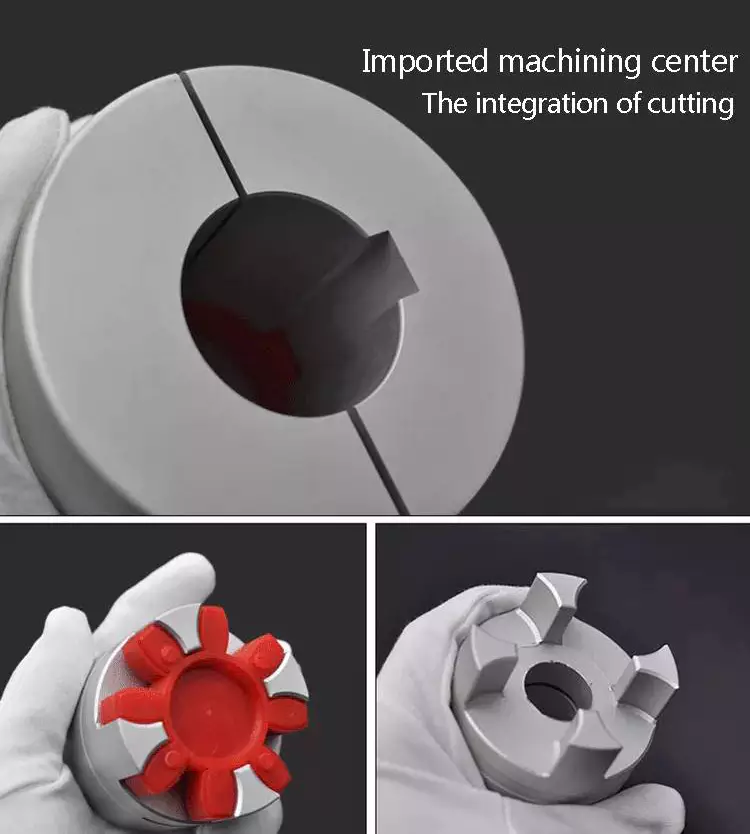
Shaft coupling
A shaft coupling joins two shafts and transmits rotational motion. Generally, shaft couplings allow for some degree of misalignment, but there are also torque limiters. Selecting the right coupling can save you time and money and prevent equipment downtime. Here are the main features to consider when purchasing a coupling for your application.
Shaft couplings should be easy to install and disassemble, transmit full power to the mated shaft, and reduce shock loads. A shaft coupling that does not have projecting parts should be used for machines that move or rotate at high speeds. Some types of shaft couplings are flexible while others are rigid.
Shaft couplings can be used in a variety of applications, including piping systems. They can be used to connect shafts that are misaligned and help maintain alignment. They can also be used for vibration dampening. Shaft couplings also allow shafts to be disconnected when necessary.
Shaft couplings can accommodate a certain amount of backlash, but this backlash must be well within the tolerance set by the system. Extremely high backlash can break the coupling and cause excessive wear and stress. In addition, excessive backlash can lead to erratic alignment readings. To avoid these issues, operators must reduce backlash to less than 2deg.
Shaft couplings are often referred to by different names. Some are referred to as “sliced” couplings while others are known as “slit” couplings. Both types offer high torque and torsional stiffness. These couplings are typically made from metals with various alloys, such as acetal, stainless steel, or titanium.
CZPT Pulley produces shaft couplings for a variety of applications. These products are used in high-power transmission systems. They have several advantages over friction couplings. In addition to minimizing wear, they don’t require lubrication. They are also capable of transmitting high torque and high speeds.
Another type of shaft coupling is the universal coupling. It is used to transmit power to multiple machines with different spindles. Its keyed receiving side and flanges allow it to transmit power from one machine to another.
editor by CX 2023-04-28
China Drum shape gear coupling 45# steel factory price for motor pump connect rigid shaft coupling manufacturer high speed hot sale a universal coupling is
Guarantee: 1 calendar year, 1 Calendar year
Applicable Industries: Garment Outlets, Developing Content Shops, Manufacturing Plant, Machinery Fix Outlets, Foodstuff & Beverage Manufacturing unit, Coupling Maker drum form gear coupling Manufacturing facility Price 45# steel hubs torque transmission industrial tools Farms, Power & Mining, Other, Mining
Tailored support: OEM
Structure: Gear
Versatile or Rigid: Rigid
Standard or Nonstandard: Nonstandard
Substance: Metal
Product identify: Drum shape gear coupling
Variety: GCLD
Body Materials: 45# metal
Shade: Black
Surface Treatment method: Blackening
MOQ: 1 Set
Certification: ISO9001:2015
Measurement: Customized Size
Packaging Specifics: normal export packing and wood pallets packing
Port: ZheJiang port, China
Hot Sale
| one. Merchandise Name | Drum condition equipment coupling |
| 2. Kind | GCLD |
| three. Software | Shaft Relationship |
| 4. Brand name | HangZhou CZPT |
| five. MOQ | one Set |
| six. Price | EXW cost |
| 7. Shipping Way | By sea, DHL, Disc Coupling Versatile Coupling Diaphragm Coupling UPS, Fedex or as customers’ demands |
| 8. Payment Conditions | By way of T/T |
| nine. Shipping and delivery Time | Inside of 15-20 workdays soon after deposit or as customers’ prerequisite |
| 10. Packaging | 1. Export Wood Box two. Carton Box 3. We can carry out according to customers’ demands |
Certifications
Organization Information
Packaging & Shipping
Purposes
FAQ
Programming With Couplings
A coupling is a mechanical device that connects two shafts together and transmits power. Its purpose is to join rotating equipment and allows some degree of end-movement or misalignment. There are many different types of couplings. It’s important to choose the right one for your application.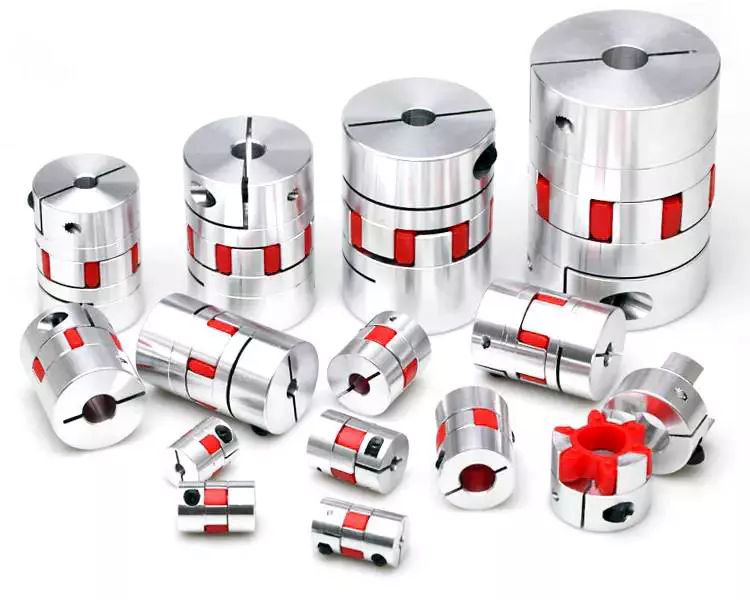
Mechanical connection between two shafts
There are many ways to achieve mechanical connection between two shafts, including the use of a coupling. One common type is the beam coupling, which is also known as a helical coupling. It is used for transmission of torque between two shafts. This type of connection accommodates axial, parallel and angular misalignments.
The hubs and shafts of a worm gear are connected together by a coupling. This mechanical connection allows one shaft to turn another without causing a mechanical failure. This type of coupling is made from sliding or rubbing parts to transfer torque. However, the coupling is not designed to withstand jerks, so it isn’t suitable for high-speed applications.
The use of a coupling is common in machinery and equipment. It helps transmit power from one drive shaft to the other, while adding mechanical flexibility. It is also useful for reducing the impact and vibration caused by misalignment. It also protects the drive shaft components from wear and tear.
A double-hook coupling can be used to provide a uniform angular velocity at the driven shaft. Another example is a double-jointed coupling. A double-jointed coupling can be used to connect shafts that are not directly intersecting. The double-jointed yoke can be used for the same purpose.
A shaft coupling is a device that maintains a strong mechanical connection between two shafts. It transfers motion from one shaft to another, at all loads and misalignments. Unlike a conventional linkage, a shaft coupling isn’t designed to allow relative motion between the two shafts. Couplings often serve several purposes in a machine, but their primary use is torque and power transmission.
Functions that control the flow of another function
One of the simplest programming constructs is a function that controls the flow of another function. A function can take an argument and return a different value, but it must be ready to return before it can pass that value to another function. To do this, you can use the goto statement and the if statement. Another way to control flow is to use a conditional statement.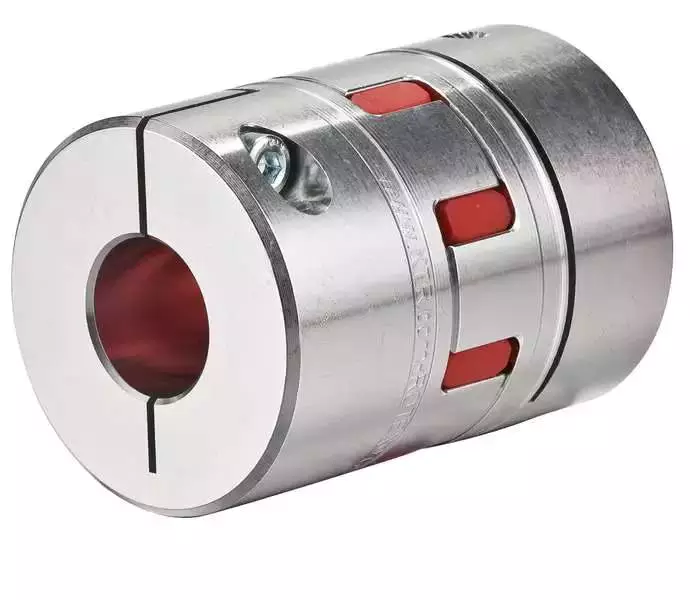
Criteria for selecting a coupling
There are several important factors to consider when choosing the right coupling. One of the most important factors is coupling stiffness, which depends on the material used and the shape. The stiffness of a coupling determines its ability to resist elastic deformation. A stiff coupling is desirable for certain types of applications, but it’s undesirable for others. Stiffness can reduce the performance of a system if there’s too much inertia. To avoid this, ensure that the coupling you choose is within the recommended limits.
The size of a coupling is also important. Different coupling types can accommodate different shaft sizes and shapes. Some couplings have special features, such as braking and shear pin protection. When choosing a coupling, you should also consider the type of driven equipment. If you need to connect a high-torque motor, for example, you’ll want to choose a gear coupling. Likewise, a high-speed machine may require a disc coupling.
Another factor to consider when selecting a coupling is the torque rating. Despite its importance, it’s often underestimated. The torque rating is defined as the torque of the coupling divided by its OD. In some cases, torque may fluctuate during a cycle, requiring a coupling with a higher torque rating.
Torsionally flexible couplings are also important to consider. Their design should be able to withstand the torque required during operation, as well as the required speed. The coupling should also have a high degree of torsional stiffness, as well as damping. Furthermore, a damping coupling can reduce the energy wasted through vibration.
The sizing of a coupling is also determined by the torque. Many engineers use torque to select the correct coupling size, but they also take into consideration torsional flexibility and torsional stiffness. For example, a shaft may be able to handle large torque without damaging the coupling, while a disk may be unable to handle large amounts of torque.
Besides torque, another important consideration in coupling selection is the cost. While a coupling may be cheaper, it may be less reliable or easier to maintain. Couplings that are difficult to service may not last as long. They may also require frequent maintenance. If that’s the case, consider purchasing a coupling with a low service factor.
There are many different types of couplings. Some require additional lubrication throughout their lifetime, while others are 100% lubrication-free. An example of a 100% lubrication-free coupling is the RBI flexible coupling from CZPT. This type of coupling can significantly reduce your total cost of ownership.
In addition to the above-mentioned benefits, elastomeric couplings are low-cost and need little maintenance. While they are often cheaper than metallic couplings, they also have excellent shock absorption and vibration dampening properties. However, they are susceptible to high temperatures. Also, they are difficult to balance as an assembly, and have limited overload torque capacity.
editor by czh 2023-03-18
China Factory Custom Flexible Electric Motor Drive Stainless Steel rigid shaft steel coupling coupling and uncoupling
Warranty: 1 year
Relevant Industries: Producing Plant, Machinery Fix Shops
Custom-made support: OEM, ODM
Composition: Jaw / Spider
Versatile or Rigid: Rigid
Standard or Nonstandard: Nonstandard
Materials: stainless steel ,metal ,aluminum
Solution title: Electric powered Moto driving rigid shaft coupling
Entire body Substance: Stainless Metal Aluminum Steel
Search term: rigid shaft coupling
Color: Customrized
Surface Treatment: anodized ,Chrome plated ,nickel plated
Quality: Large-high quality
Packaging Information: customized
Port: HangZhou
Specification
| product title | Electric Motor Drive Stainless Metal Shaft coupling |
| material | stainless steel ,aluminum |
| Finish | Anodized ,nickel plated , Cnc Equipment Key Slot Durable Metal Little Disc Coupling Coup-Website link Regular Worm Gear Coupling Lk11 Chrome plated |
| color | Customized |
Types of Coupling
A coupling is a device used to join two shafts together and transmit power. Its primary function is to join rotating equipment and allows for some end movement and misalignment. This article discusses different types of coupling, including Magnetic coupling and Shaft coupling. This article also includes information on Overload safety mechanical coupling.
Flexible beam coupling
Flexible beam couplings are universal joints that can deal with shafts that are offset or at an angle. They consist of a tube with couplings at both ends and a thin, flexible helix in the middle. This makes them suitable for use in a variety of applications, from motion control in robotics to attaching encoders to shafts.
These couplings are made of one-piece materials and are often made of stainless steel or aluminium alloy. However, they can also be made of acetal or titanium. While titanium and acetal are less common materials, they are still suitable for high-torque applications. For more information about beam couplings, contact CZPT Components.
Flexible beam couplings come in a variety of types and sizes. W series couplings are good for general purpose applications and are relatively economical. Stainless steel versions have increased torque capacity and torsional stiffness. Flexible beam couplings made of aluminum are ideal for servo and reverse motion. They are also available with metric dimensions.
Flexible beam couplings are made of aluminum alloy or stainless steel. Their patented slot pattern provides low bearing load and high torsional rigidity. They have a long operational life. They also require zero maintenance and can handle angular offset. Their advantages outweigh the disadvantages of traditional beam couplings.
Magnetic coupling
Magnetic coupling transfers torque from one shaft to another using a magnetic field. These couplings can be used on various types of machinery. These types of transmissions are very useful in many situations, especially when you need to move large amounts of weight. The magnetic field is also very effective at reducing friction between the two shafts, which can be extremely helpful if you’re moving heavy items or machinery.
Different magnetic couplings can transmit forces either linearly or rotated. Different magnetic couplings have different topologies and can be made to transmit force in various geometric configurations. Some of these types of couplings are based on different types of materials. For example, a ceramic magnetic material can be used for applications requiring high temperature resistance.
Hybrid couplings are also available. They have a hybrid design, which allows them to operate in either an asynchronous or synchronous mode. Hysterloy is an alloy that is easily magnetized and is used in synchronous couplings. A synchronous magnetic coupling produces a coupled magnetic circuit.
Magnetic coupling is a key factor in many physical processes. In a crystal, molecules exhibit different magnetic properties, depending on their atomic configuration. Consequently, different configurations produce different amounts of magnetic coupling. The type of magnetic coupling a molecule exhibits depends on the exchange parameter Kij. This exchange parameter is calculated by using quantum chemical methods.
Magnetic couplings are most commonly used in fluid transfer pump applications, where the drive shaft is hermetically separated from the fluid. Magnetic couplings also help prevent the transmission of vibration and axial or radial loads through the drive shaft. Moreover, they don’t require external power sources, since they use permanent magnets.
Shaft coupling
A shaft coupling is a mechanical device that connects two shafts. The coupling is designed to transmit full power from one shaft to the other, while keeping the shafts in perfect alignment. It should also reduce transmission of shock loads. Ideally, the coupling should be easy to connect and maintain alignment. It should also be free of projecting parts.
The shaft couplings that are used in machines are typically made of two types: universal coupling and CZPT coupling. CZPT couplings are designed to correct for lateral misalignment and are composed of two flanges with tongues and slots. They are usually fitted with pins. The T1 tongue is fitted into flange A, while the T2 tongue fits into flange B.
Another type of shaft coupling is known as a “sliced” coupling. This type of coupling compensates for inevitable shaft misalignments and provides high torque. Machined slits in the coupling’s outer shell help it achieve high torsional stiffness and excellent flexibility. The design allows for varying engagement angles, making it ideal for many different applications.
A shaft coupling is an important component of any machine. Proper alignment of the two shafts is vital to avoid machine breakdowns. If the shafts are misaligned, extra force can be placed on other parts of the machine, causing vibration, noise, and damage to the components. A good coupling should be easy to connect and should ensure precise alignment of the shaft. Ideally, it should also have no projecting parts.
Shaft couplings are designed to tolerate a certain amount of backlash, but it must be within a system’s threshold. Any angular movement of the shaft beyond this angle is considered excessive backlash. Excessive backlash results in excessive wear, stress, and breakage, and may also cause inaccurate alignment readings. It is therefore imperative to reduce backlash before the shaft alignment process.
Overload safety mechanical coupling
Overload safety mechanical couplings are devices that automatically disengage when the torque applied to them exceeds a specified limit. They are an efficient way to protect machinery and reduce the downtime associated with repairing damaged machinery. The advantage of overload couplings is their fast reaction time and ease of installation.
Overload safety mechanical couplings can be used in a wide range of applications. Their automatic coupling mechanisms can be used on any face or edge. In addition, they can be genderless, incorporating both male and female coupling features into a single mechanism. This means that they are both safe and gender-neutral.
Overload safety couplings protect rotating power transmission components from overloads. Overload protection devices are installed on electric motors to cut off power if the current exceeds a certain limit. Likewise, fluid couplings in conveyors are equipped with melting plug elements that allow the fluid to escape when the system becomes too hot. Mechanical force transmission devices, such as shear bolts, are designed with overload protection in mind.
A common design of an overload safety mechanical coupling consists of two or more arms and hubs separated by a plastic spider. Each coupling body has a set torque threshold. Exceeding this threshold may damage the spider or damage the jaws. In addition, the spider tends to dampen vibration and absorb axial extension. This coupling style is nearly backlash free, electrically isolating, and can tolerate very little parallel misalignment.
A mechanical coupling may also be a universal joint or jaw-clutch coupling. Its basic function is to connect the driver and driven shafts, and limits torque transfer. These devices are typically used in heavy-duty industries, such as steel plants and rolling mills. They also work well with industrial conveyor systems.
CZPT Pulley
The CZPT Pulley coupling family offers a comprehensive range of couplings for motors of all types. Not only does this range include standard motor couplings, but also servo couplings, which require ultra-precise control. CZPT Pulley couplings are also suitable for engine applications where high shocks and vibrations are encountered.
CZPT Pulley couplings have a “sliced” body structure, which allows for excellent torsional stiffness and strength. They are corrosion-resistant and can withstand high rotational speeds. The couplings’ design also ensures accurate shaft rotation while limiting shaft misalignment.
CZPT Pulley has introduced the CPU Pin Type couplings, which are effective at damping vibration and maintain zero backlash. They are also made from aluminum and are capable of absorbing heat. They come with recessed tightening screws. They can handle speeds up to 4,000 RPM, and are RoHS-compliant.
editor by czh 2023-03-09
China Aluminum Rigid Shaft Coupling Coupler Connector with Spanner dry break coupling
Warranty: 3 a long time
Applicable Industries: Other
Personalized assistance: OEM, ODM, OBM
Normal or Nonstandard: Normal
Material: Aluminium
Item title: Aluminum Rigid Shaft Coupling
Software: RC Ship, Auto, ircraft Product
Body Substance: Aluminum
Floor Remedy: machining
MOQ: 1 Set
Packing: Carton
Packaging Information: Aluminum Rigid Shaft Coupling1. With plastic bag, with pearl-cotton package.2. To be packed in cartons.3. Use glues tape to seal cartons.4. Deliver out by DHL, FEDEX, UPS, TNTOr in accordance to customers’ necessity.Blister Box packing, Carton Box packing, Pearl wool packing, Bubble bag packed layer by layer in center to defend the merchandise.
Merchandise Description
| Rapidly switch about | Numerous types of machines, hugely correct parts in as minor as 6 enterprise days. |
| Multiplicities | We could make the welding, 3-Axis Machining, 4-Axis machining, Turning, Chucking, Threading, Milling, Tapping, Drilling. |
| PRECISION | Delivers higher-precision tolerances ranging from +/-.001″ – .005″, depending on client specs. |
| Substance Variety | Decide on from more than 50 metallic and plastic resources. CNC Machining provides a extensive variety of accredited resources. |
| Personalized FINISHES | Ra3.2 to Ra0.8, Milled Complete, |
| Minimum Get Quantity | one piece. We think the client will place a big buy for us right after they know our top quality. |
| 1- end provider | we could make the stamping components, laser chopping parts, Casting components, forge,casting, 3D printing etc. |
| Sample | We take 1pciece sample. And if the sample design and style is easy generating, we could cost-free for you. |
| Engineer | When you deliver a design and style, drawing or notion for a merchandise that you need to have produced, our designers and engineers will make sure that all of the dimensions are right and that the correct materials are used to stand up to the functional apps of the portion, tooling or device you need to have. |
| Soon after-income provider | If your order or our sales have any dissatisfactions. Make sure you send the email to prime(@)flytigercnc.com. We will reply to you in twelve hrs. We Promise, if it is our blunder, we will free redo or complete refund for you ! 34 Varieties Of Gear Pack Plastic Motor Equipment Deal |
| Drawback | one.Simply cannot reply in 6 hours every single time.2.Not rich English. Telephone conversation is inconvenient3.We are not a large organization. but we will be.4.The support is not excellent! |
| MATELS | |
| Aluminum | AL6061, AL6063, AL7075, AL6082, AL2571, AL5052, ALA380 |
| Brass | C36000, C37000, C37100, C37700, C32800, C26000, C24000, C22000 |
| Copper | C11000, C12000, C12200, C15710 |
| stainless steel | SS304, SS316, SS303, SS201, SS301, SS416 |
| Iron | 20#,45#,Q235,Q345,1214,1215 |
| Bronze, Titanium, Zinc, Magnesium, molybdenum | |
| Plastic | |
| Fiberglass | Acrylonitrile Butadiene Styrene (Abdominal muscles) |
| Polycarbonate (Personal computer) | Acetal (Polyoxymethylene (POM)) [Delrin] |
| Polyetherimide (PEI) [Ultem] | Polyvinyl Chloride (PVC) |
| Polypropylene(PP) | Polyether Ether Ketone (PEEK) |
| Polyethylene (PE) | Polymethyl Methacrylate (PMMA/Acrylic) |
| Polyurethane (PU) | Polytetrafluoroethylene (PTFE) [Teflon] |
| Element dimensions | Tolerance | Angularity |
| -twelve”/-304.8mm | .001”/.5714mm- .005″/.127mm | ± blackening substantial precision, helical gear assistance tailored, linear CZPT gear rack difficult tooth area 3 die thirty 30 1/2 degree |
| twelve”-24″/304.8-609.6mm | .571″/.254mm | ± 1/2 degree |
| 24″-36″/609.6-914.4mm | .015625″ (1/sixty four)/.397mm | ± 1 diploma |
| 36″-60″/914.4-1524mm | .5715″ (1/32)/.79375mm | ± 1 diploma |
| More than sixty”/1524mm | .0625″ (1/sixteen)/1.5875mm | ± 1 degree |
What Is a Coupling?
A coupling is a device used to connect two shafts. It transmits power between them and allows for some misalignment or end movement. There are several types of couplings. The most common ones are gear couplings and planetary couplings. However, there are many others as well.
Transfer of energy
Energy coupling is a process by which two biological reactions are linked by sharing energy. The energy released during one reaction can be used to drive the second. It is a very useful mechanism that synchronizes two biological systems. All cells have two types of reactions, exergonic and endergonic, and they are connected through energy coupling.
This process is important for a number of reasons. The first is that it allows the exchange of electrons and their energy. In a single molecule, this energy transfer involves the exchange of two electrons of different energy and spin. This exchange occurs because of the overlap interaction of two MOs.
Secondly, it is possible to achieve quadratic coupling. This is a phenomenon that occurs in circular membrane resonators when the system is statically deflected. This phenomenon has been gaining a great deal of interest as a mechanism for stronger coupling. If this mechanism is employed in a physical system, energy can be transferred on a nanometer scale.
The magnetic field is another important factor that affects the exchange of energy between semiconductor QWs. A strong magnetic field controls the strength of the coupling and the energy order of the exciton. The magnetic field can also influence the direction of polariton-mediated energy transfer. This mechanism is very promising for controlling the routing of excitation in a semiconductor.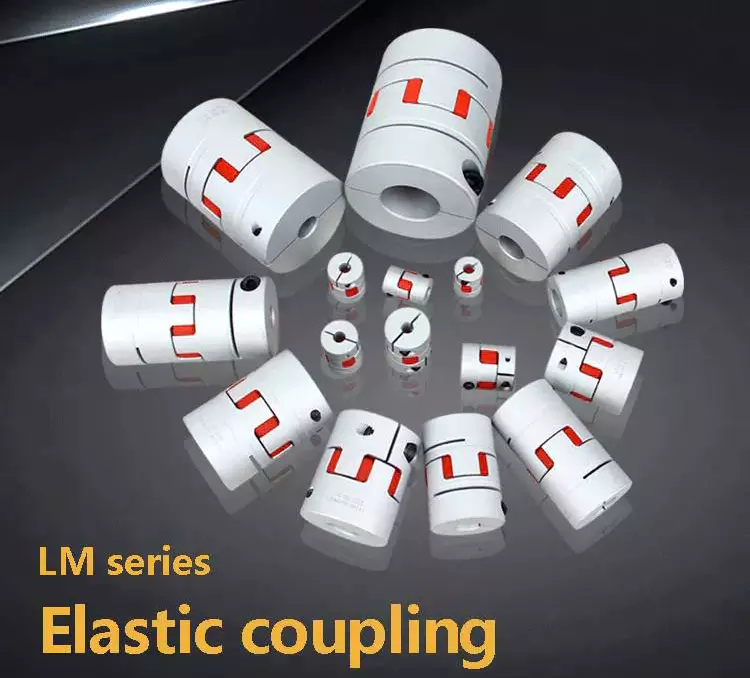
Functions
Couplings play a variety of functions, including transferring power, compensating for misalignment, and absorbing shock. These functions depend on the type of shaft being coupled. There are four basic types: angular, parallel, and symmetrical. In many cases, coupling is necessary to accommodate misalignment.
Couplings are mechanical devices that join two rotating pieces of equipment. They are used to transfer power and allow for a small degree of end-to-end misalignment. This allows them to be used in many different applications, such as the transmission from the gearbox to the differential in an automobile. In addition, couplings can be used to transfer power to spindles.
Types
There are two main types of couplings: rigid and flexible. Rigid couplings are designed to prevent relative motion between the two shafts and are suitable for applications where precise alignment is required. However, high stresses in the case of significant misalignment can cause early failure of the coupling. Flexible couplings, on the other hand, allow for misalignment and allow for torque transmission.
A software application may exhibit different types of coupling. The first type involves the use of data. This means that one module may use data from another module for its operation. A good example of data coupling is the inheritance of an object. In a software application, one module can use another module’s data and parameters.
Another type of coupling is a rigid sleeve coupling. This type of coupling has a pipe with a bore that is finished to a specified tolerance. The pipe contains two threaded holes for transmitting torque. The sleeve is secured by a gib head key. This type of coupling may be used in applications where a couple of shafts are close together.
Other types of coupling include common and external. Common coupling occurs when two modules share global data and communication protocols. This type of coupling can lead to uncontrollable error propagation and unforeseen side effects when changes are made to the system. External coupling, on the other hand, involves two modules sharing an external device interface or communication protocol. Both types of coupling involve a shared code structure and depend on the external modules or hardware.
Mechanical couplings are essential in power transmission. They connect rotating shafts and can either be rigid or flexible, depending on the accuracy required. These couplings are used in pumps, compressors, motors, and generators to transmit power and torque. In addition to transferring power, couplings can also prevent torque overload.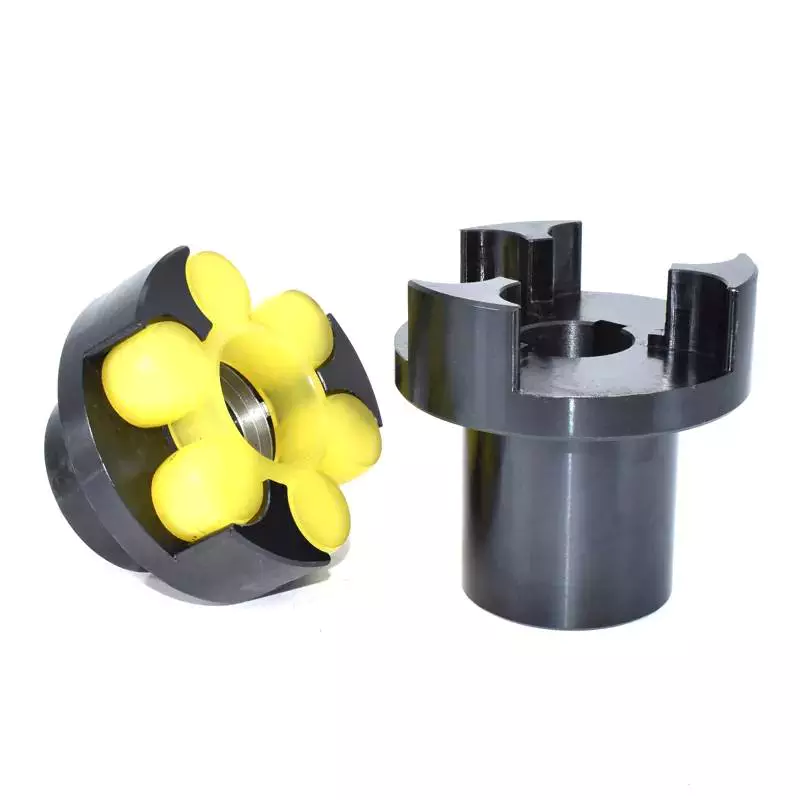
Applications
Different coupling styles are ideal for different applications, and they have different characteristics that influence the coupling’s reliability during operation. These characteristics include stiffness, misalignment capability, ease of installation and maintenance, inherent balance, and speed capability. Selecting the right coupling style for a particular application is essential to minimize performance problems and maximize utility.
It is important to know the requirements for the coupling you choose before you start shopping. A proper selection process takes into account several design criteria, including torque and rpm, acoustic signals, and environmental factors. Once you’ve identified these parameters, you can select the best coupling for the job.
A gear coupling provides a mechanical connection between two rotating shafts. These couplings use gear mesh to transmit torque and power between two shafts. They’re typically used on large industrial machines, but they can also be used in smaller motion control systems. In smaller systems, a zero-backlash coupling design is ideal.
Another type of coupling is the flange coupling. These are easy to manufacture. Their design is similar to a sleeve coupling. But unlike a sleeve coupling, a flange coupling features a keyway on one side and two threaded holes on the other. These couplings are used in medium-duty industrial applications.
Besides being useful for power transmission, couplings can also prevent machine vibration. If vibration occurs in a machine, it can cause it to deviate from its predetermined position, or damage the motor. Couplings, however, help prevent this by absorbing the vibration and shock and preventing damage to expensive parts.
Couplings are heavily used in the industrial machinery and electrical industries. They provide the necessary rotation mechanism required by machinery and other equipment. Coupling suppliers can help customers find the right coupling for a specific application.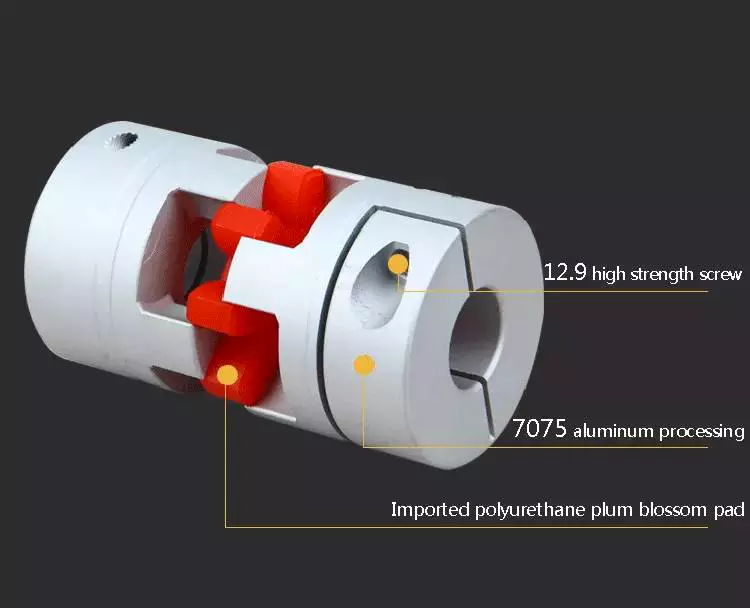
Criteria for selecting a coupling
When selecting a coupling for a specific application, there are a number of different factors to consider. These factors vary greatly, as do operating conditions, so selecting the best coupling for your system can be challenging. Some of these factors include horsepower, torque, and speed. You also need to consider the size of the shafts and the geometry of the equipment. Space restrictions and maintenance and installation requirements should also be taken into account. Other considerations can be specific to your system, such as the need for reversing.
First, determine what size coupling you need. The coupling’s size should be able to handle the torque required by the application. In addition, determine the interface connection, such as straight or tapered keyed shafts. Some couplings also feature integral flange connections.
During the specification process, be sure to specify which materials the coupling will be made of. This is important because the material will dictate most of its performance characteristics. Most couplings are made of stainless steel or aluminum, but you can also find ones made of Delrin, titanium, or other engineering-grade materials.
One of the most important factors to consider when selecting a coupling is its torque capability. If the torque rating is not adequate, the coupling can be damaged or break easily. Torque is a major factor in coupling selection, but it is often underestimated. In order to ensure maximum coupling performance, you should also take into consideration the size of the shafts and hubs.
In some cases, a coupling will need lubrication throughout its lifecycle. It may need to be lubricated every six months or even once a year. But there are couplings available that require no lubrication at all. An RBI flexible coupling by CZPT is one such example. Using a coupling of this kind can immediately cut down your total cost of ownership.
editor by czh 2023-02-17
China Custom Best quality shaft coupling LZ7-C34X45 aluminum rigid flexible coupling joint
Warranty: 6 months
Relevant Industries: Meals & Beverage Manufacturing unit, CNC machine, Packaging machine, Automation
Custom-made assistance: OEM, ODM, OBM
Framework: Common
Versatile or Rigid: Versatile
Common or Nonstandard: Normal
Materials: Aluminium
Solution title: Flexible Coupling
Entire body Material: Alumunium
Size: Common Dimension
Coloration: Silver White
Model Amount: LZ7-C34X45
Outer diameter: 34mm
Size: 45mm
Aperture: 6,3,3,5,7,8,10,12mm
Attribute: Transmission Shaft Port Connection Components
Packing: Plastic Bag
Packaging Information: Poly bag sealed, Carton Packaging
LZ5 sequence aluminum Alloy single diaphragm coupling (affordable clamping sort) Specification
| Product title | Flexible Coupling |
| Body Material | Alumunium |
| Size | Standard Dimension |
| Outer diameter | 34mm |
| Length | 55mm |
| Feature | Transmission Shaft Port Link Areas |
| Aperture | 6,3,3,5,7,8,10,12mm |
| Packing | Plastic Bag |
Screw Sizes and Their Uses
Screws have different sizes and features. This article will discuss screw sizes and their uses. There are two main types: right-handed and left-handed screw shafts. Each screw features a point that drills into the object. Flat tipped screws, on the other hand, need a pre-drilled hole. These screw sizes are determined by the major and minor diameters. To determine which size of screw you need, measure the diameter of the hole and the screw bolt’s thread depth.
The major diameter of a screw shaft
The major diameter of a screw shaft is the distance from the outer edge of the thread on one side to the tip of the other. The minor diameter is the inner smooth part of the screw shaft. The major diameter of a screw is typically between two and sixteen inches. A screw with a pointy tip has a smaller major diameter than one without. In addition, a screw with a larger major diameter will have a wider head and drive.
The thread of a screw is usually characterized by its pitch and angle of engagement. The pitch is the angle formed by the helix of a thread, while the crest forms the surface of the thread corresponding to the major diameter of the screw. The pitch angle is the angle between the gear axis and the pitch surface. Screws without self-locking threads have multiple starts, or helical threads.
The pitch is a crucial component of a screw’s threading system. Pitch is the distance from a given thread point to the corresponding point of the next thread on the same shaft. The pitch line is one element of pitch diameter. The pitch line, or lead, is a crucial dimension for the thread of a screw, as it controls the amount of thread that will advance during a single turn.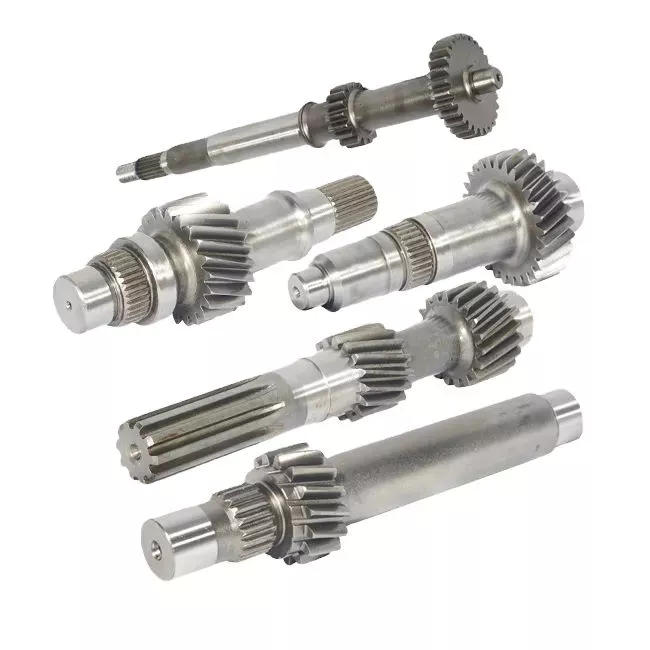
The pitch diameter of a screw shaft
When choosing the appropriate screw, it is important to know its pitch diameter and pitch line. The pitch line designates the distance between adjacent thread sides. The pitch diameter is also known as the mean area of the screw shaft. Both of these dimensions are important when choosing the correct screw. A screw with a pitch of 1/8 will have a mechanical advantage of 6.3. For more information, consult an application engineer at Roton.
The pitch diameter of a screw shaft is measured as the distance between the crest and the root of the thread. Threads that are too long or too short will not fit together in an assembly. To measure pitch, use a measuring tool with a metric scale. If the pitch is too small, it will cause the screw to loosen or get stuck. Increasing the pitch will prevent this problem. As a result, screw diameter is critical.
The pitch diameter of a screw shaft is measured from the crest of one thread to the corresponding point on the next thread. Measurement is made from one thread to another, which is then measured using the pitch. Alternatively, the pitch diameter can be approximated by averaging the major and minor diameters. In most cases, the pitch diameter of a screw shaft is equal to the difference between the two.
The thread depth of a screw shaft
Often referred to as the major diameter, the thread depth is the outermost diameter of the screw. To measure the thread depth of a screw, use a steel rule, micrometer, or caliper. In general, the first number in the thread designation indicates the major diameter of the thread. If a section of the screw is worn, the thread depth will be smaller, and vice versa. Therefore, it is good practice to measure the section of the screw that receives the least amount of use.
In screw manufacturing, the thread depth is measured from the crest of the screw to the root. The pitch diameter is halfway between the major and minor diameters. The lead diameter represents the amount of linear distance traveled in one revolution. As the lead increases, the load capacity decreases. This measurement is primarily used in the construction of screws. However, it should not be used for precision machines. The thread depth of a screw shaft is essential for achieving accurate screw installation.
To measure the thread depth of a screw shaft, the manufacturer must first determine how much material the thread is exposed to. If the thread is exposed to side loads, it can cause the nut to wedge. Because the nut will be side loaded, its thread flanks will contact the nut. The less clearance between the nut and the screw, the lower the clearance between the nut and the screw. However, if the thread is centralized, there is no risk of the nut wedgeing.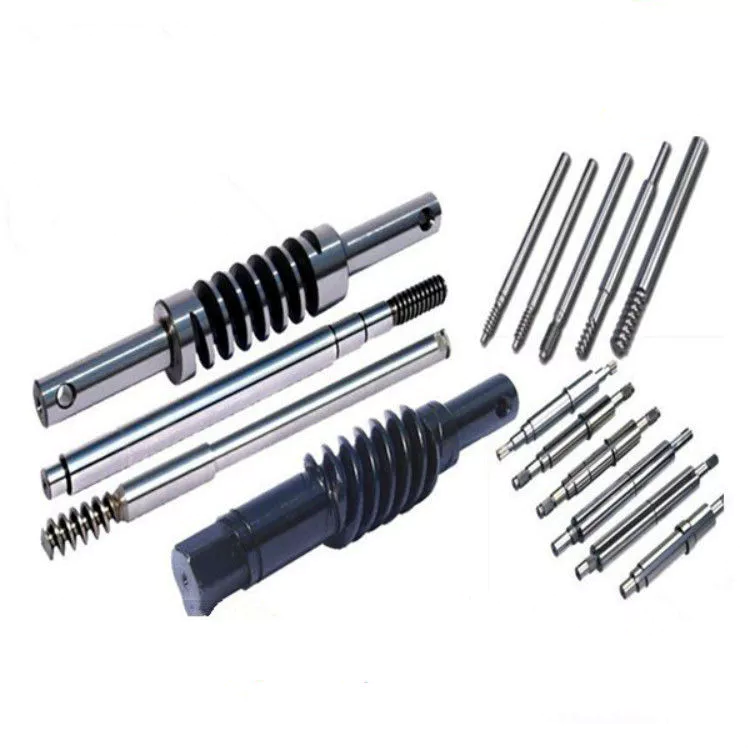
The lead of a screw shaft
Pitch and lead are two measurements of a screw’s linear distance per turn. They’re often used interchangeably, but their definitions are not the same. The difference between them lies in the axial distance between adjacent threads. For single-start screws, the pitch is equal to the lead, while the lead of a multi-start screw is greater than the pitch. This difference is often referred to as backlash.
There are two ways to calculate the pitch and lead of a screw. For single-start screws, the lead and pitch are equal. Multiple-start screws, on the other hand, have multiple starts. The pitch of a multiple-start screw is the same as its lead, but with two or more threads running the length of the screw shaft. A square-thread screw is a better choice in applications requiring high load-bearing capacity and minimal friction losses.
The PV curve defines the safe operating limits of lead screw assemblies. It describes the inverse relationship between contact surface pressure and sliding velocity. As the load increases, the lead screw assembly must slow down in order to prevent irreversible damage from frictional heat. Furthermore, a lead screw assembly with a polymer nut must reduce rpm as the load increases. The more speed, the lower the load capacity. But, the PV factor must be below the maximum allowed value of the material used to make the screw shaft.
The thread angle of a screw shaft
The angle between the axes of a thread and the helix of a thread is called the thread angle. A unified thread has a 60-degree angle in all directions. Screws can have either a tapped hole or a captive screw. The screw pitch is measured in millimeters (mm) and is usually equal to the screw major diameter. In most cases, the thread angle will be equal to 60-degrees.
Screws with different angles have various degrees of thread. Originally, this was a problem because of the inconsistency in the threading. However, Sellers’s thread was easier to manufacture and was soon adopted as a standard throughout the United States. The United States government began to adopt this thread standard in the mid-1800s, and several influential corporations in the railroad industry endorsed it. The resulting standard is called the United States Standard thread, and it became part of the ASA’s Vol. 1 publication.
There are two types of screw threads: coarse and fine. The latter is easier to tighten and achieves tension at lower torques. On the other hand, the coarse thread is deeper than the fine one, making it easier to apply torque to the screw. The thread angle of a screw shaft will vary from bolt to bolt, but they will both fit in the same screw. This makes it easier to select the correct screw.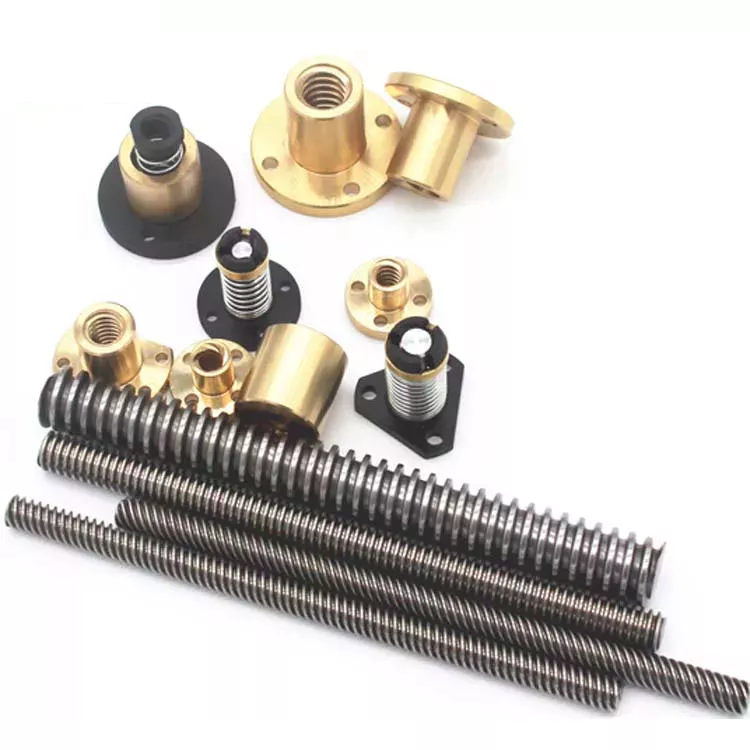
The tapped hole (or nut) into which the screw fits
A screw can be re-threaded without having to replace it altogether. The process is different than that of a standard bolt, because it requires threading and tapping. The size of a screw is typically specified by its major and minor diameters, which is the inside distance between threads. The thread pitch, which is the distance between each thread, is also specified. Thread pitch is often expressed in threads per inch.
Screws and bolts have different thread pitches. A coarse thread has fewer threads per inch and a longer distance between threads. It is therefore larger in diameter and longer than the material it is screwed into. A coarse thread is often designated with an “A” or “B” letter. The latter is generally used in smaller-scale metalworking applications. The class of threading is called a “threaded hole” and is designated by a letter.
A tapped hole is often a complication. There is a wide range of variations between the sizes of threaded holes and nut threads, so the tapped hole is a critical dimension in many applications. However, even if you choose a threaded screw that meets the requisite tolerance, there may be a mismatch in the thread pitch. This can prevent the screw from freely rotating.


editor by czh