Product Description
Product Description
Coupling Deatails
Name: High precision plum blossom
coupling Model: LM-Material: Aviation Aluminum Alloy
Working temperature: -40 ° C ~ 100 ° C
Support customization: Factory direct sales support customization.
Features:
1.Intermediate Elastomer Connection-Absorbs vibration, compensates for radial, angular, and axial 2.misalignment
3.Oil resistance and electrical insulation
4.Clockwise and counterclockwise rotation characteristics are identical-there are 3 different hardness 5.elastomer
6.Fixation by clamping screw.
|
Model parameter |
ΦD |
L |
LF |
LP |
F |
M |
Tightening screw torque |
|
(N.M) |
|||||||
|
GF-14X22 |
14 |
22 |
14.3 |
6.6 |
3.8 |
M 3 |
0.7 |
|
GF-20X25 |
20 |
25 |
16.7 |
8.6 |
4 |
M 3 |
0.7 |
|
GF-20X30 |
20 |
30 |
19.25 |
8.6 |
5.3 |
M 4 |
1.7 |
|
GF-25X30 |
25 |
30 |
20.82 |
11.6 |
5.6 |
M 4 |
1.7 |
|
GF-25X34 |
25 |
34 |
22.82 |
11.6 |
5.6 |
M 4 |
1.7 |
|
GF-30X35 |
30 |
35 |
23 |
11.5 |
5.75 |
M 4 |
1.7 |
|
GF-30X40 |
30 |
40 |
25.6 |
11.5 |
10 |
M 4 |
1.7 |
|
GF-40X50 |
40 |
50 |
32.1 |
14.5 |
10 |
M 5 |
4 |
|
GF-40X55 |
40 |
55 |
34.5 |
14.5 |
10 |
M 5 |
4 |
|
GF-40X66 |
40 |
66 |
40 |
14.5 |
12.75 |
M 5 |
4 |
|
GF-55X49 |
55 |
49 |
32 |
16.1 |
13.5 |
M 6 |
8.4 |
|
GF-55X78 |
55 |
78 |
46.4 |
16.1 |
15.5 |
M 6 |
8.4 |
|
GF-65X80 |
65 |
80 |
48.5 |
17.3 |
18.1 |
M 8 |
10.5 |
|
GF-65X90 |
65 |
90 |
53.5 |
17.3 |
18.1 |
M 8 |
10.5 |
Product Parameters
Detailed Photos
/* January 22, 2571 19:08:37 */!function(){function s(e,r){var a,o={};try{e&&e.split(“,”).forEach(function(e,t){e&&(a=e.match(/(.*?):(.*)$/))&&1
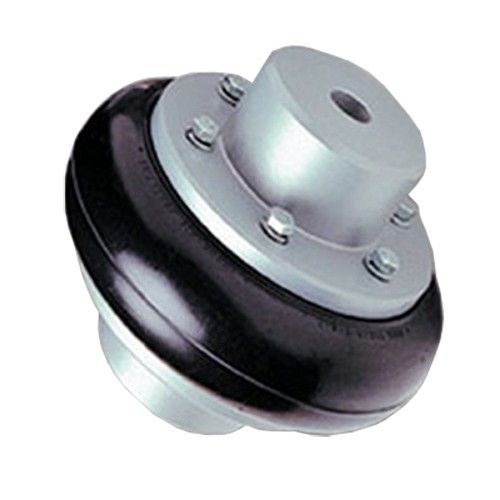
Recent Advancements in Rubber Coupling Technology
In recent years, rubber coupling technology has seen several advancements aimed at improving performance, durability, and overall efficiency:
- Enhanced Rubber Compounds: Development of advanced rubber compounds with improved resistance to wear, heat, chemicals, and environmental conditions.
- Advanced Manufacturing Techniques: Utilization of innovative manufacturing processes like injection molding and vulcanization to create couplings with consistent quality and higher precision.
- Improved Design: Integration of advanced design techniques and computer simulations to optimize the shape and characteristics of rubber elements, resulting in enhanced flexibility and damping properties.
- Customization: Increasing focus on offering customizable rubber couplings to meet specific application requirements and environmental conditions.
- Smart Couplings: Incorporation of sensors and monitoring systems into rubber couplings, allowing real-time tracking of coupling performance and condition.
These advancements have led to rubber couplings that offer better torque transmission, improved vibration isolation, longer service life, and reduced maintenance needs.
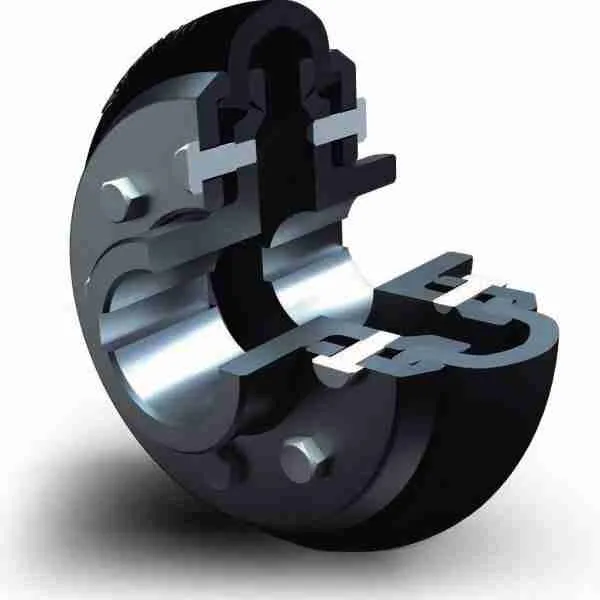
Handling Torque and Vibration Suppression in Rubber Couplings
Rubber couplings are designed to effectively handle both high levels of torque transmission and vibration suppression. The flexibility and damping properties of rubber make it well-suited for these purposes:
- Torque Transmission: Rubber couplings can transmit torque between shafts while accommodating angular misalignment. The rubber element flexes and deforms as torque is applied, allowing the coupling to transmit power even in misaligned conditions.
- Vibration Suppression: Rubber’s inherent damping characteristics help absorb and dissipate vibrations and shocks generated during the operation of machinery. This feature reduces the transfer of vibrations to connected components, minimizing wear and enhancing overall system performance.
Engineers select the appropriate rubber material and coupling design to ensure that the coupling can effectively handle the required torque levels and provide the desired vibration suppression. Rubber couplings find applications in various industries where torque transmission and vibration damping are critical for smooth and reliable machinery operation.
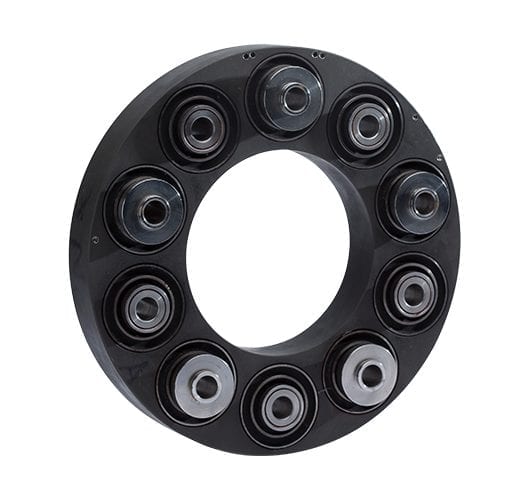
Challenges of Misaligned Rubber Couplings and Their Resolution
Misaligned rubber couplings can lead to several challenges that impact the performance and reliability of machinery. These challenges include:
1. Reduced Efficiency: Misalignment can result in increased friction, causing energy loss and reduced efficiency in power transmission.
2. Increased Wear: Misaligned rubber couplings can cause uneven wear on the coupling’s rubber element and other connected components, leading to premature failure.
3. Vibrations and Noise: Misalignment can cause vibrations and noise, which not only affect the machinery’s operation but also contribute to discomfort for operators.
4. Overloading: Misalignment can lead to uneven loading on the coupling and connected components, potentially causing overloading and damage.
5. Premature Failure: Continuous operation with misaligned couplings can accelerate wear and fatigue, leading to premature failure of the coupling and other components.
To resolve these challenges, proper alignment practices are crucial:
1. Regular Maintenance: Perform routine inspections to identify misalignment and other issues early, allowing for timely adjustments.
2. Precise Installation: Ensure accurate alignment during the installation process to prevent initial misalignment.
3. Laser Alignment: Use laser alignment tools for accurate and reliable alignment between shafts.
4. Corrective Measures: If misalignment is detected, take corrective actions promptly to restore proper alignment.
5. Balancing Loads: Distribute loads evenly across the coupling and connected components to prevent overloading.
By addressing misalignment challenges proactively and adopting appropriate maintenance practices, the longevity and performance of rubber couplings can be significantly improved, minimizing downtime and maintenance costs in industrial applications.


editor by CX 2024-03-30
China wholesaler 1613958500 Rubber Gear Flex Coupling Element Kit for CHINAMFG Screw Air Compressor Replacement Part Ga45 Ga55
Product Description
Product Description
16139585/1613982300
Type: Gear Flex Coupling
Applied: Atlas Copco
Certificate: iso 9001.
Coupling Selection Method
- Torque – power [kW] • Speed [r/min]
- Type of equipment and application
- Shaft diameters
- Shaft gaps
- Physical space limitation
- Special bore or finish information
Coupling Features
- Good starting performance can change the load starting of the motor to no-load starting, so as to realize the soft starting of the working machine, reduce the current during starting and reduce the starting energy consumption.
- Save electric energy and equipment cost, which can solve the unreasonable situation of the big horse-drawn trolley with load starting machine, save the motor capacity, improve the power factor and motor efficiency of the grid, reduce reactive power loss, save electric energy, and simplify the motor starting equipment and reduce equipment cost.
- The transferred torque can be adjusted, easy to achieve overload protection.When the working machine is overloaded or jammed, the steel ball type safety coupling will slip automatically, which can prevent the motor from burning out and other parts damage.
- Except for the starting and braking stages, the main and driven parts of the steel ball safety coupling have no speed difference, no friction loss and high transmission efficiency.
- Nonmetallic elastic elements are adopted in the steel ball type safety coupling, which can compensate the offset of the linked 2 axes within a certain range, with a small amount of buffering and damping.
- Reliable operation, stable performance, convenient installation, disassembly and maintenance.
Detailed Photos
Determining the right type of flexible coupling starts with the following analysis of the application:
- Prime mover type (motor, diesel engine, etc.) of the drive side of the system
- Actual horsepower and/or torque requirements, not prime motor-rated horsepower (note the range of variable torque caused by periodic or unstable loads, worst-case starting loads,
- Drive system inertia related to prime mover inertia (data available from equipment supplier)
- vibration, linear and torsional vibration (experienced supplier or consultant can help you evaluate vibration) shaft-to-shaft deviation;
- Note the degree of Angle offset (axis is not parallel) and parallel offset (distance between axis centers when axes are parallel but not aligned);
- Also note whether the drive/driven units share the same floor axial (inside/outside) axial motion,
- whether they share distance (the distance between the drive end and the driven axis), and any other space-related restrictions.
We are able to offer a wide range of special couplings, which are based on your samples or drawings.
Due to the refinement of production operations and the high-end technology, we have been able to produce high-quality Rubber Coupling, Trolley Wheel, Flexible Coupling, Flexible Rubber Coupling, Industrial Rubber Coupling, Star Coupling, CHINAMFG type Coupling Spare and other products, widely used in industrial applications.
All these products are tested and checked against the set quality parameters before being sent to the customer. This shows that we are willing to provide our customers with updated and perfect product lines to meet their different needs. In addition, we also provide customized solutions to provide customers with a wide range of space, so that they can choose their favorite products according to their needs and requirements.
More Products for Choose
| Coupling | Coupling |
| 1613949900 | 1613982300 |
| 1614873800 | 1613958500 |
| 165710800 | 165710800 |
| 162357100 | 1619646700 |
| 1615678500 | 165714700 |
| 1615682500 | 1604076100 |
| 1613982300 | 1626510900 |
Tips:
This is only a part of the part numbers, many oil separator filters P/N are not listed, in addition there are replacements filters for many other air compressor brands.
Company Profile
Now over 100,000 quality filters including compressed air filters, Hydraulic Filters and complete filter housing assemblies at wholesale discounts. We offer OEM products as well as high quality replacements, engineered to precise OEM specifications and guaranteed to match the exact form, fit and function as the original equipment. Our company is committed to continuous innovation and further improvement to create, improve the efficiency and productivity of excellence, to achieve the highest level of reliability and performance.
Company team
Our company is located in the beautiful coastal city of HangZhou,is a professional manufacturer of air compressor filters and separators,
We repect the enterprise spirit of “steadyfastness,hard work and responsibility” and creat a good corporate environment based on the operation principle of “Integrity,reliability and innovation”.
With the survival idea of “perfect technology, good service and excellent quality”,
We always adhere to customer first,
aim at serving customer sincerely and touching customer with our service.
We plunge ourselves to provide clear and sustainable comprssed air to our customer,
meanwhile constantly pursue to save the sunning cost of compressor system for them.
Profession, concentration, focus is our corporate philosophy.
Packaging & Shipping
FAQ
Q1. What is your product range?
A: Our products cover replacement hydraulic filter, Air compressor filters, Compressed air filter element, Heavy truck insert filters, Vacuum pump filters, and Some spare parts for compressors.
Q2. Is customized filter or OEM available?
A: Yes, just offer your required specifications and drawings.
Q3. Can you produce according to the samples?
A: Yes, we can produce by your samples or technical drawings. We can build new molds, but open new mold fee charged, when you place bulk order, the mold fee can return back.
Q4. What’s your terms of packing?
A: Generally, we pack our goods in neutral boxes,outside brown carton cases. If you have legally registered patent, we can pack the goods in your branded boxes after getting your authorization letters.
Q5. What’s the terms of payment?
A: T/T 30% as deposit, and 70% before delivery. We’ll show you the photos of the products and packages before you pay the balancing.
Q6. What’s your terms of delivery?
A: (1)FOB (2)CFR (3)CIF.
Q7. How about your delivery time?
A: Generally, under MOQ quantity take 5-7 working days after receiving your advance payment. The specific delivery time depends on models and the quantity of your order.
/* January 22, 2571 19:08:37 */!function(){function s(e,r){var a,o={};try{e&&e.split(“,”).forEach(function(e,t){e&&(a=e.match(/(.*?):(.*)$/))&&1
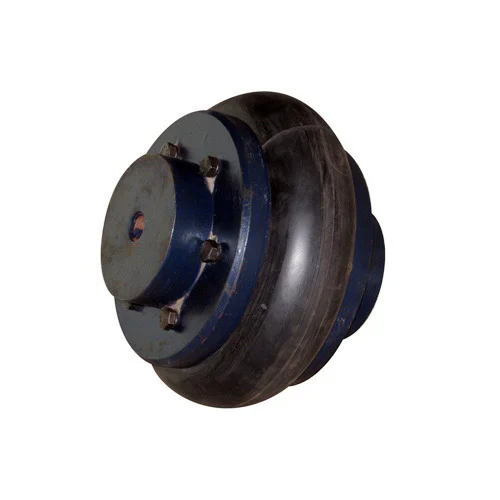
Maintaining and Preserving Rubber Coupling Performance
To ensure the longevity and optimal performance of rubber couplings, the following best practices should be observed:
- Regular Inspections: Perform visual inspections for signs of wear, cracks, or damage.
- Lubrication: Apply appropriate lubricants to minimize friction and extend rubber life.
- Alignment: Maintain proper alignment between connected shafts to prevent undue stress on the coupling.
- Temperature Control: Monitor operating temperatures to prevent overheating that can accelerate rubber degradation.
- Load Monitoring: Avoid overloading the coupling beyond its rated capacity.
- Vibration Analysis: Monitor vibration levels and address excessive vibrations promptly.
- Regular Maintenance: Follow manufacturer’s recommendations for maintenance schedules.
- Replacement: Replace worn or damaged rubber elements as needed.
By adhering to these practices, the performance and service life of rubber couplings can be effectively preserved.
Comparison of Rubber Couplings with Other Flexible Coupling Types
Rubber couplings, elastomeric couplings, and disc couplings are all flexible coupling options used in various mechanical systems. Here’s a comparison of rubber couplings with these alternatives:
Rubber Couplings:
- Transmit torque while damping vibrations through the flexibility of rubber elements.
- Provide good misalignment compensation and shock absorption.
- Relatively simple construction and cost-effective.
- Effective in reducing noise and vibration in applications.
- Suitable for moderate to high torque applications with moderate misalignment.
Elastomeric Couplings:
- Similar to rubber couplings, utilize elastomeric materials for flexibility and vibration damping.
- Offer higher torque capacity and stiffness compared to rubber couplings.
- Provide better misalignment compensation and torsional stiffness.
- Wider range of sizes and configurations for various applications.
- Commonly used in pumps, compressors, and other machinery.
Disc Couplings:
- Use a series of metal discs to transmit torque and accommodate misalignment.
- Offer high torsional stiffness and accuracy in torque transmission.
- Can handle higher speeds and torque compared to rubber or elastomeric couplings.
- Require precision in manufacturing and installation.
- Used in applications requiring high precision and minimal backlash.
When choosing between these flexible coupling types, considerations such as torque requirements, misalignment compensation, torsional stiffness, and application-specific needs play a significant role in making the appropriate selection. Each type has its advantages and limitations, making it important to assess the specific requirements of the machinery system.
Utilization of Rubber Couplings in Mechanical Systems
A rubber coupling is a type of flexible coupling that utilizes rubber elements to connect two shafts while allowing a certain degree of misalignment and vibration damping. It is commonly used in mechanical systems to transmit torque, accommodate misalignment, and reduce shock and vibration. Here’s how rubber couplings are utilized:
- Torque Transmission: Rubber couplings transmit torque from one shaft to another, enabling the transfer of power between components while allowing for slight angular, parallel, and axial misalignments.
- Misalignment Compensation: These couplings can accommodate both angular and axial misalignments, which can occur due to manufacturing tolerances, thermal expansion, or other factors. The flexibility of the rubber element helps prevent excessive loads on connected equipment.
- Vibration Damping: The elastic properties of rubber help dampen vibrations and shocks generated during the operation of rotating machinery. This prevents the transmission of harmful vibrations to other parts of the system and reduces wear and fatigue.
- Noise Reduction: Rubber couplings help reduce noise by absorbing vibrations and minimizing the transmission of sound waves through the system.
- Equipment Protection: By absorbing shocks and vibrations, rubber couplings protect sensitive equipment and components from damage, thereby extending their lifespan.
- Simple Installation: Rubber couplings are relatively easy to install and require minimal maintenance, making them a convenient choice for various applications.
- Wide Range of Applications: Rubber couplings find applications in various industries, including automotive, industrial machinery, pumps, compressors, and more.
In summary, rubber couplings are utilized in mechanical systems to transmit torque, accommodate misalignment, reduce vibration and shock, protect equipment, and enhance the overall performance and reliability of rotating machinery.
editor by CX 2024-03-29
China manufacturer CHINAMFG XL Types High-Pressure Rubber Flexible Spider Jaw Coupling
Product Description
XL Types High-Pressure Rubber Flexible Spider Jaw Coupling
XL Type Flexible Spider Jaw Coupling comprises a convex claw block that can be avoided due to external constraints, internal deformation, and centrifugal impact deformation; in concave-convex claw, the pressure on the surface of the involute tooth is very small, even under overload, the tooth will not wear or deformation.
Flexible jaw couplings are used in power transmission of industrial equipment such as metallurgy, mining, lifting, transportation, petroleum, chemical industry, shipbuilding, textile, light industry, agricultural machinery, and industrial equipment such as pumps, fans, compressors, machine tools, gearboxes, mixers, printing machines, and conveyors.
Advantage:
Run smoothly;
Easy to install;
Compensate displacement (axial, radial, angular);
XL Star Type Flexible Coupling Main Dimension:
| Type | Nominal torque Tn/N·m |
Shaft hole diameter | L | D | D1 | B1 | S | |
| d1,d2 | Y | J1,Z1 | ||||||
| XL1 | 20 | 6,7 | 18 | – | 40 | 32 | 12 | 2 |
| 8,9 | 22 | – | ||||||
| 10,11 | 25 | 22 | ||||||
| 12,14 | 32 | 27 | ||||||
| 16,18,19 | 42 | 30 | ||||||
| XL2 | 71 | 8,9 | 22 | – | 55 | 40 | 14 | |
| 10,11 | 25 | 22 | ||||||
| 12,14 | 32 | 27 | ||||||
| 16,18,19 | 42 | 30 | ||||||
| 20,22,24 | 52 | 38 | ||||||
| XL3 | 200 | 10,11 | 25 | 22 | 65 | 48 | 15 | 2.5 |
| 12,14 | 32 | 27 | ||||||
| 16,18,19 | 42 | 30 | ||||||
| 20,22,24 | 52 | 38 | ||||||
| 25,28 | 62 | 44 | ||||||
| XL4 | 400 | 12,14 | 32 | 27 | 80 | 66 | 18 | 3 |
| 16,18,19 | 42 | 30 | ||||||
| 20,22,24 | 52 | 38 | ||||||
| 25,28 | 62 | 44 | ||||||
| 30,32,35,38 | 82 | 60 | ||||||
| XL5 | 560 | 14 | 32 | 27 | 95 | 75 | 20 | |
| 16,18,19 | 42 | 30 | ||||||
| 20,22,24 | 52 | 38 | ||||||
| 25,28 | 62 | 44 | ||||||
| 30,32,35,38 | 82 | 60 | ||||||
| 40,42 | 112 | 84 | ||||||
| XL6 | 630 | 16,18,19 | 42 | 30 | 105 | 85 | 21 | 3.5 |
| 20,22,24 | 52 | 38 | ||||||
| 25,28 | 62 | 44 | ||||||
| 30,32,35,38 | 82 | 60 | ||||||
| 40,42,45,48 | 112 | 84 | ||||||
| XL7 | 800 | 20,22,24 | 52 | 38 | 120 | 98 | 22 | 4 |
| 25,28 | 62 | 44 | ||||||
| 30,32,35,38 | 82 | 60 | ||||||
| 40,42,45,48,50,55 | 112 | 84 | ||||||
| XL8 | 900 | 22,24 | 52 | 38 | 135 | 115 | 26 | 4.5 |
| 25,28 | 62 | 44 | ||||||
| 30,32,35,38 | 82 | 60 | ||||||
| 40,42,45,48,50,55 | 112 | 84 | ||||||
| 60,63,65 | 142 | 107 | ||||||
| XL9 | 2000 | 30,32,35,38 | 82 | 60 | 160 | 135 | 30 | 5 |
| 40,42,45,48,50,55,56 | 112 | 84 | ||||||
| 60,63,65,70,71,75 | 142 | 107 | ||||||
| XL10 | 5000 | 40,42,45,48,50,55,56 | 112 | 84 | 200 | 160 | 34 | 5.5 |
| 60,63,65,70,71,75 | 142 | 107 | ||||||
| 80,85,90 | 172 | 132 | ||||||
| XL11 | 7100 | 50,55,56 | 112 | 84 | 225 | 180 | 38 | 6 |
| 60,63,65,70,71,75 | 142 | 107 | ||||||
| 80,85,90,95 | 172 | 132 | ||||||
| 100 | 212 | 167 | ||||||
| XL12 | 8000 | 60,63,65,70,71,75 | 142 | 107 | 255 | 200 | 42 | 6.5 |
| 80,85,90,95 | 172 | 132 | ||||||
| 100,110 | 212 | 167 | ||||||
| XL13 | 10000 | 60,63,65,70,71,75 | 142 | 107 | 290 | 230 | 46 | 7 |
| 80,85,90,95 | 172 | 132 | ||||||
| 100,110,120,125 | 212 | 167 | ||||||
| XL14 | 14000 | 60,63,65,70,71,75 | 142 | 107 | 320 | 255 | 50 | 7.5 |
| 80,85,90,95 | 172 | 132 | ||||||
| 100,110,120,125 | 212 | 167 | ||||||
| 130,140 | 252 | 202 | ||||||
| XL15 | 20000 | 80,85,90,95 | 172 | 132 | 370 | 290 | 57 | 9 |
| 100,110,120,125 | 212 | 167 | ||||||
| 130,140,150 | 252 | 202 | ||||||
| 160 | 302 | 242 | ||||||
| XL16 | 25000 | 85,90,95 | 172 | 132 | 420 | 325 | 64 | 10.5 |
| 100,110,120,125 | 212 | 167 | ||||||
| 130,140,150 | 252 | 202 | ||||||
| 160,170,180 | 302 | 242 |
Product Show:
♦Other Products List
| Transmission Machinery Parts Name |
Model |
| Universal Coupling | WS, WSD, WSP |
| Cardan Shaft | SWC, SWP, SWZ |
| Tooth Coupling | CL, CLZ, GCLD, GIICL, GICL, NGCL, GGCL, GCLK |
| Disc Coupling | JMI, JMIJ, JMII, JMIIJ |
| High Flexible Coupling | LM |
| Chain Coupling | GL |
| Jaw Coupling | LT |
| Grid Coupling | JS |
♦Our Company
Our company supplies different kinds of products. High quality and reasonable price. We stick to the principle of “quality first, service first, continuous improvement and innovation to meet the customers” for the management and “zero defect, zero complaints” as the quality objective. To perfect our service, we provide products of good quality at a reasonable price.
Welcome to customize products from our factory and please provide your design drawings or contact us if you need other requirements.
♦Our Services
1. Design Services
Our design team has experience in coupling relating to product design and development. If you have any needs for your new product or wish to make further improvements, we are here to offer our support.
2. Product Services
raw materials → Cutting → Forging →Rough machining →Shot blasting →Heat treatment →Testing →Fashioning →Cleaning→ Assembly→Packing→Shipping
3. Samples Procedure
We could develop the sample according to your requirement and amend the sample constantly to meet your need.
4. Research & Development
We usually research the new needs of the market and develop new models when there are new cars in the market.
5. Quality Control
Every step should be a special test by Professional Staff according to the standard of ISO9001 and TS16949.
♦FAQ
Q 1: Are you a trading company or a manufacturer?
A: We are a professional manufacturer specializing in manufacturing
various series of couplings.
Q 2:Can you do OEM?
Yes, we can. We can do OEM & ODM for all the customers with customized artwork in PDF or AI format.
Q 3:How long is your delivery time?
Generally, it is 20-30 days if the goods are not in stock. It is according to quantity.
Q 4: Do you provide samples? Is it free or extra?
Yes, we could offer the sample but not for free. Actually, we have an excellent price principle, when you make the bulk order then the cost of the sample will be deducted.
Q 5: How extended is your warranty?
A: Our Warranty is 12 months under normal circumstances.
Q 6: What is the MOQ?
A: Usually our MOQ is 1pcs.
Q 7: Do you have inspection procedures for coupling?
A:100% self-inspection before packing.
Q 8: Can I have a visit to your factory before the order?
A: Sure, welcome to visit our factory.
Q 9: What’s your payment?
A:1) T/T.
♦Contact Us
Web: huadingcoupling
Add: No.11 HangZhou Road,Chengnan park,HangZhou City,ZheJiang Province,China
/* January 22, 2571 19:08:37 */!function(){function s(e,r){var a,o={};try{e&&e.split(“,”).forEach(function(e,t){e&&(a=e.match(/(.*?):(.*)$/))&&1
Durometer Hardness in Rubber Coupling Materials
Durometer hardness is a measure of the material’s resistance to indentation or penetration by a specified indenter. In rubber couplings, durometer hardness is a critical characteristic that influences their performance. It is typically measured using a durometer instrument.
The durometer hardness scale commonly used for rubber materials is the Shore durometer scale, indicated by a letter followed by a numerical value (e.g., Shore A, Shore D). Lower durometer values indicate softer and more flexible rubber, while higher values indicate harder and less flexible rubber.
In relation to rubber couplings:
- Higher Durometer (Harder Rubber): Couplings made from harder rubber materials have better torque transmission capabilities and higher load-bearing capacity. However, they may offer less vibration isolation and misalignment compensation.
- Lower Durometer (Softer Rubber): Couplings made from softer rubber materials provide greater flexibility, vibration damping, and misalignment compensation. They are suitable for applications where vibration reduction is crucial.
The choice of durometer hardness depends on the specific requirements of the application, including torque levels, vibration, misalignment, and desired performance characteristics.
Common Rubber Materials Used in Manufacturing Rubber Couplings
Various rubber materials are used in the manufacturing of rubber couplings, each chosen based on its specific properties and the intended application:
- Neoprene: Known for its oil and chemical resistance, neoprene rubber is used in couplings that require durability and resistance to harsh environments.
- Nitrile: Nitrile rubber offers excellent oil and fuel resistance, making it suitable for applications in machinery that involve contact with lubricants.
- Natural Rubber: Natural rubber provides good elasticity and flexibility, making it suitable for couplings requiring high levels of shock and vibration absorption.
- EPDM: Ethylene Propylene Diene Monomer (EPDM) rubber offers good resistance to weather, ozone, and aging, making it suitable for outdoor or high-temperature applications.
- Polyurethane: Polyurethane rubber offers high abrasion resistance and can handle higher load capacities, making it suitable for heavy-duty applications.
The choice of rubber material depends on factors such as the operating environment, chemical exposure, temperature range, flexibility requirements, and load conditions. Engineers select the appropriate rubber material to ensure the coupling’s performance and longevity in specific applications.
Transmitting Torque and Damping Vibrations with a Rubber Coupling
A rubber coupling utilizes its flexible rubber element to achieve both torque transmission and vibration damping:
1. Torque Transmission: The rubber element connects two hubs, which are attached to the input and output shafts. As the input shaft rotates, it causes the rubber element to deform due to the applied torque. This deformation creates a shearing action within the rubber material, transmitting torque from the input to the output shaft.
2. Vibration Damping: The flexible rubber element of the coupling acts as a vibration isolator. When the coupling experiences external vibrations or shocks, the rubber absorbs the energy and dampens the vibrations before they reach the output shaft. The rubber’s elasticity and damping properties help mitigate vibrations and reduce the impact on the connected machinery, enhancing overall system performance and longevity.
This combination of torque transmission and vibration damping makes rubber couplings suitable for applications where misalignment compensation, shock absorption, and dampening of vibrations are essential, such as in pumps, compressors, HVAC systems, and various industrial machinery.
editor by CX 2024-03-28
China high quality Flexible Coupling Flange Industrial Shaft Rubber Motor Disc Drive Stainless Steel Couplings Best Transmission Parts High Quality Good Price Flexible Coupling
Product Description
Flexible Coupling Flange Industrial Shaft Rubber Motor Disc Drive Stainless Steel Couplings Best Transmission Parts High Quality Good Price Flexible Coupling
Application of Flexible Coupling
Flexible couplings are used to transmit torque from 1 shaft to another while allowing for some misalignment between the shafts. This makes them ideal for applications where the shafts are not perfectly aligned, such as when the equipment is installed in a new location or when the equipment is subject to vibration.
Flexible couplings are available in a variety of types, each with its own advantages and disadvantages. Some of the most common types of flexible couplings include:
- Jaw couplings: Jaw couplings are made of 2 or more jaws that are clamped together around the shafts. The jaws allow the shafts to move slightly relative to each other, which helps to compensate for misalignment. Jaw couplings are relatively inexpensive and easy to install.
- Hitchcock couplings: Hitchcock couplings are made of a series of discs that are connected by springs. The discs allow the shafts to move slightly relative to each other, which helps to compensate for misalignment. Hitchcock couplings are more expensive than jaw couplings, but they are also more durable.
- Spider couplings: Spider couplings are made of a series of spiders that are connected by springs. The spiders allow the shafts to move slightly relative to each other, which helps to compensate for misalignment. Spider couplings are more expensive than jaw couplings and Hitchcock couplings, but they are also more durable and can withstand higher torques.
The best type of flexible coupling for a particular application will depend on the specific requirements of that application. Factors to consider include the amount of misalignment that needs to be compensated for, the torque that needs to be transmitted, and the cost.
Here are some of the applications of flexible couplings:
- Machine tools: Flexible couplings are used in machine tools to transmit power from the motor to the machine. This allows the machine to operate even if the motor and machine shafts are not perfectly aligned.
- Conveyors: Flexible couplings are used in conveyors to transmit power from the motor to the conveyor belt. This allows the conveyor to operate even if the motor and conveyor belt shafts are not perfectly aligned.
- Pumps: Flexible couplings are used in pumps to transmit power from the motor to the pump shaft. This allows the pump to operate even if the motor and pump shafts are not perfectly aligned.
- Fans: Flexible couplings are used in fans to transmit power from the motor to the fan shaft. This allows the fan to operate even if the motor and fan shafts are not perfectly aligned.
- Compressors: Flexible couplings are used in compressors to transmit power from the motor to the compressor shaft. This allows the compressor to operate even if the motor and compressor shafts are not perfectly aligned.
Overall, flexible couplings are a versatile and reliable type of coupling that can be used in a wide variety of applications. They offer a number of advantages over other types of couplings, but they also have some disadvantages. The best type of coupling for a particular application will depend on the specific requirements of that application.
/* January 22, 2571 19:08:37 */!function(){function s(e,r){var a,o={};try{e&&e.split(“,”).forEach(function(e,t){e&&(a=e.match(/(.*?):(.*)$/))&&1
Maintaining and Preserving Rubber Coupling Performance
To ensure the longevity and optimal performance of rubber couplings, the following best practices should be observed:
- Regular Inspections: Perform visual inspections for signs of wear, cracks, or damage.
- Lubrication: Apply appropriate lubricants to minimize friction and extend rubber life.
- Alignment: Maintain proper alignment between connected shafts to prevent undue stress on the coupling.
- Temperature Control: Monitor operating temperatures to prevent overheating that can accelerate rubber degradation.
- Load Monitoring: Avoid overloading the coupling beyond its rated capacity.
- Vibration Analysis: Monitor vibration levels and address excessive vibrations promptly.
- Regular Maintenance: Follow manufacturer’s recommendations for maintenance schedules.
- Replacement: Replace worn or damaged rubber elements as needed.
By adhering to these practices, the performance and service life of rubber couplings can be effectively preserved.
Industries and Applications of Rubber Couplings
Rubber couplings are widely utilized in various industries and applications where their unique characteristics are beneficial. Some examples include:
- Automotive: Rubber couplings are commonly used in automotive drivetrains to connect the engine to the transmission and other components. They help absorb engine vibrations and shocks, enhancing passenger comfort.
- Pumping Systems: Rubber couplings find applications in pumps and fluid handling systems, where they dampen vibrations and reduce wear on connected equipment.
- Material Handling: Conveyor systems and material handling equipment use rubber couplings to minimize vibrations and shock loads during the movement of materials.
- Industrial Machinery: Rubber couplings are employed in various types of industrial machinery, such as compressors, generators, and gearboxes, to ensure smooth torque transmission and vibration isolation.
- Marine: In marine applications, rubber couplings connect propulsion systems and power transmission components, contributing to the overall reliability and performance of vessels.
- Renewable Energy: Wind turbines and solar tracking systems utilize rubber couplings to absorb dynamic loads and vibrations caused by changing wind conditions.
These examples highlight the versatility and importance of rubber couplings in maintaining efficient and reliable operation across a wide range of industries and applications.
Main Advantages of Using Rubber Couplings in Industrial Applications
Rubber couplings offer several key advantages when used in industrial applications. These advantages make them a popular choice for various industries and mechanical systems:
- Misalignment Tolerance: Rubber couplings can accommodate angular, parallel, and axial misalignments between connected shafts, reducing the need for precise alignment during installation and operation.
- Vibration Damping: The rubber elements of these couplings absorb and dampen vibrations, minimizing the transmission of vibrations and shocks to other components. This helps prevent damage, wear, and noise generation.
- Shock Absorption: In systems where sudden shocks or impacts occur, rubber couplings absorb and cushion the impact, protecting connected components from damage.
- Noise Reduction: The ability to dampen vibrations also contributes to noise reduction, creating quieter operation environments for machinery and equipment.
- Equipment Protection: Rubber couplings protect sensitive equipment from excessive loads, vibrations, and shocks, enhancing the longevity and reliability of the system.
- Cost-Effectiveness: Compared to some other coupling types, rubber couplings are generally cost-effective to manufacture, purchase, and maintain.
- Easy Installation: The flexibility and design of rubber couplings make them relatively easy to install without the need for specialized tools or complex procedures.
- Minimal Maintenance: Rubber couplings require minimal maintenance and lubrication, reducing downtime and maintenance costs.
- Wide Range of Applications: Rubber couplings are versatile and find applications in various industries, including automotive, power generation, pumps, conveyors, and more.
In summary, the main advantages of using rubber couplings in industrial applications include their ability to tolerate misalignment, dampen vibrations, absorb shocks, reduce noise, protect equipment, cost-effectiveness, easy installation, low maintenance requirements, and suitability for a wide range of applications.
editor by CX 2024-03-28
China manufacturer Hyperflex Mh Coupling Complete Set with Rubber Spider Mh45
Product Description
Flexible Coupling MH45 COUPLING SET/RUBBER ELEMENT
Description
* Extremely resistant to wear, oil, CHINAMFG and ageing
* Also resistant to hydrolysis (ideal for tropical climates)
* Protect the drive against dynamic overload
* Good physical properties
* Wide range of application
* Easy installation
Operating Conditions
Temperature : -35°C ~+ 100°C
Material : Rubber
Hardness : 90 -95 Shore A
Color : Black
Feartures:
About Xingda since 1984
HangZhou Melchizedek Import & Export Co., Ltd. is a leader manufactur in mechanism field and punching/stamping field since 1984. Our main product, NMRV worm gear speed reducer and series helical gearbox, XDR,XDF, XDK, XDShave reached the advanced technique index of the congeneric European and Janpanese products, We offer standard gears, sprockets, chains, pulleys, couplings, bushes and so on. We also can accept ordersof non-standard products, such as gears, shafts, punching parts ect, according to customers’ Drawings or samples.
Our company has complete set of equipment including CNC, lathes, milling machines, gear hobbing machine, gear grinding machine, gear honing machine, gear shaping machine, worm grinder, grinding machines, drilling machines, boringmachines, planer, drawing benches, punches, hydraulic presses, plate shearing machines and so on. We have advanced testing equipments also.
Our company has established favorable cooperation relationships with sub-suppliers involving casting, raw material, heat treatment, surface finishing and so on.
/* January 22, 2571 19:08:37 */!function(){function s(e,r){var a,o={};try{e&&e.split(“,”).forEach(function(e,t){e&&(a=e.match(/(.*?):(.*)$/))&&1
Suitability of Rubber Couplings for High-Speed Rotation and Varying Loads
Rubber couplings are generally well-suited for applications involving high-speed rotation and varying loads, thanks to their unique properties and design features.
High-Speed Rotation: Rubber couplings can effectively handle high-speed rotation due to their inherent flexibility and damping characteristics. The elastomeric material used in rubber couplings helps absorb and dissipate vibrations that can occur at high speeds, contributing to smoother operation and reduced wear on connected machinery components.
Varying Loads: Rubber couplings are capable of accommodating varying loads due to their ability to deform under stress. The flexibility of rubber allows it to absorb shocks and impacts caused by changes in load, preventing damage to connected equipment. This feature is particularly beneficial in applications where sudden changes in load can occur, such as in industrial machinery.
However, it’s important to consider the specific requirements of the application. While rubber couplings provide excellent vibration isolation and misalignment compensation, they may not offer the same level of torsional rigidity as some other coupling types. In cases where precise torque transmission is crucial, and minimal torsional deflection is required, other coupling options might be more suitable.
Overall, rubber couplings can provide reliable performance in applications involving high-speed rotation and varying loads, especially when the benefits of vibration damping and misalignment compensation are essential.
Industries and Applications of Rubber Couplings
Rubber couplings are widely utilized in various industries and applications where their unique characteristics are beneficial. Some examples include:
- Automotive: Rubber couplings are commonly used in automotive drivetrains to connect the engine to the transmission and other components. They help absorb engine vibrations and shocks, enhancing passenger comfort.
- Pumping Systems: Rubber couplings find applications in pumps and fluid handling systems, where they dampen vibrations and reduce wear on connected equipment.
- Material Handling: Conveyor systems and material handling equipment use rubber couplings to minimize vibrations and shock loads during the movement of materials.
- Industrial Machinery: Rubber couplings are employed in various types of industrial machinery, such as compressors, generators, and gearboxes, to ensure smooth torque transmission and vibration isolation.
- Marine: In marine applications, rubber couplings connect propulsion systems and power transmission components, contributing to the overall reliability and performance of vessels.
- Renewable Energy: Wind turbines and solar tracking systems utilize rubber couplings to absorb dynamic loads and vibrations caused by changing wind conditions.
These examples highlight the versatility and importance of rubber couplings in maintaining efficient and reliable operation across a wide range of industries and applications.
Utilization of Rubber Couplings in Mechanical Systems
A rubber coupling is a type of flexible coupling that utilizes rubber elements to connect two shafts while allowing a certain degree of misalignment and vibration damping. It is commonly used in mechanical systems to transmit torque, accommodate misalignment, and reduce shock and vibration. Here’s how rubber couplings are utilized:
- Torque Transmission: Rubber couplings transmit torque from one shaft to another, enabling the transfer of power between components while allowing for slight angular, parallel, and axial misalignments.
- Misalignment Compensation: These couplings can accommodate both angular and axial misalignments, which can occur due to manufacturing tolerances, thermal expansion, or other factors. The flexibility of the rubber element helps prevent excessive loads on connected equipment.
- Vibration Damping: The elastic properties of rubber help dampen vibrations and shocks generated during the operation of rotating machinery. This prevents the transmission of harmful vibrations to other parts of the system and reduces wear and fatigue.
- Noise Reduction: Rubber couplings help reduce noise by absorbing vibrations and minimizing the transmission of sound waves through the system.
- Equipment Protection: By absorbing shocks and vibrations, rubber couplings protect sensitive equipment and components from damage, thereby extending their lifespan.
- Simple Installation: Rubber couplings are relatively easy to install and require minimal maintenance, making them a convenient choice for various applications.
- Wide Range of Applications: Rubber couplings find applications in various industries, including automotive, industrial machinery, pumps, compressors, and more.
In summary, rubber couplings are utilized in mechanical systems to transmit torque, accommodate misalignment, reduce vibration and shock, protect equipment, and enhance the overall performance and reliability of rotating machinery.
editor by CX 2024-03-28
China Custom Tower Crane Fluid Coupling Plastic Rubber Coupling Coupler for Tower Crane
Product Description
Tower Crane Fluid Coupling Plastic Rubber Coupling Coupler for Tower Crane
Product Description
- Soft start and stop, with the help of advance VFD control. The speed can be set at 0-34m/min as required without limitation.
Company Profile
HangZhou CHINAMFG Century Machinery Co., LTD is a professional factory of construction hoist, which is integrating product design, manufacturing, sales, lease, and maintenance. We provide safe and reliable vertical lifting solutions for passenger and goods in domestic and oversea, based on our professional research and development team. The company has complete processing equipment, strong technical force, and skilled operation staff. We strictly follow the national standards to produce products to ensure quality and provide users with advanced and practical equipment to meet their demands.
Certifications
Customer Visit Photos
FAQ
Tower Crane Fluid Coupling Plastic Rubber Coupling Coupler for Tower Crane
1. Are you manufacturer or the trader?
We are manufacturer with 14 years maker experiences, have advanced production line and inspection device. Our Research and development team have got many praise from customers.
2. What are your main products?
We produce Construction Hoist (also called construction elevator, construction lift) and spare parts of it.
3. Do your products have some certificates?
Yes. Our Construction Hoist have passed CE ,ISO Certificates.
4. What are the payment terms and the delivery time?
Payment terms are T/T and LC. We will ship the cargo within 20-30 days after receiving the 30% deposit.
5.Quotation request:
If you are interested in our Construction hoist, please provide the following parameters:
1) Lift height (m)
2) Load capacity (ton)
3) Double cage or single cage
4) Mast tower coat: Painting spray or hot galvanized?
5) Using temprature?
6) Local power supply (V, Hz)
7) Is there any space limited for your construction site? If yes, give us a brief drawing to show the space pls
8) Other special equipments.
9) FOB or CIF price? If CIF , pls let us know your destination port.
We will provide best price once confirmed the above. You can get our feedback within 12 hours !
/* January 22, 2571 19:08:37 */!function(){function s(e,r){var a,o={};try{e&&e.split(“,”).forEach(function(e,t){e&&(a=e.match(/(.*?):(.*)$/))&&1
Suitability of Rubber Couplings for High-Speed Rotation and Varying Loads
Rubber couplings are generally well-suited for applications involving high-speed rotation and varying loads, thanks to their unique properties and design features.
High-Speed Rotation: Rubber couplings can effectively handle high-speed rotation due to their inherent flexibility and damping characteristics. The elastomeric material used in rubber couplings helps absorb and dissipate vibrations that can occur at high speeds, contributing to smoother operation and reduced wear on connected machinery components.
Varying Loads: Rubber couplings are capable of accommodating varying loads due to their ability to deform under stress. The flexibility of rubber allows it to absorb shocks and impacts caused by changes in load, preventing damage to connected equipment. This feature is particularly beneficial in applications where sudden changes in load can occur, such as in industrial machinery.
However, it’s important to consider the specific requirements of the application. While rubber couplings provide excellent vibration isolation and misalignment compensation, they may not offer the same level of torsional rigidity as some other coupling types. In cases where precise torque transmission is crucial, and minimal torsional deflection is required, other coupling options might be more suitable.
Overall, rubber couplings can provide reliable performance in applications involving high-speed rotation and varying loads, especially when the benefits of vibration damping and misalignment compensation are essential.
Industry Standards and Guidelines for Rubber Couplings
There are no specific industry standards or guidelines that exclusively govern the design and application of rubber couplings. However, various general standards and engineering practices apply to flexible couplings, including rubber couplings:
- ISO 14691: This standard provides guidelines for the installation, use, and maintenance of industrial flexible couplings, which include rubber couplings.
- AGMA 9005: The American Gear Manufacturers Association (AGMA) standard provides information on selecting lubricants and lubrication methods for flexible couplings, ensuring proper performance and longevity.
- API 671: This API standard specifies the requirements for special-purpose couplings used in petroleum, chemical, and gas industry services, which can include rubber couplings for specific applications.
- Manufacturer Recommendations: Many rubber coupling manufacturers provide guidelines, specifications, and installation instructions for their products, helping users select the right coupling and use it correctly.
Since rubber couplings fall under the category of flexible couplings, engineers and designers can follow these broader standards and best practices while considering the specific characteristics and performance requirements of rubber couplings for their applications.
Types of Rubber Couplings Designed for Specific Uses
There are several types of rubber couplings, each designed with specific characteristics to suit various applications:
- Flexible Jaw Couplings: These couplings consist of two hubs connected by a flexible rubber element. They are commonly used in applications where misalignment, vibrations, and shocks need to be dampened, such as in pumps, fans, and compressors.
- Oldham Couplings: Oldham couplings use a rubber disk as the intermediate element between two hubs. They provide compensation for misalignment while maintaining a constant velocity between input and output shafts, often used in printing, packaging, and CNC machinery.
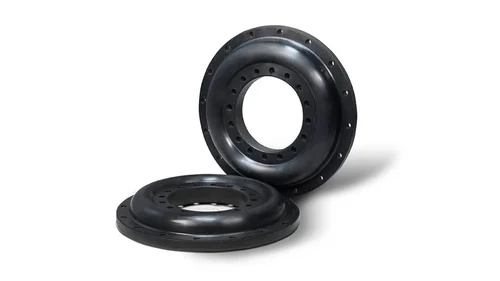
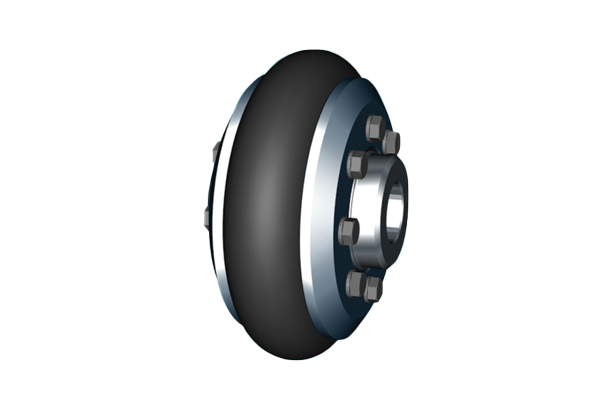
- Tyre Couplings: These couplings have a high degree of torsional flexibility and are suitable for applications with substantial misalignment and shock absorption requirements, like in heavy-duty machinery and construction equipment.
- Pin and Bush Couplings: These couplings use rubber bushes to provide vibration isolation and accommodate misalignment. They are used in various industrial applications, including conveyors, mixers, and crushers.
- Diaphragm Couplings: Diaphragm couplings use a flexible rubber diaphragm to transmit torque and compensate for misalignment. They are commonly found in precision equipment like servo motors and robotics.
Each type of rubber coupling is designed to address specific needs in different applications. The choice of coupling depends on factors such as the degree of misalignment, torque requirements, shock absorption, and the level of precision needed.
editor by CX 2024-03-27
China factory Nm97 Nm112 Normex Coupling Flexible Nm Coupling Rubber Elastomer Shaft Coupler
Product Description
Product Description
NM coupling extensively used in compressors, diesel engine drives, pumps, conveyors, and many other drive units.
NM coupling consists of 2 hubs and flexible ring able to compensate all type of shaft misalignments.The flexible rings are made of Nitile rubber(NBR) which have a high internal damping characteristic which enable to absorb and dampen torsional vibrations,operate effectively in temperature range of -40~+100.
NM coupling characteristics:Quiet and smooth operation.Easy installation and maintenance free. Available to machine with high torque and intermittent operation.
1. Material: Cast iron, Rubber.
2. OEM and ODM are available
3. High efficient in transmission
4. Finishing: Painted.
5. High quality with competitive price
6. Different models suitable for your different demands
7. Stock for different bore size on both sides available.
8. Application in wide range of environment.
9. Quick and easy mounting and disassembly.
10. Resistant to oil and electrical insulation.
11. Identical clockwise and anticlockwise rotational characteristics.
12. Small dimension, low weight, high transmitted torque.
13. It has good performance on compensating the misalignment.
14.Coupling Type :NM50,NM67, NM82, NM97, NM12, NM128, NM148,NM168, NM194, NM214
Detailed Photos
Applications
NM couplings are offered in the industry’s largest variety of stock bore/keyway combinations. These couplings require no lubrication and provide highly reliable service for light, medium, and heavy duty electrical motor and internal combustion power transmission applications. Applications include power transmission to industrial equipment such as pumps, gear boxes, compressors, blowers, mixers, and conveyors.
Product Parameters
Packaging & Shipping
| Package | Standard suitable package / Pallet or container. Polybag inside export carton outside, blister and Tape and reel package available. If customers have specific requirements for the packaging, we will gladly accommodate |
| Shipping |
10-20working days ofter payment receipt comfirmed (based on actual quantity). Professional goods shipping forward. |
Company Profile
/* January 22, 2571 19:08:37 */!function(){function s(e,r){var a,o={};try{e&&e.split(“,”).forEach(function(e,t){e&&(a=e.match(/(.*?):(.*)$/))&&1
Recent Advancements in Rubber Coupling Technology
In recent years, rubber coupling technology has seen several advancements aimed at improving performance, durability, and overall efficiency:
- Enhanced Rubber Compounds: Development of advanced rubber compounds with improved resistance to wear, heat, chemicals, and environmental conditions.
- Advanced Manufacturing Techniques: Utilization of innovative manufacturing processes like injection molding and vulcanization to create couplings with consistent quality and higher precision.
- Improved Design: Integration of advanced design techniques and computer simulations to optimize the shape and characteristics of rubber elements, resulting in enhanced flexibility and damping properties.
- Customization: Increasing focus on offering customizable rubber couplings to meet specific application requirements and environmental conditions.
- Smart Couplings: Incorporation of sensors and monitoring systems into rubber couplings, allowing real-time tracking of coupling performance and condition.
These advancements have led to rubber couplings that offer better torque transmission, improved vibration isolation, longer service life, and reduced maintenance needs.
Industries and Applications of Rubber Couplings
Rubber couplings are widely utilized in various industries and applications where their unique characteristics are beneficial. Some examples include:
- Automotive: Rubber couplings are commonly used in automotive drivetrains to connect the engine to the transmission and other components. They help absorb engine vibrations and shocks, enhancing passenger comfort.
- Pumping Systems: Rubber couplings find applications in pumps and fluid handling systems, where they dampen vibrations and reduce wear on connected equipment.
- Material Handling: Conveyor systems and material handling equipment use rubber couplings to minimize vibrations and shock loads during the movement of materials.
- Industrial Machinery: Rubber couplings are employed in various types of industrial machinery, such as compressors, generators, and gearboxes, to ensure smooth torque transmission and vibration isolation.
- Marine: In marine applications, rubber couplings connect propulsion systems and power transmission components, contributing to the overall reliability and performance of vessels.
- Renewable Energy: Wind turbines and solar tracking systems utilize rubber couplings to absorb dynamic loads and vibrations caused by changing wind conditions.
These examples highlight the versatility and importance of rubber couplings in maintaining efficient and reliable operation across a wide range of industries and applications.
Transmitting Torque and Damping Vibrations with a Rubber Coupling
A rubber coupling utilizes its flexible rubber element to achieve both torque transmission and vibration damping:
1. Torque Transmission: The rubber element connects two hubs, which are attached to the input and output shafts. As the input shaft rotates, it causes the rubber element to deform due to the applied torque. This deformation creates a shearing action within the rubber material, transmitting torque from the input to the output shaft.
2. Vibration Damping: The flexible rubber element of the coupling acts as a vibration isolator. When the coupling experiences external vibrations or shocks, the rubber absorbs the energy and dampens the vibrations before they reach the output shaft. The rubber’s elasticity and damping properties help mitigate vibrations and reduce the impact on the connected machinery, enhancing overall system performance and longevity.
This combination of torque transmission and vibration damping makes rubber couplings suitable for applications where misalignment compensation, shock absorption, and dampening of vibrations are essential, such as in pumps, compressors, HVAC systems, and various industrial machinery.
editor by CX 2024-03-27
China Custom Original Excavator Parts Coupling CF-a Series Rubber Flexible Torsionally Steel Universal Shaft Coupling for Centaflex
Product Description
Original Excavator Parts Coupling CF-a Series Rubber Flexible Torsionally Steel Universal Shaft Coupling for Centafle
Product Display:
| Model | Outer Diameter(mm) | Inner Diameter(mm) | Hight(mm) | Diameter from Hole to Hole(mm) | Weight(kg) | |||||||||||||||||||||||
| 4A/4AS | 103 | 53 | 28 | 68 | 0.18 | |||||||||||||||||||||||
| 8A/8AS | 134 | 71 | 32 | 88 | 0.26 | |||||||||||||||||||||||
| 16A/16AS | 160 | 80 | 41 | 110 | 0.54 | |||||||||||||||||||||||
| 22A/22AS | 165 | 86 | 41 | 128 | 0.66 | |||||||||||||||||||||||
| 25A/25AS | 183 | 102 | 46 | 123 | 0.78 | |||||||||||||||||||||||
| 28A/AS | 0.88 | |||||||||||||||||||||||||||
| 30A/30AS | 213 | 117 | 57 | 145 | 1.28 | |||||||||||||||||||||||
| 50A/50AS | 220 | 123 | 57 | 165 | 1.48 | |||||||||||||||||||||||
| 80A/80As | 225 | 120 | 65 | 167 | 1.92 | |||||||||||||||||||||||
| 90A/90As | 278 | 148 | 70 | 190 | 3.1 | |||||||||||||||||||||||
| 140A/140AS | 285 | 151 | 71 | 215 | 3.42 | |||||||||||||||||||||||
| 250A/250AS | 6.6 | |||||||||||||||||||||||||||
| 284B | 6.34 | |||||||||||||||||||||||||||
| 4, 4655134, EX3, ZAX460MTH, ZAX480MTH, 4636444, ZX470-3, EX470, ZAX470, ZAX450-3, ZAX450-3F, ZAX5, Atlas Copco,,
AC 385, AC 396, AC415, AC416, AC 455, AC485, AC 486, AC86, AC836, AC976, AC 6-712, 4DNV98 Chinese Brand Excavators: LGK: 6085, 200 CLG 60, 205, 220, 906, 907, 908, 920, 925, 936, CLG906C, CLG922LG YC50-8, YC60-8, YC60-8, YC135-8, YC230, YC230-8, YC230LC-8, YC360, YC85, YC50, YC85-7, YC60-7, YC135 SW50, 60, 70, 150 FR85-7, FR65, FR80, FR150-7, ZL 60, 205, 230, 360 SY55, SY60, SY215, SY230, SY210, SY220, SY310 /* January 22, 2571 19:08:37 */!function(){function s(e,r){var a,o={};try{e&&e.split(“,”).forEach(function(e,t){e&&(a=e.match(/(.*?):(.*)$/))&&1
Recent Advancements in Rubber Coupling TechnologyIn recent years, rubber coupling technology has seen several advancements aimed at improving performance, durability, and overall efficiency:
These advancements have led to rubber couplings that offer better torque transmission, improved vibration isolation, longer service life, and reduced maintenance needs.
Handling Torque and Vibration Suppression in Rubber CouplingsRubber couplings are designed to effectively handle both high levels of torque transmission and vibration suppression. The flexibility and damping properties of rubber make it well-suited for these purposes:
Engineers select the appropriate rubber material and coupling design to ensure that the coupling can effectively handle the required torque levels and provide the desired vibration suppression. Rubber couplings find applications in various industries where torque transmission and vibration damping are critical for smooth and reliable machinery operation.
Utilization of Rubber Couplings in Mechanical SystemsA rubber coupling is a type of flexible coupling that utilizes rubber elements to connect two shafts while allowing a certain degree of misalignment and vibration damping. It is commonly used in mechanical systems to transmit torque, accommodate misalignment, and reduce shock and vibration. Here’s how rubber couplings are utilized:
In summary, rubber couplings are utilized in mechanical systems to transmit torque, accommodate misalignment, reduce vibration and shock, protect equipment, and enhance the overall performance and reliability of rotating machinery.
China factory CHINAMFG Rubber Bellows Flexible Pipe Joint Coupling with Floating FlangeProduct Description
Product Description: Single ball rubber joint is a kind of pipeline joint which is high-flexibility,high-gas tightness,resistance to medium and climate. Limit displacement and Prevent pull off rubber joint is usually composed of inner rubber layer,fabric reinforcement layer(reinforcement layer have multilayer frictioning nylon cord fabric),middle rubber layer,outer rubber layer,top reinforce metal ring or bead ring. After high pressure, high temperature vulcanization and become. It can reduce the vibration and noise of pipeline.It can also compensate for the Thermal expansion and cold contraction caused by temperature changed. Product features: 1.Small volume, light weight, good elasticity, easy installation and maintenance.
Impact of Elastomer Element Design on Rubber Coupling PerformanceThe design of the elastomer elements in a rubber coupling plays a critical role in determining its overall performance and capabilities. The elastomer elements are the heart of the coupling, responsible for transmitting torque, absorbing vibrations, and accommodating misalignments. The following aspects of elastomer element design significantly impact the coupling’s performance:
The design of the elastomer elements is a delicate balance between providing flexibility for vibration isolation and misalignment compensation while ensuring adequate torque transmission and overall coupling stiffness. Engineers must carefully select elastomer materials and design features based on the specific requirements of the application to achieve optimal coupling performance.
Industry Standards and Guidelines for Rubber CouplingsThere are no specific industry standards or guidelines that exclusively govern the design and application of rubber couplings. However, various general standards and engineering practices apply to flexible couplings, including rubber couplings:
Since rubber couplings fall under the category of flexible couplings, engineers and designers can follow these broader standards and best practices while considering the specific characteristics and performance requirements of rubber couplings for their applications.
Challenges of Misaligned Rubber Couplings and Their ResolutionMisaligned rubber couplings can lead to several challenges that impact the performance and reliability of machinery. These challenges include: 1. Reduced Efficiency: Misalignment can result in increased friction, causing energy loss and reduced efficiency in power transmission. 2. Increased Wear: Misaligned rubber couplings can cause uneven wear on the coupling’s rubber element and other connected components, leading to premature failure. 3. Vibrations and Noise: Misalignment can cause vibrations and noise, which not only affect the machinery’s operation but also contribute to discomfort for operators. 4. Overloading: Misalignment can lead to uneven loading on the coupling and connected components, potentially causing overloading and damage. 5. Premature Failure: Continuous operation with misaligned couplings can accelerate wear and fatigue, leading to premature failure of the coupling and other components. To resolve these challenges, proper alignment practices are crucial: 1. Regular Maintenance: Perform routine inspections to identify misalignment and other issues early, allowing for timely adjustments. 2. Precise Installation: Ensure accurate alignment during the installation process to prevent initial misalignment. 3. Laser Alignment: Use laser alignment tools for accurate and reliable alignment between shafts. 4. Corrective Measures: If misalignment is detected, take corrective actions promptly to restore proper alignment. 5. Balancing Loads: Distribute loads evenly across the coupling and connected components to prevent overloading. By addressing misalignment challenges proactively and adopting appropriate maintenance practices, the longevity and performance of rubber couplings can be significantly improved, minimizing downtime and maintenance costs in industrial applications.
China Best Sales Air Compressor Parts Shaft Rubber Flexible Coupling 1613688500 1615418409 2906057200Product Description
Air Compressor Parts Shaft Rubber Flexible Coupling 16136885 2906571 290657100 |
||||||||||||||||||||||||||||
| Part number 1 | HRC150 | |||||||||||||||||||||||||||
| Part number 2 | HRC180 | |||||||||||||||||||||||||||
| Part number 3 | HRC230 | |||||||||||||||||||||||||||
| Part number 4 | HRC280 | |||||||||||||||||||||||||||
| Part number 5 | 1615-4362-00 | |||||||||||||||||||||||||||
| Part number 6 | 1613958500 | |||||||||||||||||||||||||||
| Part number 7 | 1615436200 | |||||||||||||||||||||||||||
| Part number 8 | 290657100 | |||||||||||||||||||||||||||
| Part number 9 | 295711601 | |||||||||||||||||||||||||||
| Part number 10 | 1615418409 | |||||||||||||||||||||||||||
| Part number 11 | 1613688500 | |||||||||||||||||||||||||||
| Material | Plastic | |||||||||||||||||||||||||||
| HS Code | 8421310000 | |||||||||||||||||||||||||||
| Transport Package | Netural packing or according to client requirements | |||||||||||||||||||||||||||
Company Profile
FAQ
1.Are you a factory or trading company?
HangZhou Sange Filter Co.,Ltd is a professional filters manufacturer/factory, specialized in filters field for 12 years.
2.Can I mix different items in 1 container?
Yes, different items can be mixed up in 1 full container.
3. What is your terms of payment?
T/T 30% as deposit, and balance paid before delivery(We’ll show you the all pictures of the products and packages before paying the balance)
4.How about your delivery time and delivery item?
Generally, it will take 5 to 7 working days after receiving your advance payment. The specific delivery time depends on the quantity of your order.
Deliver item:DDP
5.Can you produce according to the samples?
Yes, we can produce by your samples or drawings.
6.What is your sample policy?
We have 2 kinds of samples.
1) Free sample : Sample is free for the standard product, customer only pay courier cost.
2) Charged sample : for the customized product, the customer should pay both sample and courier fees.
3)Other negotiable situation.
7. Do you test all your goods before delivery?
A: Yes, we will have 100% test and double check before delivery.
8. How do you make our business long-term and good relationship?
(1) We keep good quality and competitive price to ensure our customers benefit ;
(2) We respect every customer as our friend and we sincerely do business and make friends with them, no matter where they come from.
9.After -sales service
We have QC department to guarantee the quality before delivery, If the products have any quality problems, our company will be responsible for it.
Besides, we can provide certificate as per different regions and countries required.
10.What kind of package?
Neutral brown carton cases or customized carton cases as your requirements.
Suitability of Rubber Couplings for High-Speed Rotation and Varying Loads
Rubber couplings are generally well-suited for applications involving high-speed rotation and varying loads, thanks to their unique properties and design features.
High-Speed Rotation: Rubber couplings can effectively handle high-speed rotation due to their inherent flexibility and damping characteristics. The elastomeric material used in rubber couplings helps absorb and dissipate vibrations that can occur at high speeds, contributing to smoother operation and reduced wear on connected machinery components.
Varying Loads: Rubber couplings are capable of accommodating varying loads due to their ability to deform under stress. The flexibility of rubber allows it to absorb shocks and impacts caused by changes in load, preventing damage to connected equipment. This feature is particularly beneficial in applications where sudden changes in load can occur, such as in industrial machinery.
However, it’s important to consider the specific requirements of the application. While rubber couplings provide excellent vibration isolation and misalignment compensation, they may not offer the same level of torsional rigidity as some other coupling types. In cases where precise torque transmission is crucial, and minimal torsional deflection is required, other coupling options might be more suitable.
Overall, rubber couplings can provide reliable performance in applications involving high-speed rotation and varying loads, especially when the benefits of vibration damping and misalignment compensation are essential.
Industries and Applications of Rubber Couplings
Rubber couplings are widely utilized in various industries and applications where their unique characteristics are beneficial. Some examples include:
- Automotive: Rubber couplings are commonly used in automotive drivetrains to connect the engine to the transmission and other components. They help absorb engine vibrations and shocks, enhancing passenger comfort.
- Pumping Systems: Rubber couplings find applications in pumps and fluid handling systems, where they dampen vibrations and reduce wear on connected equipment.
- Material Handling: Conveyor systems and material handling equipment use rubber couplings to minimize vibrations and shock loads during the movement of materials.
- Industrial Machinery: Rubber couplings are employed in various types of industrial machinery, such as compressors, generators, and gearboxes, to ensure smooth torque transmission and vibration isolation.
- Marine: In marine applications, rubber couplings connect propulsion systems and power transmission components, contributing to the overall reliability and performance of vessels.
- Renewable Energy: Wind turbines and solar tracking systems utilize rubber couplings to absorb dynamic loads and vibrations caused by changing wind conditions.
These examples highlight the versatility and importance of rubber couplings in maintaining efficient and reliable operation across a wide range of industries and applications.
Role of Rubber Flexibility in Accommodating Misalignment
Rubber couplings are designed with a flexible element, usually made of elastomers, that plays a crucial role in accommodating misalignment between connected shafts. The flexibility of the rubber element allows it to deform and absorb angular, axial, and radial misalignments, providing several benefits:
1. Angular Misalignment: When the input and output shafts are not perfectly aligned in terms of angle, the rubber element can flex and twist, allowing the coupling to transmit torque even when the axes are not parallel.
2. Axial Misalignment: Axial misalignment occurs when the shafts move closer together or farther apart along their axis. The rubber element can compress or extend, adjusting the distance between the shafts without hindering torque transfer.
3. Radial Misalignment: Radial misalignment refers to the offset between the centers of the shafts. The rubber element can bend in response to radial displacement, ensuring that the coupling remains operational while accommodating the offset.
This flexibility not only enables the rubber coupling to handle misalignment but also helps prevent excessive stress on the connected machinery. By absorbing shock loads and distributing forces, the rubber element reduces wear and tear on components and minimizes the risk of premature failure.
In essence, the rubber’s flexibility in the coupling acts as a buffer against misalignment-induced stresses, contributing to smoother operation, improved longevity, and reduced maintenance in mechanical systems.
editor by CX 2023-11-16