Product Description
Product Description:
Single ball rubber joint is a kind of pipeline joint which is high-flexibility,high-gas tightness,resistance to medium and climate. Limit displacement and Prevent pull off rubber joint is usually composed of inner rubber layer,fabric reinforcement layer(reinforcement layer have multilayer frictioning nylon cord fabric),middle rubber layer,outer rubber layer,top reinforce metal ring or bead ring. After high pressure, high temperature vulcanization and become. It can reduce the vibration and noise of pipeline.It can also compensate for the Thermal expansion and cold contraction caused by temperature changed.
Product features:
1.Small volume, light weight, good elasticity, easy installation and maintenance.
2.After installation, it can assimilate horizontal, axial and angular displacement caused by pipeline vibration.
3.After installation, it can reduce the noise which produced by the pipeline and water pump etc.
4.Inside has seamless high pressure rubber joint more effectively prevent rubber joint’s inner walls from being corroded by corrosive medium in high temperature resistance,acid and alkali resistant,oil resistance pipeline and raised working life.
|
Technics condition |
|||
|
Item/type |
KXT-1 |
KXT-2 |
KXT-3 |
|
work pressure MPa( kgf/cm 2 ) |
1.0(10 ) |
1.6 ( 16 ) |
2.5 ( 25 ) |
|
explosion pressure MPa( kgf/cm 2 ) |
2.0 ( 20 ) |
3.0 ( 30 ) |
4.5 ( 45 ) |
|
vacuum degree KPa(mm/Hg) |
53.3 ( 400 ) |
86.7 ( 650 ) |
100 ( 750 ) |
|
Applicable temperature |
-15 ºC~ 115 ºC special can reach -30 ºC ~ 250 ºC |
||
|
Applicable medium |
Air,compressed air,water,sea water,hot water,oil,acid,alkali etc. |
||
/* January 22, 2571 19:08:37 */!function(){function s(e,r){var a,o={};try{e&&e.split(“,”).forEach(function(e,t){e&&(a=e.match(/(.*?):(.*)$/))&&1
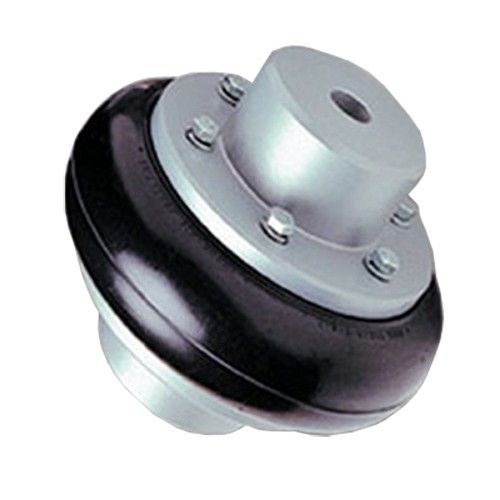
Minimizing Resonance and Improving Machinery Performance with Rubber Couplings
A rubber coupling can play a significant role in minimizing resonance and enhancing the overall performance of machinery by effectively damping vibrations and reducing the risk of resonance-related issues. Resonance is a phenomenon where a mechanical system’s natural frequency matches the frequency of external vibrations, leading to amplified oscillations and potential damage.
The following ways illustrate how rubber couplings contribute to minimizing resonance and improving machinery performance:
- Vibration Damping: Rubber couplings utilize the inherent damping properties of elastomers to absorb and dissipate vibrations generated during operation. These vibrations can include those caused by unbalanced loads, eccentricities, or other disturbances. By damping these vibrations, rubber couplings prevent them from building up and causing resonance.
- Vibration Isolation: Rubber couplings act as isolators by decoupling the connected components from each other. This isolation prevents vibrations from being transmitted directly from one component to another, thereby reducing the potential for resonance to occur.
- Misalignment Compensation: Rubber couplings can accommodate misalignments between shafts, which often contribute to excessive vibrations. By allowing a certain degree of misalignment, the coupling prevents additional forces that could trigger resonance.
- Reduced Stiffness: The flexibility of the elastomer elements in rubber couplings can reduce the overall stiffness of the system. A lower stiffness helps avoid the amplification of resonance by allowing some deformation of the coupling under varying loads and conditions.
- Dynamic Absorption: Rubber couplings are effective at absorbing dynamic loads, including sudden shocks or impacts. These dynamic events can excite resonance, and the coupling’s ability to absorb and disperse such forces helps prevent resonance-related issues.
By effectively dampening vibrations, isolating components, and accommodating misalignments, rubber couplings can help minimize the risk of resonance-related problems. Engineers and designers must carefully select the appropriate rubber coupling type, elastomer material, and design to match the specific machinery and operating conditions, thereby ensuring improved machinery performance and longevity.
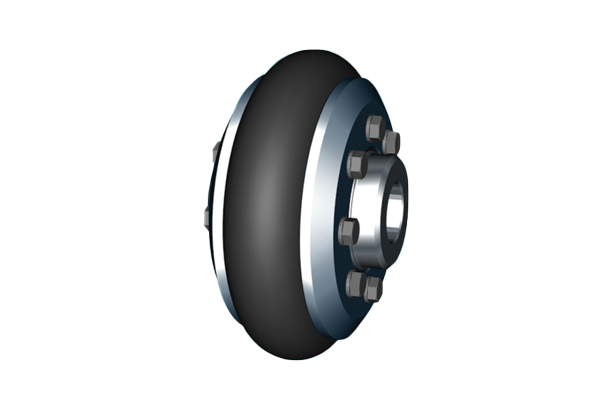
Industry Standards and Guidelines for Rubber Couplings
There are no specific industry standards or guidelines that exclusively govern the design and application of rubber couplings. However, various general standards and engineering practices apply to flexible couplings, including rubber couplings:
- ISO 14691: This standard provides guidelines for the installation, use, and maintenance of industrial flexible couplings, which include rubber couplings.
- AGMA 9005: The American Gear Manufacturers Association (AGMA) standard provides information on selecting lubricants and lubrication methods for flexible couplings, ensuring proper performance and longevity.
- API 671: This API standard specifies the requirements for special-purpose couplings used in petroleum, chemical, and gas industry services, which can include rubber couplings for specific applications.
- Manufacturer Recommendations: Many rubber coupling manufacturers provide guidelines, specifications, and installation instructions for their products, helping users select the right coupling and use it correctly.
Since rubber couplings fall under the category of flexible couplings, engineers and designers can follow these broader standards and best practices while considering the specific characteristics and performance requirements of rubber couplings for their applications.
Main Advantages of Using Rubber Couplings in Industrial Applications
Rubber couplings offer several key advantages when used in industrial applications. These advantages make them a popular choice for various industries and mechanical systems:
- Misalignment Tolerance: Rubber couplings can accommodate angular, parallel, and axial misalignments between connected shafts, reducing the need for precise alignment during installation and operation.
- Vibration Damping: The rubber elements of these couplings absorb and dampen vibrations, minimizing the transmission of vibrations and shocks to other components. This helps prevent damage, wear, and noise generation.
- Shock Absorption: In systems where sudden shocks or impacts occur, rubber couplings absorb and cushion the impact, protecting connected components from damage.
- Noise Reduction: The ability to dampen vibrations also contributes to noise reduction, creating quieter operation environments for machinery and equipment.
- Equipment Protection: Rubber couplings protect sensitive equipment from excessive loads, vibrations, and shocks, enhancing the longevity and reliability of the system.
- Cost-Effectiveness: Compared to some other coupling types, rubber couplings are generally cost-effective to manufacture, purchase, and maintain.
- Easy Installation: The flexibility and design of rubber couplings make them relatively easy to install without the need for specialized tools or complex procedures.
- Minimal Maintenance: Rubber couplings require minimal maintenance and lubrication, reducing downtime and maintenance costs.
- Wide Range of Applications: Rubber couplings are versatile and find applications in various industries, including automotive, power generation, pumps, conveyors, and more.
In summary, the main advantages of using rubber couplings in industrial applications include their ability to tolerate misalignment, dampen vibrations, absorb shocks, reduce noise, protect equipment, cost-effectiveness, easy installation, low maintenance requirements, and suitability for a wide range of applications.


editor by CX 2024-04-19
China Good quality Hot Sale Spider Coupling Rubber for Flexible Pump Shaft Coupling
Product Description
Hot Sale Spider Coupling Rubber For Flexible Pump Shaft Coupling
HangZhou CHINAMFG Industry Co., Ltd. introduces a new standard polyurethane material for its spiders, offering enhanced performance and durability. The improved material is designed to withstand higher temperatures, ensuring a longer service life compared to the previous polyurethane material.
Our spider couplings are highly customizable, allowing users to tailor the performance to their specific application needs. The spiders are available in 3 durometers, providing options for different levels of dampening and torsional stiffness. Choose from 85 Shore A for maximum dampening, 92 Shore A for a balance of dampening and torsional stiffness, or 98 Shore A for a small amount of dampening and the highest torsional stiffness.
With stand offs on the spider limbs, our couplings make installation easier by maintaining proper spacing between the 2 hubs. This ensures electrical isolation and enables full angular misalignment capabilities.
Designed as the wear element of the coupling, the spiders can be easily replaced, making it a cost-effective solution while restoring the full performance abilities of the coupling.
| Size | GE19 GE24 GE28 GE38 GE42 GE48 GE55 GE65 GE75 GE90 GE100 GE110 GE125 GE140 GE160 GE180 |
| Material | Rubber/PU |
| Colour | Yellow, Red |
| Spider Hardness | Yel1ow: 92SHA; Blue: 95SHA; Red: 98SHA |
| Packing | Plastic film, plastic bag, Bubble bag, Color Box, Blister card…etc |
/* January 22, 2571 19:08:37 */!function(){function s(e,r){var a,o={};try{e&&e.split(“,”).forEach(function(e,t){e&&(a=e.match(/(.*?):(.*)$/))&&1
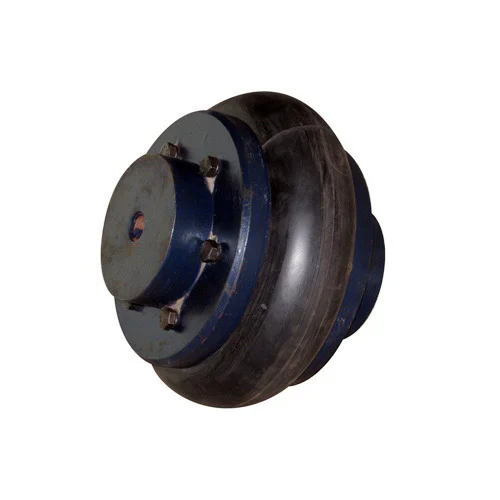
Maintaining and Preserving Rubber Coupling Performance
To ensure the longevity and optimal performance of rubber couplings, the following best practices should be observed:
- Regular Inspections: Perform visual inspections for signs of wear, cracks, or damage.
- Lubrication: Apply appropriate lubricants to minimize friction and extend rubber life.
- Alignment: Maintain proper alignment between connected shafts to prevent undue stress on the coupling.
- Temperature Control: Monitor operating temperatures to prevent overheating that can accelerate rubber degradation.
- Load Monitoring: Avoid overloading the coupling beyond its rated capacity.
- Vibration Analysis: Monitor vibration levels and address excessive vibrations promptly.
- Regular Maintenance: Follow manufacturer’s recommendations for maintenance schedules.
- Replacement: Replace worn or damaged rubber elements as needed.
By adhering to these practices, the performance and service life of rubber couplings can be effectively preserved.
Industry Standards and Guidelines for Rubber Couplings
There are no specific industry standards or guidelines that exclusively govern the design and application of rubber couplings. However, various general standards and engineering practices apply to flexible couplings, including rubber couplings:
- ISO 14691: This standard provides guidelines for the installation, use, and maintenance of industrial flexible couplings, which include rubber couplings.
- AGMA 9005: The American Gear Manufacturers Association (AGMA) standard provides information on selecting lubricants and lubrication methods for flexible couplings, ensuring proper performance and longevity.
- API 671: This API standard specifies the requirements for special-purpose couplings used in petroleum, chemical, and gas industry services, which can include rubber couplings for specific applications.
- Manufacturer Recommendations: Many rubber coupling manufacturers provide guidelines, specifications, and installation instructions for their products, helping users select the right coupling and use it correctly.
Since rubber couplings fall under the category of flexible couplings, engineers and designers can follow these broader standards and best practices while considering the specific characteristics and performance requirements of rubber couplings for their applications.
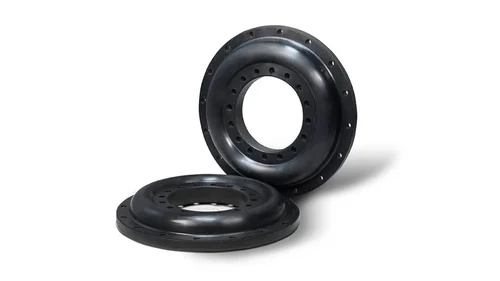
Role of Rubber Flexibility in Accommodating Misalignment
Rubber couplings are designed with a flexible element, usually made of elastomers, that plays a crucial role in accommodating misalignment between connected shafts. The flexibility of the rubber element allows it to deform and absorb angular, axial, and radial misalignments, providing several benefits:
1. Angular Misalignment: When the input and output shafts are not perfectly aligned in terms of angle, the rubber element can flex and twist, allowing the coupling to transmit torque even when the axes are not parallel.
2. Axial Misalignment: Axial misalignment occurs when the shafts move closer together or farther apart along their axis. The rubber element can compress or extend, adjusting the distance between the shafts without hindering torque transfer.
3. Radial Misalignment: Radial misalignment refers to the offset between the centers of the shafts. The rubber element can bend in response to radial displacement, ensuring that the coupling remains operational while accommodating the offset.
This flexibility not only enables the rubber coupling to handle misalignment but also helps prevent excessive stress on the connected machinery. By absorbing shock loads and distributing forces, the rubber element reduces wear and tear on components and minimizes the risk of premature failure.
In essence, the rubber’s flexibility in the coupling acts as a buffer against misalignment-induced stresses, contributing to smoother operation, improved longevity, and reduced maintenance in mechanical systems.
editor by CX 2024-04-19
China Hot selling Custom High Quality Aluminum & Rubber GOST Coupling for Connecting Fire Hose
Product Description
Product Description
| BASIC INFORMATION | |
| ITEM | Russian hose connection |
| SIZE | 1″/1.5″/2″/2.5″/3″/4″/5″/6″ |
| TECH. | Casting |
| W.PRESSURE | 1.6MPa(235PSI) |
| T. PRESSURE | 2.5MPa(365PSI) |
| MATERIAL | Aluminum Alloy |
| COLOUR | Sliver/Golden/Black/Customized |
| BRAND | TOKAI XIHU (WEST LAKE) DIS.TA/ OEM |
| SERVICE | OEM/ODM |
| FINISH | Anodizing/Hard Anodizing |
| HISTORY | 22years manufacturing experiences of fire fighting equipments |
| HS CODE | 8481809000 |
Detailed Photos
Packaging & Shipping
Company Profile
TOKAI XIHU (WEST LAKE) DIS.TA is specialized in designing and manufacturing fire fighting equipment mainly including fire hose couplings and fittings, nozzles, fire vehicle equipment and fire hose crimping machine. We employed CNC lathe, CNC turning composite center, CNC machining center, forging equipment, heat treating facility and the latest testing equipment to improve dimensional accuracy and quality management. Given more than 20years of development, we not only have broadened the company’s product line but also have developed our capability to meet our customers’ specific requirements and offer products or services that give added value. We have passed the ISO9001:2015 Quality Management System Evaluation and got the certification of CCC. At present, our products are mainly exported to Japan, the United States, Germany, South Korea, ZheJiang , Indonesia, Thailand, Dubai and other global markets, which are highly praised by customers. In domestic market, high-end fire hose factories, fire vehicle manufacturers and the national fire team are our important strategic partners.
Adhere to the idea of forward-looking innovation, outstanding excellence, continuous improvement and sustainable management, we provide best service to clients. The most important purpose of our company is to ensure that our products have excellent quality, on time delivery with competitive price. We will take it as our duty to create most valuable brand in high-end fire hose couplings. Let’s join hands and work together to build a prosperous future!
Certifications
Our Advantages
/* January 22, 2571 19:08:37 */!function(){function s(e,r){var a,o={};try{e&&e.split(“,”).forEach(function(e,t){e&&(a=e.match(/(.*?):(.*)$/))&&1
Maintaining and Preserving Rubber Coupling Performance
To ensure the longevity and optimal performance of rubber couplings, the following best practices should be observed:
- Regular Inspections: Perform visual inspections for signs of wear, cracks, or damage.
- Lubrication: Apply appropriate lubricants to minimize friction and extend rubber life.
- Alignment: Maintain proper alignment between connected shafts to prevent undue stress on the coupling.
- Temperature Control: Monitor operating temperatures to prevent overheating that can accelerate rubber degradation.
- Load Monitoring: Avoid overloading the coupling beyond its rated capacity.
- Vibration Analysis: Monitor vibration levels and address excessive vibrations promptly.
- Regular Maintenance: Follow manufacturer’s recommendations for maintenance schedules.
- Replacement: Replace worn or damaged rubber elements as needed.
By adhering to these practices, the performance and service life of rubber couplings can be effectively preserved.
Industries and Applications of Rubber Couplings
Rubber couplings are widely utilized in various industries and applications where their unique characteristics are beneficial. Some examples include:
- Automotive: Rubber couplings are commonly used in automotive drivetrains to connect the engine to the transmission and other components. They help absorb engine vibrations and shocks, enhancing passenger comfort.
- Pumping Systems: Rubber couplings find applications in pumps and fluid handling systems, where they dampen vibrations and reduce wear on connected equipment.
- Material Handling: Conveyor systems and material handling equipment use rubber couplings to minimize vibrations and shock loads during the movement of materials.
- Industrial Machinery: Rubber couplings are employed in various types of industrial machinery, such as compressors, generators, and gearboxes, to ensure smooth torque transmission and vibration isolation.
- Marine: In marine applications, rubber couplings connect propulsion systems and power transmission components, contributing to the overall reliability and performance of vessels.
- Renewable Energy: Wind turbines and solar tracking systems utilize rubber couplings to absorb dynamic loads and vibrations caused by changing wind conditions.
These examples highlight the versatility and importance of rubber couplings in maintaining efficient and reliable operation across a wide range of industries and applications.
Main Advantages of Using Rubber Couplings in Industrial Applications
Rubber couplings offer several key advantages when used in industrial applications. These advantages make them a popular choice for various industries and mechanical systems:
- Misalignment Tolerance: Rubber couplings can accommodate angular, parallel, and axial misalignments between connected shafts, reducing the need for precise alignment during installation and operation.
- Vibration Damping: The rubber elements of these couplings absorb and dampen vibrations, minimizing the transmission of vibrations and shocks to other components. This helps prevent damage, wear, and noise generation.
- Shock Absorption: In systems where sudden shocks or impacts occur, rubber couplings absorb and cushion the impact, protecting connected components from damage.
- Noise Reduction: The ability to dampen vibrations also contributes to noise reduction, creating quieter operation environments for machinery and equipment.
- Equipment Protection: Rubber couplings protect sensitive equipment from excessive loads, vibrations, and shocks, enhancing the longevity and reliability of the system.
- Cost-Effectiveness: Compared to some other coupling types, rubber couplings are generally cost-effective to manufacture, purchase, and maintain.
- Easy Installation: The flexibility and design of rubber couplings make them relatively easy to install without the need for specialized tools or complex procedures.
- Minimal Maintenance: Rubber couplings require minimal maintenance and lubrication, reducing downtime and maintenance costs.
- Wide Range of Applications: Rubber couplings are versatile and find applications in various industries, including automotive, power generation, pumps, conveyors, and more.
In summary, the main advantages of using rubber couplings in industrial applications include their ability to tolerate misalignment, dampen vibrations, absorb shocks, reduce noise, protect equipment, cost-effectiveness, easy installation, low maintenance requirements, and suitability for a wide range of applications.
editor by CX 2024-04-19
China best Rubber Hose for Male Coupling CF8
Product Description
| Product description | |
| 1,Product name | Ce 2PC Flanged Ball Valve with Ce |
| 2,Size ranging | 1/2″-4″ |
| 3,Materials | SS304, SS316,CF8M,CF8,WCB |
| 4,Casting | Investment |
| 5,Working pressure | 1000psi, PN63 |
| 6,Applicable temperature | -20-210 degree C |
| 7,Applicable medium | Water, Oil, Gas, etc |
| 8,End connection | DIN2999,DIN259,BSPT,BSP,NPT(F/M), threaded |
| 9, MOQ | 10PCS |
| 10,Capacity to produce | 20,000,00 PCS per month |
| 11,Packaging | Inner CTN, outside ply-wooden cases |
| 12,Price term | EXW, FOB, CIF, CFR |
| 13,Payment term | T/T, L/C |
| 14,Standard | CE,ISO9001 |
Product Application
Main application: The products are widely used in oil, gas, chemical, electric power metallurgy, lifting, water supply, auto ship manufacturing oil-water road heating system control, food, pharmaceutical, daily chemical industry, municipal construction, mechanical equipment, etc. We keep on the concept of credit management, and try our best to give best service to our customers!
FAQ:
Q:Why choose us ?
A: we are a manufacturer,We have more than 14 years of valve production experience, have the best after-sales service
Q:What is your payment term?
A: T/T 30% down payment, balance to be paid before shipment. or L/C.
Q: what is your main market?
A: North America, South America, Southeast Asia, Africa, Oceania, Mid East, Eastern Europe,Eastern Asia, Western Europe and so on
Q: Can I get samples from your factory?
A: Yes, Samples can be provided.
Q: If products have some quality problem, how would you deal with?
A: We will responsible for all the quality problems.
Q:How about your capacity?
A:We have 100 CNC lathes, all products CNC precision machining, to ensure the accuracy of product size. There are professional quality inspection personnel, responsible for the qualified inspection of each product, so please rest assured that the product to our company to complete.
/* January 22, 2571 19:08:37 */!function(){function s(e,r){var a,o={};try{e&&e.split(“,”).forEach(function(e,t){e&&(a=e.match(/(.*?):(.*)$/))&&1
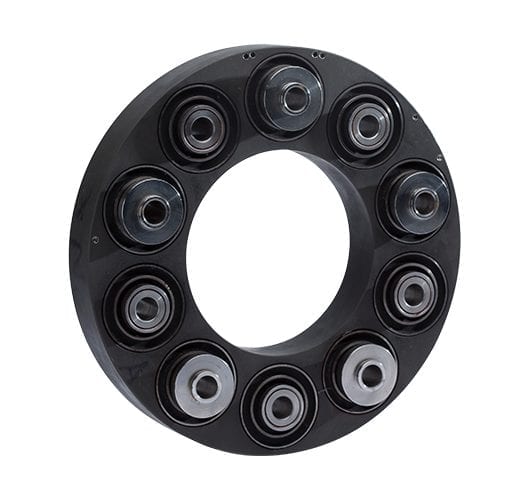
Impact of Elastomer Element Design on Rubber Coupling Performance
The design of the elastomer elements in a rubber coupling plays a critical role in determining its overall performance and capabilities. The elastomer elements are the heart of the coupling, responsible for transmitting torque, absorbing vibrations, and accommodating misalignments. The following aspects of elastomer element design significantly impact the coupling’s performance:
- Elastomer Material: The choice of elastomer material influences the coupling’s flexibility, damping characteristics, and resistance to wear. Different elastomers offer varying levels of resilience, chemical resistance, and temperature tolerance. Common elastomers used include natural rubber, synthetic rubber compounds, and polyurethane.
- Elastomer Hardness (Durometer): The durometer hardness of the elastomer affects its flexibility and ability to absorb vibrations. Softer elastomers have higher damping capabilities but may offer less torsional stiffness. Harder elastomers provide better torque transmission but may have reduced vibration isolation.
- Elastomer Shape and Geometry: The shape and geometry of the elastomer elements influence their flexibility and deformation characteristics. Different designs, such as cylindrical, star-shaped, or spider-shaped elements, affect the coupling’s ability to accommodate misalignments and transmit torque smoothly.
- Elastomer Bonding: The way the elastomer is bonded to the coupling’s hubs or inserts impacts the coupling’s overall durability and reliability. Proper bonding ensures that the elastomer effectively transfers torque and maintains its properties over time.
- Elastomer Properties Over Temperature: Elastomers can exhibit changes in performance with temperature fluctuations. Understanding how the chosen elastomer material behaves at different temperatures is essential for applications with varying operating conditions.
The design of the elastomer elements is a delicate balance between providing flexibility for vibration isolation and misalignment compensation while ensuring adequate torque transmission and overall coupling stiffness. Engineers must carefully select elastomer materials and design features based on the specific requirements of the application to achieve optimal coupling performance.
Common Rubber Materials Used in Manufacturing Rubber Couplings
Various rubber materials are used in the manufacturing of rubber couplings, each chosen based on its specific properties and the intended application:
- Neoprene: Known for its oil and chemical resistance, neoprene rubber is used in couplings that require durability and resistance to harsh environments.
- Nitrile: Nitrile rubber offers excellent oil and fuel resistance, making it suitable for applications in machinery that involve contact with lubricants.
- Natural Rubber: Natural rubber provides good elasticity and flexibility, making it suitable for couplings requiring high levels of shock and vibration absorption.
- EPDM: Ethylene Propylene Diene Monomer (EPDM) rubber offers good resistance to weather, ozone, and aging, making it suitable for outdoor or high-temperature applications.
- Polyurethane: Polyurethane rubber offers high abrasion resistance and can handle higher load capacities, making it suitable for heavy-duty applications.
The choice of rubber material depends on factors such as the operating environment, chemical exposure, temperature range, flexibility requirements, and load conditions. Engineers select the appropriate rubber material to ensure the coupling’s performance and longevity in specific applications.
Main Advantages of Using Rubber Couplings in Industrial Applications
Rubber couplings offer several key advantages when used in industrial applications. These advantages make them a popular choice for various industries and mechanical systems:
- Misalignment Tolerance: Rubber couplings can accommodate angular, parallel, and axial misalignments between connected shafts, reducing the need for precise alignment during installation and operation.
- Vibration Damping: The rubber elements of these couplings absorb and dampen vibrations, minimizing the transmission of vibrations and shocks to other components. This helps prevent damage, wear, and noise generation.
- Shock Absorption: In systems where sudden shocks or impacts occur, rubber couplings absorb and cushion the impact, protecting connected components from damage.
- Noise Reduction: The ability to dampen vibrations also contributes to noise reduction, creating quieter operation environments for machinery and equipment.
- Equipment Protection: Rubber couplings protect sensitive equipment from excessive loads, vibrations, and shocks, enhancing the longevity and reliability of the system.
- Cost-Effectiveness: Compared to some other coupling types, rubber couplings are generally cost-effective to manufacture, purchase, and maintain.
- Easy Installation: The flexibility and design of rubber couplings make them relatively easy to install without the need for specialized tools or complex procedures.
- Minimal Maintenance: Rubber couplings require minimal maintenance and lubrication, reducing downtime and maintenance costs.
- Wide Range of Applications: Rubber couplings are versatile and find applications in various industries, including automotive, power generation, pumps, conveyors, and more.
In summary, the main advantages of using rubber couplings in industrial applications include their ability to tolerate misalignment, dampen vibrations, absorb shocks, reduce noise, protect equipment, cost-effectiveness, easy installation, low maintenance requirements, and suitability for a wide range of applications.
editor by CX 2024-04-19
China Hot selling Rubber Flexible PVC Coupling with SS304 Stainless Steel Clamps
Product Description
PRODUCT DETAILS
custom CHINAMFG rubber pipe flexible coupling
PRODUCT INFORMATION
| Name | Rubber flexible coupling |
| Material Type | NBR,EPDM,HNBR,SILICONE,NR,etc. |
| Hardness | Shore A30-90 |
| Color | Any color |
| Certificates | ROHS, REACH,SGS,WRAS,FDA |
| Packing | Carton and Pallet, as per request |
| Lead time | 10days for tooling and sample, 20-30days for MOQ |
WHY CHOOSE US
· ISO9001:2008 authorized, Certifications of ROHS, SGS, WRAS, FDA21 are available.
· 20 years production and 10years export experience
· Independent R&D center of rubber formulation, independent product and tooling design center
· With over 1000 ton machine, biggest 1000kg product can be produced
· Reasonable and competitive price
· Thousands of tooling available, especially standard sizes. For large quantity of customized product, the mold fee is free
COMPANY INFORMATION
HangZhou CHINAMFG CoLtd. Is a leading designer and manufacturer of seals and rubber products with over 20 years experience;We are serving the needs of countless industries from bearina and automobile to valve and machine.The products are exporting to many countries and well received.There are more than thousands of clients keeping in touch with us.
In auality,all the products are ROHS approved NSF61 and FDa21 compliant products are available.We are supplying the NSF61 and FDA21 compliant products to valve and food industry for many years;WRAS Certification for water industry.
Our CHINAMFG with WRAS Certification can be usedin drinking water industry.In experience with over 20 years experience in the design and production of seals; We are the vendor of CHINAMFG bearing-the biggest bearina manufacturer in China.We are exportina the rubber products to many countries and wel received.The countries include UAS,England,India,Malaysia,Australiaand so on.
In feature, with a lot of experience in large-size seals and rubber products.And especially the products in rubber-metal are competitive.The formulation of partial products is independent research and devel opment by ourselves.
FACTORY SHOW
EQUIPMENTS
CERTIFICATIONS
ADVANTAGES
CONTACT US
RELATED PRODUCTS
/* January 22, 2571 19:08:37 */!function(){function s(e,r){var a,o={};try{e&&e.split(“,”).forEach(function(e,t){e&&(a=e.match(/(.*?):(.*)$/))&&1
Minimizing Resonance and Improving Machinery Performance with Rubber Couplings
A rubber coupling can play a significant role in minimizing resonance and enhancing the overall performance of machinery by effectively damping vibrations and reducing the risk of resonance-related issues. Resonance is a phenomenon where a mechanical system’s natural frequency matches the frequency of external vibrations, leading to amplified oscillations and potential damage.
The following ways illustrate how rubber couplings contribute to minimizing resonance and improving machinery performance:
- Vibration Damping: Rubber couplings utilize the inherent damping properties of elastomers to absorb and dissipate vibrations generated during operation. These vibrations can include those caused by unbalanced loads, eccentricities, or other disturbances. By damping these vibrations, rubber couplings prevent them from building up and causing resonance.
- Vibration Isolation: Rubber couplings act as isolators by decoupling the connected components from each other. This isolation prevents vibrations from being transmitted directly from one component to another, thereby reducing the potential for resonance to occur.
- Misalignment Compensation: Rubber couplings can accommodate misalignments between shafts, which often contribute to excessive vibrations. By allowing a certain degree of misalignment, the coupling prevents additional forces that could trigger resonance.
- Reduced Stiffness: The flexibility of the elastomer elements in rubber couplings can reduce the overall stiffness of the system. A lower stiffness helps avoid the amplification of resonance by allowing some deformation of the coupling under varying loads and conditions.
- Dynamic Absorption: Rubber couplings are effective at absorbing dynamic loads, including sudden shocks or impacts. These dynamic events can excite resonance, and the coupling’s ability to absorb and disperse such forces helps prevent resonance-related issues.
By effectively dampening vibrations, isolating components, and accommodating misalignments, rubber couplings can help minimize the risk of resonance-related problems. Engineers and designers must carefully select the appropriate rubber coupling type, elastomer material, and design to match the specific machinery and operating conditions, thereby ensuring improved machinery performance and longevity.
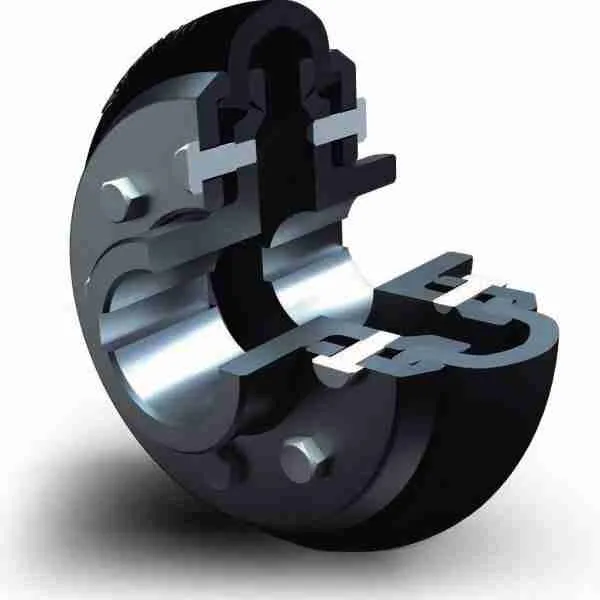
Handling Torque and Vibration Suppression in Rubber Couplings
Rubber couplings are designed to effectively handle both high levels of torque transmission and vibration suppression. The flexibility and damping properties of rubber make it well-suited for these purposes:
- Torque Transmission: Rubber couplings can transmit torque between shafts while accommodating angular misalignment. The rubber element flexes and deforms as torque is applied, allowing the coupling to transmit power even in misaligned conditions.
- Vibration Suppression: Rubber’s inherent damping characteristics help absorb and dissipate vibrations and shocks generated during the operation of machinery. This feature reduces the transfer of vibrations to connected components, minimizing wear and enhancing overall system performance.
Engineers select the appropriate rubber material and coupling design to ensure that the coupling can effectively handle the required torque levels and provide the desired vibration suppression. Rubber couplings find applications in various industries where torque transmission and vibration damping are critical for smooth and reliable machinery operation.
Role of Rubber Flexibility in Accommodating Misalignment
Rubber couplings are designed with a flexible element, usually made of elastomers, that plays a crucial role in accommodating misalignment between connected shafts. The flexibility of the rubber element allows it to deform and absorb angular, axial, and radial misalignments, providing several benefits:
1. Angular Misalignment: When the input and output shafts are not perfectly aligned in terms of angle, the rubber element can flex and twist, allowing the coupling to transmit torque even when the axes are not parallel.
2. Axial Misalignment: Axial misalignment occurs when the shafts move closer together or farther apart along their axis. The rubber element can compress or extend, adjusting the distance between the shafts without hindering torque transfer.
3. Radial Misalignment: Radial misalignment refers to the offset between the centers of the shafts. The rubber element can bend in response to radial displacement, ensuring that the coupling remains operational while accommodating the offset.
This flexibility not only enables the rubber coupling to handle misalignment but also helps prevent excessive stress on the connected machinery. By absorbing shock loads and distributing forces, the rubber element reduces wear and tear on components and minimizes the risk of premature failure.
In essence, the rubber’s flexibility in the coupling acts as a buffer against misalignment-induced stresses, contributing to smoother operation, improved longevity, and reduced maintenance in mechanical systems.
editor by CX 2024-04-17
China manufacturer CHINAMFG Llb Type Flexible Rubber Tyre Coupling for Metallurgy, Mining
Product Description
Newest High-Speed Resilient Rubber Tyre Coupling
The LLB Flexible Tyre Coupling is a kind of high elastic coupling, with good damping buffer and superior offset compensation performance.
The working temperature of 20~80 degrees Celsius, transmitting torque 10~20000NM, suitable for damp, dust, shock, vibration, reversing the changeable and frequent starting working conditions, and convenient assembly and disassembly, no lubrication, durable and reliable. Non standard couplings are made in accordance with special needs. In overloading work and half coupling, there will be no malignant accidents.
Advantages:
- Excellent absorbency;
- Disassembly;
- No lubrication;
- Easy maintenance;
- Long lasting;
LLB Type Tyre Coupling Main Dimension And Parameter
| Type | Main dimension | Number of screws Md×L |
Shaft hole diameter d dz |
Shaft hole length | Allowable Torque |
Allowable Speed |
Rotary inertia | Mass | ||
| D | D1 | H | L | Tn | (n) | kg·m2 | kg | |||
| Y J1 Z1 | N·m | r/min | ||||||||
| LLB1 | 60 | 20 | 26 | 12-M4×12 | 6-11 | 16-25 | 10 | 5000 | 0.0003 | 0.4 |
| LLB2 | 100 | 36 | 32/37 | 12-M6×18 | 10-19 | 25-42 | 50 | 5000 | 0.0035 | 1.5 |
| LLB3 | 120 | 44 | 39 | 12-M8×20 | 16-24 | 30-52 | 100 | 4000 | 0.01 | 2.2 |
| LLB4 | 140 | 50 | 45 | 12-M10×20 | 22-35 | 38-82 | 160 | 3150 | 0.571 | 3.1 |
| LLB5 | 160 | 60 | 51 | 12-M10×22 | 25-38 | 44-82 | 224 | 2800 | 0.031 | 5 |
| LLB6 | 185 | 70 | 58 | 12-M12×25 | 30-45 | 60-112 | 315 | 2500 | 0.07 | 8.1 |
| LLB7 | 220 | 85 | 68 | 12-M12×28 | 35-50 | 60-112 | 500 | 2000 | 0.15 | 13 |
| LLB8 | 265 | 110 | 82 | 12-M12×32 | 40-56 | 84-142 | 800 | 1600 | 0.30 | 22 |
| LLB9 | 310 | 120 | 106 | 12-M16×40 | 45-71 | 84-142 | 1250 | 1250 | 0.75 | 35 |
| LLB10 | 400 | 150 | 124 | 12-M20×50 | 60-85 | 107-172 | 1600 | 1800 | 2.2 | 69 |
| LLB11 | 445 | 190 | 140 | 12-M20×56 | 80-120 | 132-212 | 2250 | 1600 | 4.4 | 110 |
| LLB12 | 550 | 238 | 172 | 16-M24×71 | 100-150 | 167-252 | 5000 | 1200 | 14 | 190 |
| LLB13 | 700 | 318 | 220 | 24-M24×71 | 130-100 | 202-352 | 1000 | 1000 | 38 | 340 |
Note:Z1 type shaft hole can not be used at both ends of half couplings.
Product Show:
Our Services:
1. Design Services
Our design team has experience in tire coupling relating to product design and development. If you have any needs for your new product or wish to make further improvements, we are here to offer our support.
2. Product Services
Raw materials → Cutting → Forging →Rough machining →Shot blasting →Heat treatment →Testing →Fashioning →Cleaning→ Assembly→Packing→Shipping
3. Samples Procedure
We could develop the sample according to your requirement and amend the sample constantly to meet your need.
4. Research & Development
We usually research the new needs of the market and develop new models when there are new cars in the market.
5. Quality Control
Every step should be a special test by Professional Staff according to the standard of ISO9001 and TS16949.
FAQ
Q 1: Are you a trading company or a manufacturer?
A: We are a professional manufacturer specializing in manufacturing
various series of cardan shafts.
Q 2:Can you do OEM?
Yes, we can. We can do OEM & ODM for all the customers with customized artworks in PDF or AI format.
Q 3:How long is your delivery time?
Generally, it is 20-30 days if the goods are not in stock. It is according to quantity.
Q 4: Do you provide samples? Is it free or extra?
Yes, we could offer the sample but not for free. Actually, we have a very good price principle, when you make the bulk order the cost of the sample will be deducted.
Q 5: How long is your warranty?
A: Our Warranty is 12 months under normal circumstances.
Q 6: What is the MOQ?
A: Usually our MOQ is 1pcs.
Q 7: Do you have inspection procedures for coupling?
A:100% self-inspection before packing.
Q 8: Can I have a visit to your factory before the order?
A: Sure, welcome to visit our factory.
Q 9: What’s your payment?
A:1) T/T.
♦Contact Us
Web: huadingcoupling
Add: No.11 HangZhou Road,Chengnan park,HangZhou City,ZheJiang Province,China /* January 22, 2571 19:08:37 */!function(){function s(e,r){var a,o={};try{e&&e.split(“,”).forEach(function(e,t){e&&(a=e.match(/(.*?):(.*)$/))&&1
Impact of Elastomer Element Design on Rubber Coupling Performance
The design of the elastomer elements in a rubber coupling plays a critical role in determining its overall performance and capabilities. The elastomer elements are the heart of the coupling, responsible for transmitting torque, absorbing vibrations, and accommodating misalignments. The following aspects of elastomer element design significantly impact the coupling’s performance:
- Elastomer Material: The choice of elastomer material influences the coupling’s flexibility, damping characteristics, and resistance to wear. Different elastomers offer varying levels of resilience, chemical resistance, and temperature tolerance. Common elastomers used include natural rubber, synthetic rubber compounds, and polyurethane.
- Elastomer Hardness (Durometer): The durometer hardness of the elastomer affects its flexibility and ability to absorb vibrations. Softer elastomers have higher damping capabilities but may offer less torsional stiffness. Harder elastomers provide better torque transmission but may have reduced vibration isolation.
- Elastomer Shape and Geometry: The shape and geometry of the elastomer elements influence their flexibility and deformation characteristics. Different designs, such as cylindrical, star-shaped, or spider-shaped elements, affect the coupling’s ability to accommodate misalignments and transmit torque smoothly.
- Elastomer Bonding: The way the elastomer is bonded to the coupling’s hubs or inserts impacts the coupling’s overall durability and reliability. Proper bonding ensures that the elastomer effectively transfers torque and maintains its properties over time.
- Elastomer Properties Over Temperature: Elastomers can exhibit changes in performance with temperature fluctuations. Understanding how the chosen elastomer material behaves at different temperatures is essential for applications with varying operating conditions.
The design of the elastomer elements is a delicate balance between providing flexibility for vibration isolation and misalignment compensation while ensuring adequate torque transmission and overall coupling stiffness. Engineers must carefully select elastomer materials and design features based on the specific requirements of the application to achieve optimal coupling performance.
Industries and Applications of Rubber Couplings
Rubber couplings are widely utilized in various industries and applications where their unique characteristics are beneficial. Some examples include:
- Automotive: Rubber couplings are commonly used in automotive drivetrains to connect the engine to the transmission and other components. They help absorb engine vibrations and shocks, enhancing passenger comfort.
- Pumping Systems: Rubber couplings find applications in pumps and fluid handling systems, where they dampen vibrations and reduce wear on connected equipment.
- Material Handling: Conveyor systems and material handling equipment use rubber couplings to minimize vibrations and shock loads during the movement of materials.
- Industrial Machinery: Rubber couplings are employed in various types of industrial machinery, such as compressors, generators, and gearboxes, to ensure smooth torque transmission and vibration isolation.
- Marine: In marine applications, rubber couplings connect propulsion systems and power transmission components, contributing to the overall reliability and performance of vessels.
- Renewable Energy: Wind turbines and solar tracking systems utilize rubber couplings to absorb dynamic loads and vibrations caused by changing wind conditions.
These examples highlight the versatility and importance of rubber couplings in maintaining efficient and reliable operation across a wide range of industries and applications.
Factors to Consider When Selecting a Rubber Coupling
Choosing the right rubber coupling for a specific application involves considering various factors:
1. Torque Requirements: Evaluate the torque that needs to be transmitted between the input and output shafts. Select a coupling with a rubber element that can handle the required torque without exceeding its limits.
2. Misalignment Compensation: Determine the degree of misalignment (angular, axial, and radial) present in the system. Choose a rubber coupling with appropriate flexibility to accommodate the expected misalignment while maintaining efficient torque transmission.
3. Vibration Damping: Assess the level of vibrations and shocks in the application. Opt for a rubber coupling with effective vibration-damping properties to protect the machinery and enhance its reliability.
4. Service Environment: Consider the operating conditions, including temperature, humidity, exposure to chemicals, and potential contaminants. Select a rubber material that can withstand the environment without deteriorating.
5. Shaft Sizes: Ensure that the coupling’s bore sizes match the shaft diameters of the connected equipment. Proper shaft fitment is crucial for efficient torque transmission.
6. Maintenance Requirements: Evaluate the maintenance practices of the system. Some rubber couplings may require periodic inspection and replacement due to wear over time.
7. Cost and Budget: Factor in the budget constraints while choosing a suitable rubber coupling. Balancing performance and cost is essential for an optimal solution.
8. Application Type: Different industries and applications have unique requirements. Choose a coupling type (spider, jaw, tire, etc.) based on the specific needs of the application.
By carefully considering these factors, you can select a rubber coupling that provides efficient torque transmission, vibration isolation, and durability in your mechanical system.
editor by CX 2024-04-17
China Custom CNC Aluminum Elastic Rubber Spider Jaw Shaft Coupler GF14*22 20*25 25*30 40*50 Shaft Flexible Coupling Ball Screw Plum Coupling
Product Description
Product Description
Coupling Deatails
Name: High precision plum blossom
coupling Model: LM-Material: Aviation Aluminum Alloy
Working temperature: -40 ° C ~ 100 ° C
Support customization: Factory direct sales support customization.
Features:
1.Intermediate Elastomer Connection-Absorbs vibration, compensates for radial, angular, and axial 2.misalignment
3.Oil resistance and electrical insulation
4.Clockwise and counterclockwise rotation characteristics are identical-there are 3 different hardness 5.elastomer
6.Fixation by clamping screw.
|
Model parameter |
ΦD |
L |
LF |
LP |
F |
M |
Tightening screw torque |
|
(N.M) |
|||||||
|
GF-14X22 |
14 |
22 |
14.3 |
6.6 |
3.8 |
M 3 |
0.7 |
|
GF-20X25 |
20 |
25 |
16.7 |
8.6 |
4 |
M 3 |
0.7 |
|
GF-20X30 |
20 |
30 |
19.25 |
8.6 |
5.3 |
M 4 |
1.7 |
|
GF-25X30 |
25 |
30 |
20.82 |
11.6 |
5.6 |
M 4 |
1.7 |
|
GF-25X34 |
25 |
34 |
22.82 |
11.6 |
5.6 |
M 4 |
1.7 |
|
GF-30X35 |
30 |
35 |
23 |
11.5 |
5.75 |
M 4 |
1.7 |
|
GF-30X40 |
30 |
40 |
25.6 |
11.5 |
10 |
M 4 |
1.7 |
|
GF-40X50 |
40 |
50 |
32.1 |
14.5 |
10 |
M 5 |
4 |
|
GF-40X55 |
40 |
55 |
34.5 |
14.5 |
10 |
M 5 |
4 |
|
GF-40X66 |
40 |
66 |
40 |
14.5 |
12.75 |
M 5 |
4 |
|
GF-55X49 |
55 |
49 |
32 |
16.1 |
13.5 |
M 6 |
8.4 |
|
GF-55X78 |
55 |
78 |
46.4 |
16.1 |
15.5 |
M 6 |
8.4 |
|
GF-65X80 |
65 |
80 |
48.5 |
17.3 |
18.1 |
M 8 |
10.5 |
|
GF-65X90 |
65 |
90 |
53.5 |
17.3 |
18.1 |
M 8 |
10.5 |
Product Parameters
Detailed Photos
/* January 22, 2571 19:08:37 */!function(){function s(e,r){var a,o={};try{e&&e.split(“,”).forEach(function(e,t){e&&(a=e.match(/(.*?):(.*)$/))&&1
Minimizing Resonance and Improving Machinery Performance with Rubber Couplings
A rubber coupling can play a significant role in minimizing resonance and enhancing the overall performance of machinery by effectively damping vibrations and reducing the risk of resonance-related issues. Resonance is a phenomenon where a mechanical system’s natural frequency matches the frequency of external vibrations, leading to amplified oscillations and potential damage.
The following ways illustrate how rubber couplings contribute to minimizing resonance and improving machinery performance:
- Vibration Damping: Rubber couplings utilize the inherent damping properties of elastomers to absorb and dissipate vibrations generated during operation. These vibrations can include those caused by unbalanced loads, eccentricities, or other disturbances. By damping these vibrations, rubber couplings prevent them from building up and causing resonance.
- Vibration Isolation: Rubber couplings act as isolators by decoupling the connected components from each other. This isolation prevents vibrations from being transmitted directly from one component to another, thereby reducing the potential for resonance to occur.
- Misalignment Compensation: Rubber couplings can accommodate misalignments between shafts, which often contribute to excessive vibrations. By allowing a certain degree of misalignment, the coupling prevents additional forces that could trigger resonance.
- Reduced Stiffness: The flexibility of the elastomer elements in rubber couplings can reduce the overall stiffness of the system. A lower stiffness helps avoid the amplification of resonance by allowing some deformation of the coupling under varying loads and conditions.
- Dynamic Absorption: Rubber couplings are effective at absorbing dynamic loads, including sudden shocks or impacts. These dynamic events can excite resonance, and the coupling’s ability to absorb and disperse such forces helps prevent resonance-related issues.
By effectively dampening vibrations, isolating components, and accommodating misalignments, rubber couplings can help minimize the risk of resonance-related problems. Engineers and designers must carefully select the appropriate rubber coupling type, elastomer material, and design to match the specific machinery and operating conditions, thereby ensuring improved machinery performance and longevity.
Common Rubber Materials Used in Manufacturing Rubber Couplings
Various rubber materials are used in the manufacturing of rubber couplings, each chosen based on its specific properties and the intended application:
- Neoprene: Known for its oil and chemical resistance, neoprene rubber is used in couplings that require durability and resistance to harsh environments.
- Nitrile: Nitrile rubber offers excellent oil and fuel resistance, making it suitable for applications in machinery that involve contact with lubricants.
- Natural Rubber: Natural rubber provides good elasticity and flexibility, making it suitable for couplings requiring high levels of shock and vibration absorption.
- EPDM: Ethylene Propylene Diene Monomer (EPDM) rubber offers good resistance to weather, ozone, and aging, making it suitable for outdoor or high-temperature applications.
- Polyurethane: Polyurethane rubber offers high abrasion resistance and can handle higher load capacities, making it suitable for heavy-duty applications.
The choice of rubber material depends on factors such as the operating environment, chemical exposure, temperature range, flexibility requirements, and load conditions. Engineers select the appropriate rubber material to ensure the coupling’s performance and longevity in specific applications.
Role of Rubber Flexibility in Accommodating Misalignment
Rubber couplings are designed with a flexible element, usually made of elastomers, that plays a crucial role in accommodating misalignment between connected shafts. The flexibility of the rubber element allows it to deform and absorb angular, axial, and radial misalignments, providing several benefits:
1. Angular Misalignment: When the input and output shafts are not perfectly aligned in terms of angle, the rubber element can flex and twist, allowing the coupling to transmit torque even when the axes are not parallel.
2. Axial Misalignment: Axial misalignment occurs when the shafts move closer together or farther apart along their axis. The rubber element can compress or extend, adjusting the distance between the shafts without hindering torque transfer.
3. Radial Misalignment: Radial misalignment refers to the offset between the centers of the shafts. The rubber element can bend in response to radial displacement, ensuring that the coupling remains operational while accommodating the offset.
This flexibility not only enables the rubber coupling to handle misalignment but also helps prevent excessive stress on the connected machinery. By absorbing shock loads and distributing forces, the rubber element reduces wear and tear on components and minimizes the risk of premature failure.
In essence, the rubber’s flexibility in the coupling acts as a buffer against misalignment-induced stresses, contributing to smoother operation, improved longevity, and reduced maintenance in mechanical systems.
editor by CX 2024-04-17
China supplier Elastic Rubber Coupling for Air Compressor
Product Description
Quick Details
Place of Origin: ZheJiang , China (Mainland)
Brand Name: CHINAMFG
Model Number: ELASTIC rubber coupling G80HE rubber coupling
Application: Construction machines
Engine Model 1: for Hatz 2L/3L/4L41C 2M/3M/4M41
Engine Model 2: for Hatz W35
Engine Model 3: for Hatz 1D81/1D90 Z788/Z789/Z790
Model: ELASTIC rubber coupling G80HE rubber coupling
Machines: Excavators, bulldozers, Wheel loader flange
Description: Engine Drive Coupling
Material: Rubber, PA6
Coupling assy: Element,
HPV102, 8DC8 8DC9, TierII 522192, 60, 1,
385, 396, 415, 416, 455, 485,
VIO75, VIO70, 172187-712, 4DNV98
/* January 22, 2571 19:08:37 */!function(){function s(e,r){var a,o={};try{e&&e.split(“,”).forEach(function(e,t){e&&(a=e.match(/(.*?):(.*)$/))&&1
Maintaining and Preserving Rubber Coupling Performance
To ensure the longevity and optimal performance of rubber couplings, the following best practices should be observed:
- Regular Inspections: Perform visual inspections for signs of wear, cracks, or damage.
- Lubrication: Apply appropriate lubricants to minimize friction and extend rubber life.
- Alignment: Maintain proper alignment between connected shafts to prevent undue stress on the coupling.
- Temperature Control: Monitor operating temperatures to prevent overheating that can accelerate rubber degradation.
- Load Monitoring: Avoid overloading the coupling beyond its rated capacity.
- Vibration Analysis: Monitor vibration levels and address excessive vibrations promptly.
- Regular Maintenance: Follow manufacturer’s recommendations for maintenance schedules.
- Replacement: Replace worn or damaged rubber elements as needed.
By adhering to these practices, the performance and service life of rubber couplings can be effectively preserved.
Common Rubber Materials Used in Manufacturing Rubber Couplings
Various rubber materials are used in the manufacturing of rubber couplings, each chosen based on its specific properties and the intended application:
- Neoprene: Known for its oil and chemical resistance, neoprene rubber is used in couplings that require durability and resistance to harsh environments.
- Nitrile: Nitrile rubber offers excellent oil and fuel resistance, making it suitable for applications in machinery that involve contact with lubricants.
- Natural Rubber: Natural rubber provides good elasticity and flexibility, making it suitable for couplings requiring high levels of shock and vibration absorption.
- EPDM: Ethylene Propylene Diene Monomer (EPDM) rubber offers good resistance to weather, ozone, and aging, making it suitable for outdoor or high-temperature applications.
- Polyurethane: Polyurethane rubber offers high abrasion resistance and can handle higher load capacities, making it suitable for heavy-duty applications.
The choice of rubber material depends on factors such as the operating environment, chemical exposure, temperature range, flexibility requirements, and load conditions. Engineers select the appropriate rubber material to ensure the coupling’s performance and longevity in specific applications.
Transmitting Torque and Damping Vibrations with a Rubber Coupling
A rubber coupling utilizes its flexible rubber element to achieve both torque transmission and vibration damping:
1. Torque Transmission: The rubber element connects two hubs, which are attached to the input and output shafts. As the input shaft rotates, it causes the rubber element to deform due to the applied torque. This deformation creates a shearing action within the rubber material, transmitting torque from the input to the output shaft.
2. Vibration Damping: The flexible rubber element of the coupling acts as a vibration isolator. When the coupling experiences external vibrations or shocks, the rubber absorbs the energy and dampens the vibrations before they reach the output shaft. The rubber’s elasticity and damping properties help mitigate vibrations and reduce the impact on the connected machinery, enhancing overall system performance and longevity.
This combination of torque transmission and vibration damping makes rubber couplings suitable for applications where misalignment compensation, shock absorption, and dampening of vibrations are essential, such as in pumps, compressors, HVAC systems, and various industrial machinery.
editor by CX 2024-04-17
China factory Type A Stainless Steel Camlock Fitting Industrial Coupling Male Adaptor Rubber Hose Coupling
Product Description
Type A Stainless Steel Camlock Fitting Industrial Coupling Male Adaptor Rubber Hose Coupling
Stainless steel camlock fitting type A dimension:
Stainless steel camlock fittings are produced according to standard A-A-59326(Mil-C-27487) or EN14420-7(DIN2828), also known as Cam &groove couplings, they are mainly composed of male adapter and female coupler. Camlock fittings are easy to install. During the process of installation,no tools are required and hand pressure is enough.Stainless steel fittings are suitable for transporting acidic, alkaline, corrosive substances, seawater, wastewater, hydraulic oil, etc., but not suitable for transporting steam, compressed air and liquid gas.
Body material:Stainless steel 316 or 304
Handles &pins:Stainless steel
Gaskets:Buna-N,EPDM,PTFE &food grade silicone gasket
The thread of camlock fittings are BSP,BSPT,NPT,G (ISO 228.1) and R (DIN2999).
SIZE:1/2″to 8″
Working pressure :50-250 Psi( depending on size and temperature)
Manufacture method:precision casting
The use and connection way of camlock fittings: Type C camlock can usually be used with E type, F type, DP (Dust Plug)type. To make a connection,simply slide the camlock adapter into the camlock coupling and with normal hand pressure,press the cam levers down.
Feature:
Good corrosion resistance, wear resistance, high temperature stability
Convenience, interchangeability
Easily disconnect/connect without tools
Industry applications:
Petroleum, mining, municipal, construction, chemicals, agriculture
Hydraulic fluids, coolant, gasoline and petroleum products, fuel transport, irrigation, water treatment, seawater, wastewater, chemicals transport and storage
Stainless steel camlock fittings operating pressure
| SIZE | Working Pressure |
| 1/2″ | 150 Psi |
| 3/4″-2″ | 250 Psi |
| 2-1/2″ | 225 Psi |
| 3″ | 200 Psi |
| 4″ | 150 Psi |
| 5″-6″ | 75 Psi |
Our Advantage
We are experienced as we have been in this industry as a manufacturer for more than 10 years. Both of quality and service are highly guaranteed. Absolutely prompt delivery. We can produce according to specific drawings from customers. Welcome OEM/ODM project. Strict control on quality. High efficient and well trained sale service team. ISO9001, CE and SGS certified.
FAQ
1.Q: Are you a producer or trading company?
A: We are an experienced manufacturer. We own production line and kinds of machines.
2. Can you make our specific logo on the part?
Yes please provide me your logo and we will make your logo on the part.
3. Can you manufacture products according to my drawings?
Yes we can manufacturer according to client’s drawings if drawings or samples are available. We are experienced enough to make new tools.
4. Q: Can I get some samples?
A: We are honored to offer you our samples. Normally it is for free like 3-5 pcs. It is charged if the samples are more than 5 pcs. Clients bear the freight cost.
5. Q: How many days do you need to finish an order?
A: Normally it takes about 30 days to finish the order. It takes more time around CHINAMFG season, or if the order involves many kinds of different products.
6. what kind of rubber washer do you apply to camlock couplings?
Normally we use NBR gasket.
contact-info.html
/* January 22, 2571 19:08:37 */!function(){function s(e,r){var a,o={};try{e&&e.split(“,”).forEach(function(e,t){e&&(a=e.match(/(.*?):(.*)$/))&&1
Minimizing Resonance and Improving Machinery Performance with Rubber Couplings
A rubber coupling can play a significant role in minimizing resonance and enhancing the overall performance of machinery by effectively damping vibrations and reducing the risk of resonance-related issues. Resonance is a phenomenon where a mechanical system’s natural frequency matches the frequency of external vibrations, leading to amplified oscillations and potential damage.
The following ways illustrate how rubber couplings contribute to minimizing resonance and improving machinery performance:
- Vibration Damping: Rubber couplings utilize the inherent damping properties of elastomers to absorb and dissipate vibrations generated during operation. These vibrations can include those caused by unbalanced loads, eccentricities, or other disturbances. By damping these vibrations, rubber couplings prevent them from building up and causing resonance.
- Vibration Isolation: Rubber couplings act as isolators by decoupling the connected components from each other. This isolation prevents vibrations from being transmitted directly from one component to another, thereby reducing the potential for resonance to occur.
- Misalignment Compensation: Rubber couplings can accommodate misalignments between shafts, which often contribute to excessive vibrations. By allowing a certain degree of misalignment, the coupling prevents additional forces that could trigger resonance.
- Reduced Stiffness: The flexibility of the elastomer elements in rubber couplings can reduce the overall stiffness of the system. A lower stiffness helps avoid the amplification of resonance by allowing some deformation of the coupling under varying loads and conditions.
- Dynamic Absorption: Rubber couplings are effective at absorbing dynamic loads, including sudden shocks or impacts. These dynamic events can excite resonance, and the coupling’s ability to absorb and disperse such forces helps prevent resonance-related issues.
By effectively dampening vibrations, isolating components, and accommodating misalignments, rubber couplings can help minimize the risk of resonance-related problems. Engineers and designers must carefully select the appropriate rubber coupling type, elastomer material, and design to match the specific machinery and operating conditions, thereby ensuring improved machinery performance and longevity.
Handling Torque and Vibration Suppression in Rubber Couplings
Rubber couplings are designed to effectively handle both high levels of torque transmission and vibration suppression. The flexibility and damping properties of rubber make it well-suited for these purposes:
- Torque Transmission: Rubber couplings can transmit torque between shafts while accommodating angular misalignment. The rubber element flexes and deforms as torque is applied, allowing the coupling to transmit power even in misaligned conditions.
- Vibration Suppression: Rubber’s inherent damping characteristics help absorb and dissipate vibrations and shocks generated during the operation of machinery. This feature reduces the transfer of vibrations to connected components, minimizing wear and enhancing overall system performance.
Engineers select the appropriate rubber material and coupling design to ensure that the coupling can effectively handle the required torque levels and provide the desired vibration suppression. Rubber couplings find applications in various industries where torque transmission and vibration damping are critical for smooth and reliable machinery operation.
Challenges of Misaligned Rubber Couplings and Their Resolution
Misaligned rubber couplings can lead to several challenges that impact the performance and reliability of machinery. These challenges include:
1. Reduced Efficiency: Misalignment can result in increased friction, causing energy loss and reduced efficiency in power transmission.
2. Increased Wear: Misaligned rubber couplings can cause uneven wear on the coupling’s rubber element and other connected components, leading to premature failure.
3. Vibrations and Noise: Misalignment can cause vibrations and noise, which not only affect the machinery’s operation but also contribute to discomfort for operators.
4. Overloading: Misalignment can lead to uneven loading on the coupling and connected components, potentially causing overloading and damage.
5. Premature Failure: Continuous operation with misaligned couplings can accelerate wear and fatigue, leading to premature failure of the coupling and other components.
To resolve these challenges, proper alignment practices are crucial:
1. Regular Maintenance: Perform routine inspections to identify misalignment and other issues early, allowing for timely adjustments.
2. Precise Installation: Ensure accurate alignment during the installation process to prevent initial misalignment.
3. Laser Alignment: Use laser alignment tools for accurate and reliable alignment between shafts.
4. Corrective Measures: If misalignment is detected, take corrective actions promptly to restore proper alignment.
5. Balancing Loads: Distribute loads evenly across the coupling and connected components to prevent overloading.
By addressing misalignment challenges proactively and adopting appropriate maintenance practices, the longevity and performance of rubber couplings can be significantly improved, minimizing downtime and maintenance costs in industrial applications.
editor by CX 2024-04-16
China supplier A11513974 Replace Air Compressor Spare Parts Rubber Seal Flexible Coupling
Product Description
A11513974 Replace air compressor spare parts rubber seal Flexible Coupling
Air compressor accessories are mainly some conventional wearing parts, such as temperature sensor, pressure sensor, computer board, relay board, plc controller, control panel, operation panel, solenoid valve, rotary valve, pneumatic valve, relief valve,temperature Control valve, thermal control valve, temperature control valve spool, proportional valve, containment valve, pressure maintenance valve, intake valve, safety valve, regulating valve, switch, air duct, starter disk buffer, etc. We supply kinds of compressor spare parts with best price and quality
| Product name | A11513974 Replace air compressor spare parts rubber seal Flexible Coupling |
| Keyword | A11513974 |
| Item | Compressor spare parts Flexible Coupling |
Do you accept OEM compressor spare parts ?
A: Yes. we can produce according to your requirement.
Can you print my company logo and package?How long does compressor spare parts take to produce?
A: Yes, of course we can print your company loge and package, you just show your logo to me, and then we will do it for you.
Normally, we produce it need 5-7 working days.
What is your MOQ compressor drain valve ?
A: We can accept 1pcs sample. If more quantities, more favorable price.
Payments accepted
A: Bank-transfer, Creditcard, Paypal, Telegraphic Transfer Remittance (TT).
What is our shipping ways?
a. By sea and by air.
b. If you always import goods from different city in China, we suggest you to cooperate with a shipping agency to collect goods for you from different location. If it’s necessary, we can recommend someone for you.
How long is your Delivery Time?
A:If there has stock, the delivery time is about 5 working days after receiving your payment.
/* January 22, 2571 19:08:37 */!function(){function s(e,r){var a,o={};try{e&&e.split(“,”).forEach(function(e,t){e&&(a=e.match(/(.*?):(.*)$/))&&1
Impact of Elastomer Element Design on Rubber Coupling Performance
The design of the elastomer elements in a rubber coupling plays a critical role in determining its overall performance and capabilities. The elastomer elements are the heart of the coupling, responsible for transmitting torque, absorbing vibrations, and accommodating misalignments. The following aspects of elastomer element design significantly impact the coupling’s performance:
- Elastomer Material: The choice of elastomer material influences the coupling’s flexibility, damping characteristics, and resistance to wear. Different elastomers offer varying levels of resilience, chemical resistance, and temperature tolerance. Common elastomers used include natural rubber, synthetic rubber compounds, and polyurethane.
- Elastomer Hardness (Durometer): The durometer hardness of the elastomer affects its flexibility and ability to absorb vibrations. Softer elastomers have higher damping capabilities but may offer less torsional stiffness. Harder elastomers provide better torque transmission but may have reduced vibration isolation.
- Elastomer Shape and Geometry: The shape and geometry of the elastomer elements influence their flexibility and deformation characteristics. Different designs, such as cylindrical, star-shaped, or spider-shaped elements, affect the coupling’s ability to accommodate misalignments and transmit torque smoothly.
- Elastomer Bonding: The way the elastomer is bonded to the coupling’s hubs or inserts impacts the coupling’s overall durability and reliability. Proper bonding ensures that the elastomer effectively transfers torque and maintains its properties over time.
- Elastomer Properties Over Temperature: Elastomers can exhibit changes in performance with temperature fluctuations. Understanding how the chosen elastomer material behaves at different temperatures is essential for applications with varying operating conditions.
The design of the elastomer elements is a delicate balance between providing flexibility for vibration isolation and misalignment compensation while ensuring adequate torque transmission and overall coupling stiffness. Engineers must carefully select elastomer materials and design features based on the specific requirements of the application to achieve optimal coupling performance.
Common Rubber Materials Used in Manufacturing Rubber Couplings
Various rubber materials are used in the manufacturing of rubber couplings, each chosen based on its specific properties and the intended application:
- Neoprene: Known for its oil and chemical resistance, neoprene rubber is used in couplings that require durability and resistance to harsh environments.
- Nitrile: Nitrile rubber offers excellent oil and fuel resistance, making it suitable for applications in machinery that involve contact with lubricants.
- Natural Rubber: Natural rubber provides good elasticity and flexibility, making it suitable for couplings requiring high levels of shock and vibration absorption.
- EPDM: Ethylene Propylene Diene Monomer (EPDM) rubber offers good resistance to weather, ozone, and aging, making it suitable for outdoor or high-temperature applications.
- Polyurethane: Polyurethane rubber offers high abrasion resistance and can handle higher load capacities, making it suitable for heavy-duty applications.
The choice of rubber material depends on factors such as the operating environment, chemical exposure, temperature range, flexibility requirements, and load conditions. Engineers select the appropriate rubber material to ensure the coupling’s performance and longevity in specific applications.
Factors to Consider When Selecting a Rubber Coupling
Choosing the right rubber coupling for a specific application involves considering various factors:
1. Torque Requirements: Evaluate the torque that needs to be transmitted between the input and output shafts. Select a coupling with a rubber element that can handle the required torque without exceeding its limits.
2. Misalignment Compensation: Determine the degree of misalignment (angular, axial, and radial) present in the system. Choose a rubber coupling with appropriate flexibility to accommodate the expected misalignment while maintaining efficient torque transmission.
3. Vibration Damping: Assess the level of vibrations and shocks in the application. Opt for a rubber coupling with effective vibration-damping properties to protect the machinery and enhance its reliability.
4. Service Environment: Consider the operating conditions, including temperature, humidity, exposure to chemicals, and potential contaminants. Select a rubber material that can withstand the environment without deteriorating.
5. Shaft Sizes: Ensure that the coupling’s bore sizes match the shaft diameters of the connected equipment. Proper shaft fitment is crucial for efficient torque transmission.
6. Maintenance Requirements: Evaluate the maintenance practices of the system. Some rubber couplings may require periodic inspection and replacement due to wear over time.
7. Cost and Budget: Factor in the budget constraints while choosing a suitable rubber coupling. Balancing performance and cost is essential for an optimal solution.
8. Application Type: Different industries and applications have unique requirements. Choose a coupling type (spider, jaw, tire, etc.) based on the specific needs of the application.
By carefully considering these factors, you can select a rubber coupling that provides efficient torque transmission, vibration isolation, and durability in your mechanical system.
editor by CX 2024-04-16